Troubleshooting & Analysis
I didn't believe a $20 filter could be fine either
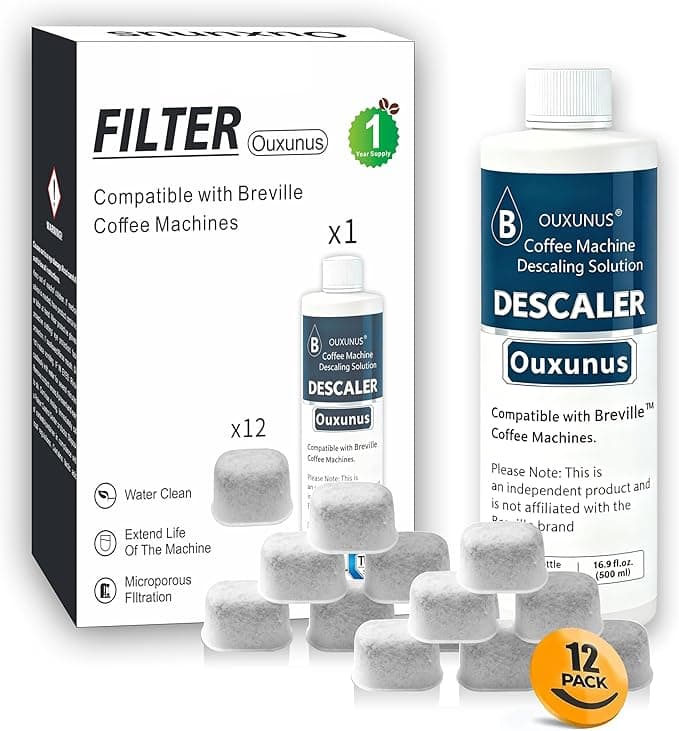
Here's where I was a year ago: standing in my kitchen, holding a four-pack of Breville's own BWF100 charcoal filters in one hand and a generic compatible pack in the other, fully convinced the cheap one was going to gunk up my Barista Express and cost me a $600 machine to save twelve bucks. I'd read the warnings. Scale buildup is the number one reason these espresso machines die, and I wasn't about to roll the dice on some no-name disc of charcoal because I was being cheap.
So I bought both. The OEM pack for the machine I cared about, the compatible pack for a "test" I told myself I'd watch closely. That was four water tanks and a whole lot of mornings ago. I'm now on the compatible filters full time, and I want to walk you through exactly why — including the parts that aren't perfect, because they exist.
The price thing, since that's why you're here
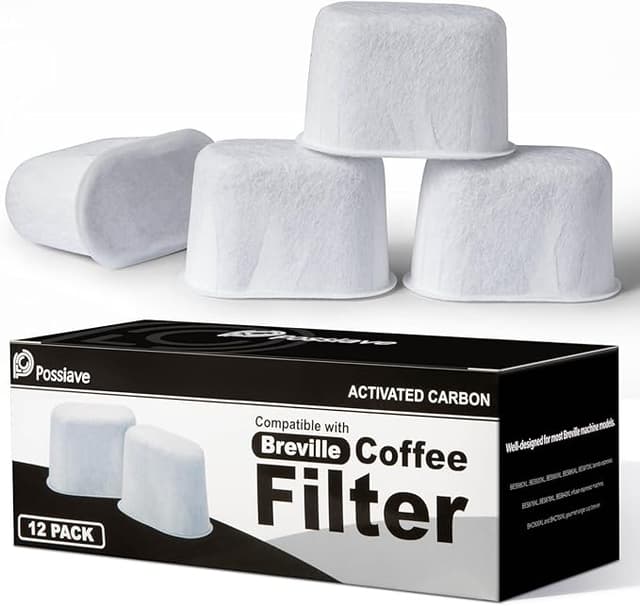
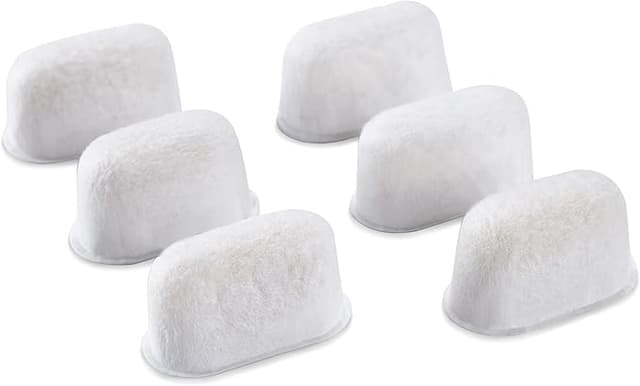
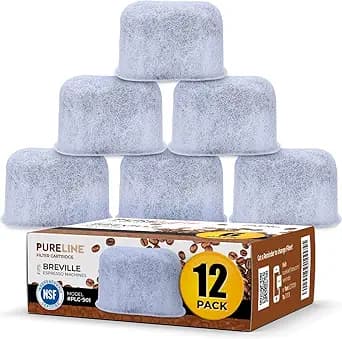
Let me do the math the way I actually did it at the counter. A Breville BWF100 filter wants to be swapped every two months — that's six a year if you follow the instructions, which, honestly, most people don't, but you should. Buy them as Breville-branded and you're paying a real premium per disc for what is, mechanically, a little puck of activated charcoal in a plastic cage. The compatible packs I switched to run roughly half that per filter, sometimes less when they come six or eight to a box.
Over a year that's not life-changing money. But it's the difference between "ugh, I'll skip a change this cycle to stretch the pack" and "I just swap it on schedule because who cares, they're cheap." And that second behavior is the one that actually keeps your machine alive. The expensive filter you don't replace on time protects nothing.
Does it actually fit?
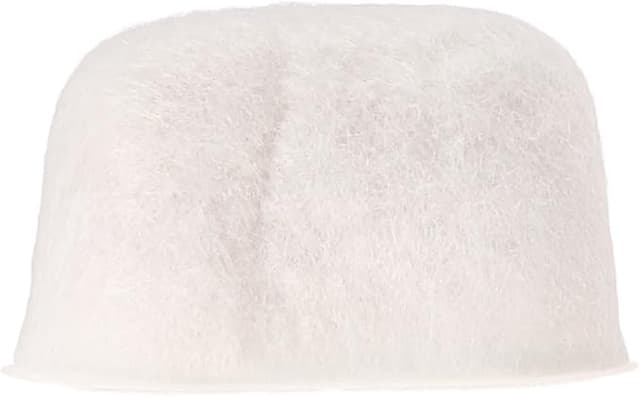
This was my real fear. Coffee machine water filters live in a tight little holder inside the tank, and a millimeter of wrong means it either won't seat or it bypasses and filters nothing. So — the install. You soak the filter in a cup of water for five minutes first (this isn't optional, dry charcoal floats and won't draw water through evenly), then it presses into the filter holder, and the holder clicks into the base of the water tank.
On the compatible discs I've used, the fit into the holder is good. Snug. There's a real click when the holder seats back in the tank. Now — full honesty — the frame on the cheaper ones is a hair less precise than Breville's. On one brand the disc went in with a tiny bit more thumb pressure than the OEM, and the molding seam was rougher to the touch. It seated fine and held fine. But if you're the type who notices that the plastic doesn't feel as "finished," you'll notice. It does not affect whether it works.
How it actually performs in the cup
The job of this filter is simple and unglamorous: pull chlorine and the off-tastes out of your tap water, and cut down the scale-forming minerals before they bake onto your boiler. I notice the chlorine difference immediately — first brew off a fresh compatible filter, that faint pool-water edge my tap water has is just gone. Espresso tastes cleaner, the crema looks the same, and my machine's descale light has stayed on its normal lazy schedule, not creeping up early like it would if the filter were doing nothing.
Where's it a touch behind OEM? Two places I'll own up to. First, the very first tank after a swap, I sometimes get a whisper of a flat, slightly papery taste — break-in, basically, the charcoal settling. It's gone by the second tank. Run a tank through and dump it before you brew the good stuff and you'll never taste it. Second, I suspect the charcoal load is a little lighter than Breville's, because toward the end of the two-month window the compatible one feels like it's tiring out a hair sooner. The fix is just... change it on time. Which the price already encourages.
The genuine downside
Quality control across the cheaper packs is not perfectly even. Out of one eight-pack I had a single disc with a visibly crooked seam and a touch of charcoal dust loose in the wrapper. It still worked after a good five-minute soak and a rinse, but it wasn't pretty, and with a true OEM filter you basically never see that. So: buy from a seller with a real return policy, eyeball each disc before you soak it, and don't lose sleep — but know that the trade for half the price is the occasional cosmetic dud.
Who should just buy OEM
If your machine is brand new and still inside warranty, and you're the cautious type who doesn't want a manufacturer to have any excuse to wave you off a claim, buy the Breville-branded filters for that window. Same goes if your water is genuinely awful — really hard, high-mineral well water — where I'd want the most consistent charcoal load I can get and would rather not gamble on a light disc.
For everyone else with normal city tap water and a machine that's past its first year? I grab the compatible BWF100 filters. They soak, seat, click, and clean the water that runs through my Barista Express the same way the expensive ones did, for about half the cost, which means I actually change them on schedule instead of stretching them. I didn't trust them either. Four tanks in, I buy them on purpose now — and I'd tell my own brother to do the same.