Troubleshooting & Analysis
Forty bucks for a puck of charcoal
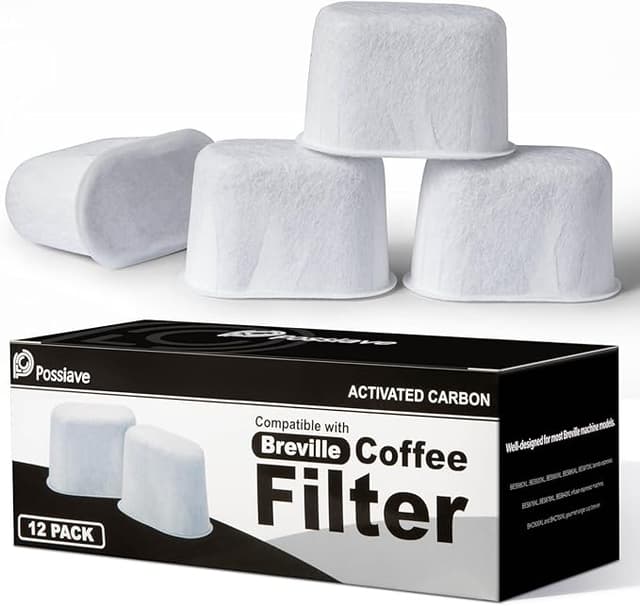
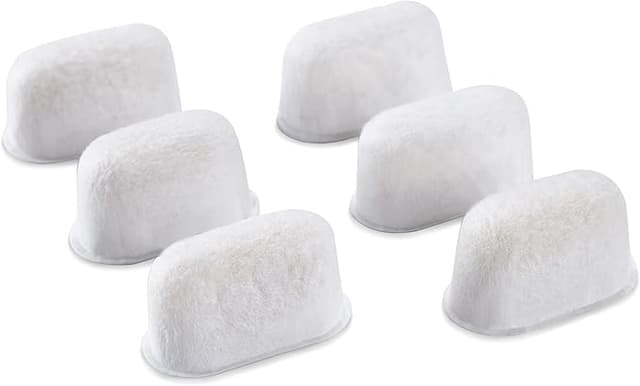
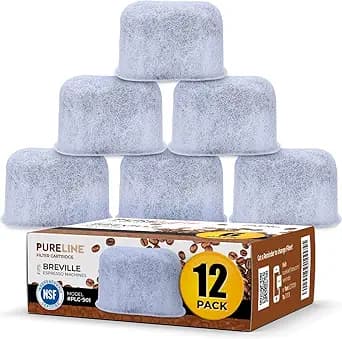
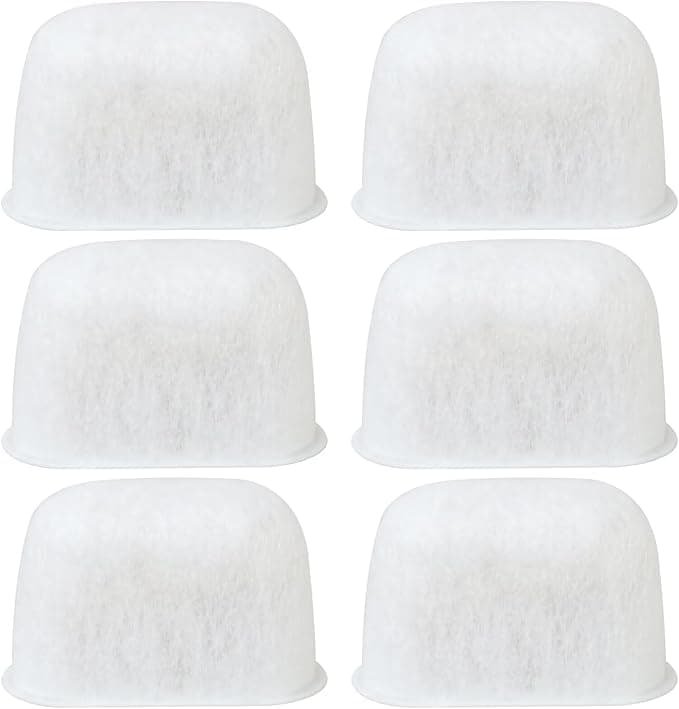
That's what stopped me. A four-pack of Breville's own BWF100 water filters runs close to $40 — and they want you swapping one in every two months. Do that math out loud and it's $120 a year to filter the water that goes into a machine you already paid five or six hundred dollars for. Meanwhile the compatible charcoal filters that fit the same BWF100 slot? I paid right around $14 for a six-pack. Same little disc. Same job. Roughly an eighth of the cost per year.
I didn't believe it either, which is why I bought a pack to test instead of just trusting the listing. I've got a Breville drip machine that takes these, and I've been running the cheap ones for about five months now. Here's the honest version.
The fit — and the one thing that annoyed me
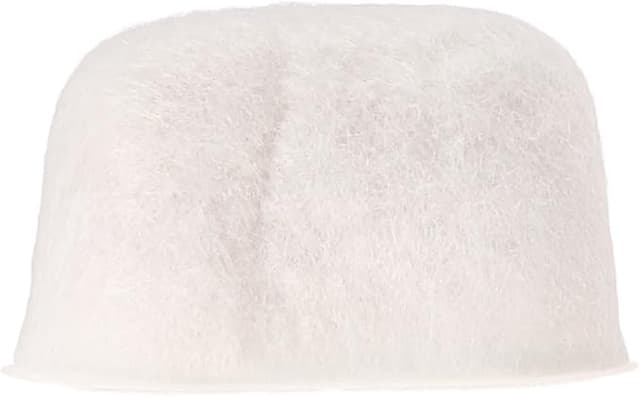
The disc itself drops into the filter holder exactly like the OEM one. Same diameter, same little basket cage. You soak it in a cup of water for five minutes first — that's not optional, by the way, a dry charcoal filter floats and channels water around it instead of through it — then it snaps into the holder, and the holder seats down into the water tank. Click. Done.
The OEM filter I'd been using has a date dial on top so you can twist it to the month you installed it. The compatibles I got? No dial. Just the bare puck. For the first week I kept thinking "wait, when do I change this," because I'd gotten used to glancing at that little wheel. I ended up writing the install date on a sticky note on the side of the machine. Stupid, but it works. If you're the type who lives and dies by that built-in reminder, that's a small thing you're giving up.
The plastic frame on a couple of mine was a hair less crisp than Breville's molding — you can tell the tooling is a notch cheaper. Didn't affect the seat or the seal at all. It just looks a little less finished in your hand. You're not going to be staring at it; it lives submerged in a tank.
Does it actually filter?
This is the part people are nervous about, and fairly so. The whole reason the filter exists is to pull chlorine and scale-causing minerals out of your tap water before they hit the boiler. Skip filtration on a Breville and scale buildup is genuinely the fastest way to kill the machine — limescale chokes the heating element and the pump, and once that happens you're not buying a $14 filter, you're buying a new machine or paying for a descale-and-repair.
So I cared about this. My tap water is moderately hard and tastes faintly of chlorine straight from the faucet. With the compatible charcoal filter in, the water out of the machine tastes clean — that flat chlorine note is gone, and the coffee on top of it is brighter. Side by side against a cup I pulled with an OEM filter in the same machine the week before, I honestly couldn't pick out a difference in the cup. Both smoothed out the same harshness. Both made the espresso taste like the beans instead of the water.
Where I'll be straight with you: I can't run a lab assay on chlorine ppm at home, so I'm going on taste and on what the descale light tells me over time. Five months in, no premature scale warnings, no funk, no weird aftertaste. The charcoal does what charcoal does.
The real downside
The first filter I installed had a faint carbon taste on the very first tank — like the first sip of water from a brand-new Brita. Not bad, not chemical, just... present. It cleared completely by the second tank. If you're picky, run a tank of plain water through before you pull your first real shot and you'll never notice it. The OEM ones do this slightly less, I'll give them that. Marginally better rinsed at the factory, maybe. By day two it's a non-issue either way.
The other thing: these don't have that twist dial, so the two-month replacement schedule is on you to track. Set a phone reminder. Two months is two months whether the filter cost forty dollars or two — a saturated filter stops adsorbing and just becomes a wet sponge sitting in your tank, and then the minerals sail right through to the boiler. Cheap filters don't give you permission to forget about them.
Who should just buy the Breville one
If you're still under warranty and you're the cautious type who doesn't want a service tech raising an eyebrow at a third-party part, buy OEM and sleep easy — it's your call and the peace it buys is worth something to some people. Same if you genuinely use that date dial and know you'd forget otherwise.
For everyone else: this is one of the easier swaps I've made. It's a passive disc of charcoal sitting in a water tank — there's not much for a third party to get wrong, and in five months of daily coffee mine hasn't. I'm paying roughly $14 a year instead of $120 for water that tastes the same and protects the machine the same.
I bought a second six-pack last month so I'd stop thinking about it. That's about the highest compliment I give a replacement part — when I quietly restock it without a second thought. The cheap one's fine. I'd buy it again, and I did.