Troubleshooting & Analysis
The week my espresso tasted like a swimming pool
I knew something was wrong before I even tasted it. The shot pulled cloudy. Not the good kind of crema-cloudy — a dull, grayish cloud, like dishwater. I'd been pushing the same little charcoal filter in my Breville BWF100 way past its shelf life because I kept forgetting to swap it, and the machine finally told on me. First sip was flat and faintly chemical, almost chlorinated, like I was drinking straight from the tap on a bad water day. That was the morning I pulled the tank, fished out the old filter, and found it had gone slimy and dark at the edges. Two months my foot — I'd run that thing closer to five.
So I'm the wrong person to lecture anyone about staying on schedule. But I am the right person to tell you what happens when you don't, and what the cheap replacement actually does once you finally cave and put a fresh one in.
The price gap nobody talks about
Here's the math that made me start buying compatible. A genuine Breville-branded BWF100 filter runs me about $13 to $16 for a pack of two, depending on where I grab them and whether shipping gouges me. Sounds cheap until you remember the replacement interval is every two months. That's six filters a year if you're honest about it — call it $40 to $48 annually just on little hockey-puck water filters for a coffee machine you already paid a few hundred bucks for.
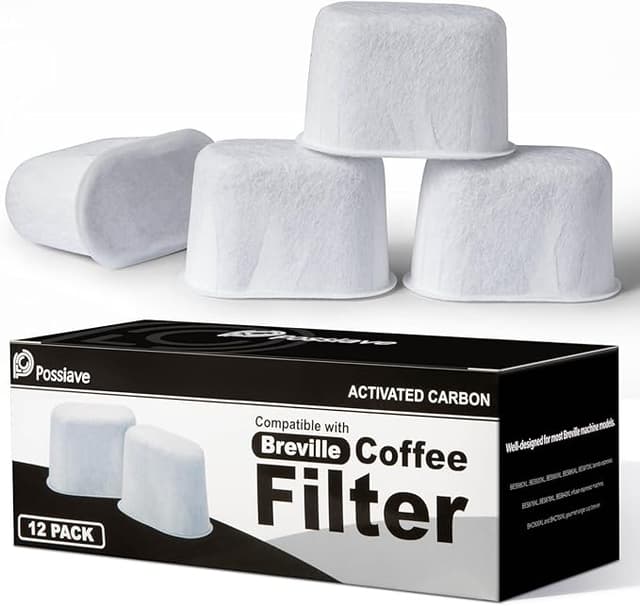
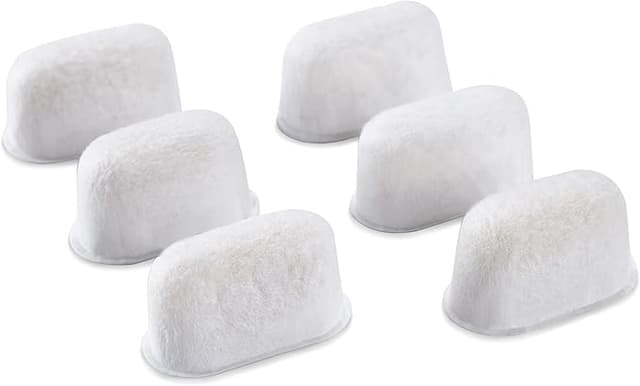
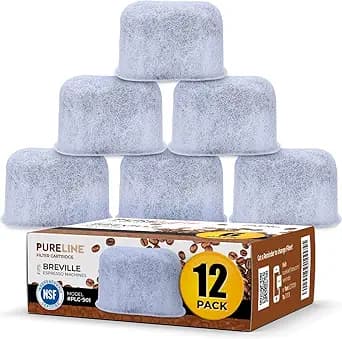
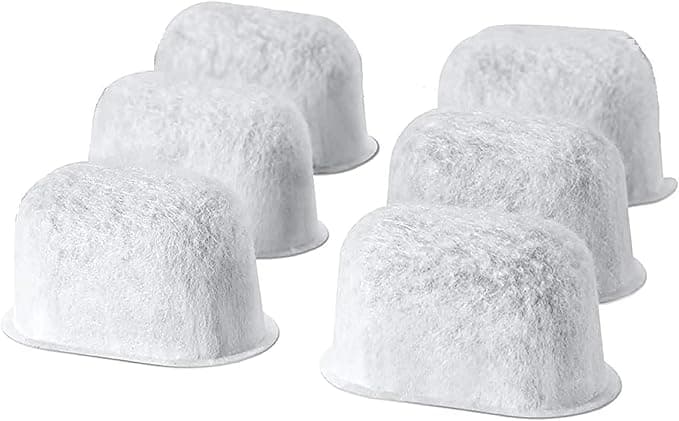
The compatible charcoal filters I switched to? I paid $11 for a six-pack. Do that math. That's a full year of filtration for less than the price of one OEM two-pack. I sat there for a second genuinely annoyed that I'd been paying the brand tax for two years.
And look — I didn't trust it at first either. A buck-eighty per filter sets off every "you get what you pay for" alarm in your head. So I did the thing I do with all of these: I bought one pack, ran it, and watched.
Does it actually fit?
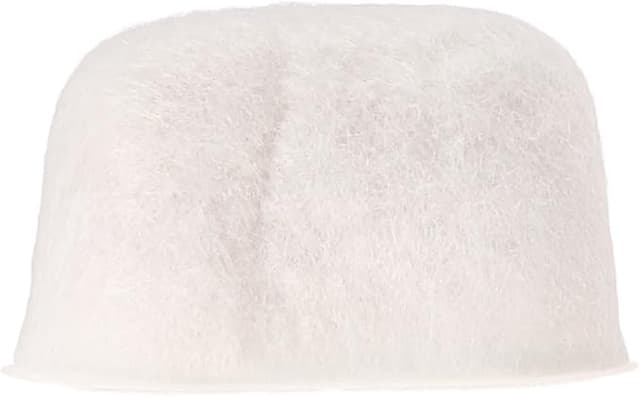
This is where compatible filters usually fall apart, so it's the first thing I check. The BWF100 sits in a little holder that drops into the water tank, and the fit has to be snug or you get water sneaking around the filter instead of through it. I soaked the new one for the full five minutes first — you have to, the charcoal needs to wet through or it floats and does nothing — then pressed it into the holder.
It seated. There's a slight resistance when it goes in right, almost a soft click of the housing closing over it, and I got that. The compatible one was maybe a hair less rigid in the plastic than the Breville original, the kind of thing you'd only notice if you held both in the same hand, which I did. But in the tank? Identical. No rattle, no float, no gap. I've now run probably eight or nine of these through the same machine and not one has fit loose.
The honest performance take
Side by side, blind, I genuinely cannot taste a difference between the compatible charcoal and the OEM in the cup. The whole job of this filter is pulling chlorine and the off-flavors out of your tap water and keeping scale from caking up inside the boiler — and the cheap one does that. My next morning's shot after the swap was clean again, that flat chlorine note gone, crema back to a proper hazelnut color.
Where it's a touch behind: longevity, maybe. I get the sense the OEM holds up a few days longer at the tail end before the taste starts to slip. Hard to prove, and honestly irrelevant — at six-for-$11 I'm swapping them on time now instead of stretching one to its breaking point, which is the whole reason I got into trouble in the first place.
The real downside
I'm not going to pretend it's flawless. The first day or two with a fresh compatible filter, I get a faint carbon taste — a slightly dusty, charcoal edge on the water. It's mild and it clears after you've run a tank or two through, and the OEM does this a little too, but the compatible one is a notch more noticeable on day one. If you swap a filter at night and pull your first shot of the morning, you might catch it. Run a tank of plain water through after install and you skip most of it.
The packaging's also nothing to write home about — a thin plastic sleeve, no fancy individual wrapping. Doesn't affect the filter. Just don't expect it to feel premium when it shows up.
Why a dead filter is actually a problem
Back to my swimming-pool espresso. The taste was the warning sign, but the real damage from a clogged or expired filter is what you can't see. Scale buildup is the number one killer of these Breville machines — mineral crust forming inside the boiler and lines, slowly choking flow and eventually killing the unit. The filter is the cheap insurance against an expensive repair. Letting it die isn't just a flavor problem; it's how a $400 machine becomes a paperweight. That five-month-old slimy puck I pulled out wasn't filtering anything anymore — it was just sitting there while my tap water did whatever it wanted to the inside of my machine.
Who should buy OEM — and what I actually do
If your machine is brand new and still under warranty, and you're the type who reads the fine print, buy the Breville-branded filter and don't think twice — keep everything factory so there's zero argument if you ever need to make a claim. That's the one honest case for paying more.
For everyone else, including me with a machine well past its warranty: I grab the compatible six-pack. Same fit, same clean cup, a third of the annual cost, and — this is the real win — cheap enough that I actually replace them on the two-month schedule instead of running one into the ground. Forty bucks saved a year, a machine that's not slowly scaling itself to death, and coffee that doesn't taste like a pool deck. I've bought them four times now. I'll buy them again next month.