Troubleshooting & Analysis
The first thing I noticed was the smell of wet charcoal
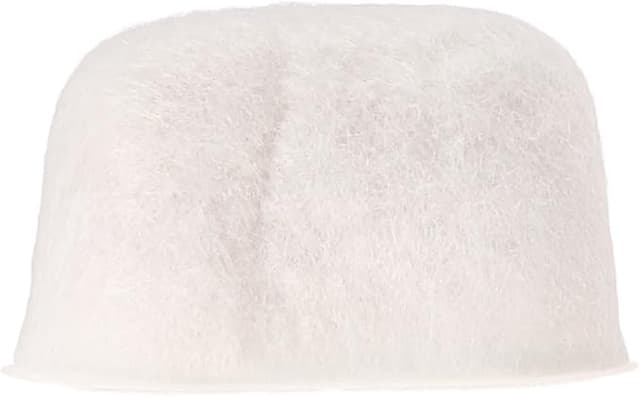
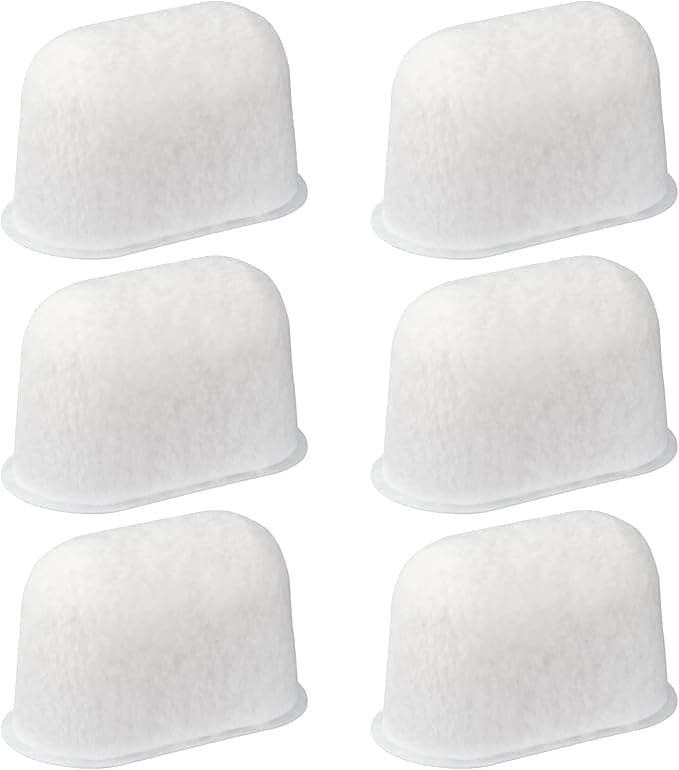
Soak one of these for five minutes like the instructions say, and right around minute three the water goes faintly gray and you get this damp, mineral, just-opened-a-Brita smell. That was my first real signal the compatible BWF100 filter was actually doing charcoal things and not just sitting there being a plastic plug. I'd been suspicious. I'd paid the Breville tax for two years before I ever tried a third-party one.
So here's where I landed after running these in my Barista Express for the better part of a year.
The price gap is the whole reason you're here
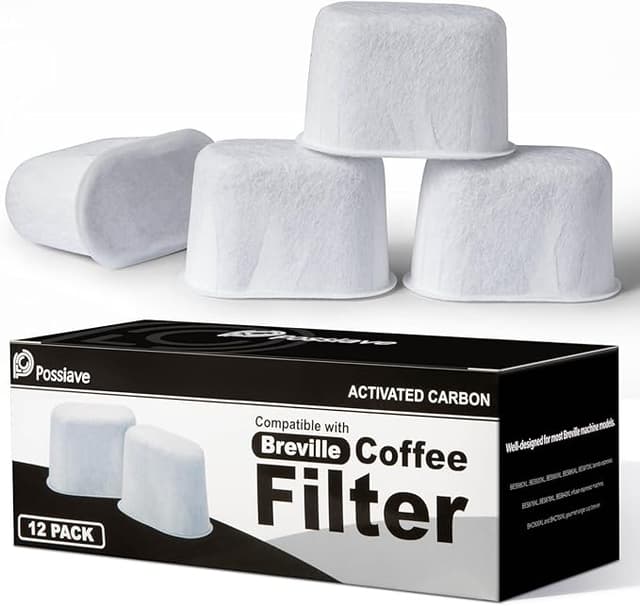
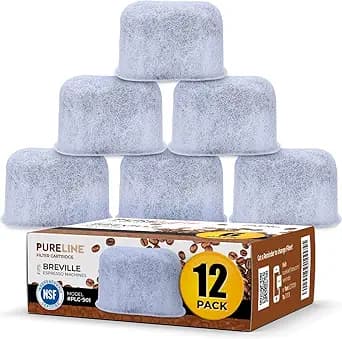
Breville's own BWF100 filters come in a 2-pack, and depending on the week I've seen them between $14 and $16. That's roughly $7 a filter. You're told to swap every two months, so call it six filters a year — about $42 if you buy OEM and actually keep up with it.
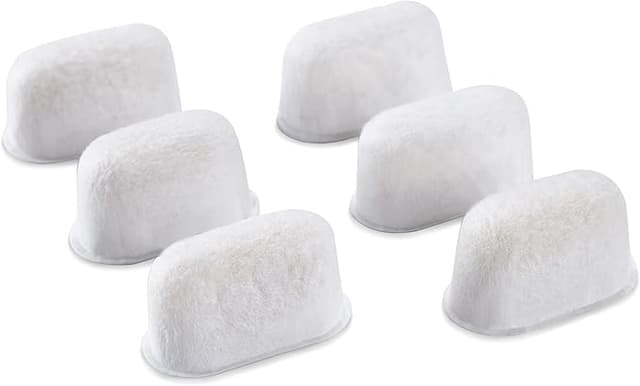
The compatible packs I've been buying run around $13 for six filters. Same two-month interval, so that's a full year of filtration for the price of two OEM ones. Roughly $13 a year versus $42. I did that math standing in my kitchen and felt a little dumb for all the years I didn't.
Is the cheap stuff secretly fine? For this part — a passive charcoal puck that softens your tank water — mostly yes. But not in every way, and I'll get to the part that annoyed me.
Fit and install: it seats, but you'll feel the difference
The routine is simple and the off-brand ones follow it fine. Soak five minutes, push the filter into its little holder, drop the holder into the bottom of the water tank, set your reminder. On my machine the holder clicks down and the filter sits where it should.
Here's the honest fit note, though. The OEM filter snaps into the holder with this confident, slightly tight grip. A couple of the compatible ones had a frame that was a hair loose — close, but I could wiggle it where the Breville one wouldn't budge. It still held position in the tank and never floated up or rattled during a brew. But if you're the kind of person who needs a part to feel locked in, that tiny bit of play will bug you the first time. It stopped bugging me by the second swap.
What it actually does to the coffee and the machine
The point of this filter isn't flavor magic, it's scale. Hard tap water leaves mineral buildup inside the boiler and the lines, and scale is the thing that quietly kills these machines — clogged paths, weak pressure, eventually a descale light that never goes away. A working charcoal filter pulls chlorine and some of the junk out before the water ever hits the heating element. Less scale, fewer descale cycles, a machine that lasts.
Did the compatible filter keep up? In my kitchen, yes. I'm on moderately hard water, and over a year of these I wasn't descaling any more often than I did on the genuine filters. My shots tasted the same — clean, no chlorine edge, no weird off-note. If a third-party filter were under-filtering, I'd expect a flatter or slightly chemical cup, and I never got one.
Where OEM has a real edge: consistency from filter to filter. Every Breville filter felt identical out of the bag. With the cheaper six-pack, one out of the six had that looser frame and one had a packaging that was, frankly, garbage — a thin plastic sleeve that had half torn in transit. The filter inside was fine. The presentation told me exactly how much they spent on it.
The downside I won't pretend isn't there
Two-day plastic smell. The first filter I installed gave the water tank a faint new-plastic odor for about the first two days of use. Not in the coffee — I checked, the espresso tasted clean — but if you stuck your nose in the tank you'd catch it. It faded completely by day three and didn't come back on later swaps once I started giving each new filter a longer cold rinse before installing. Annoying the first time. A non-issue once you know to expect it.
And look — that QC scatter is real. One loose frame, one beat-up wrapper out of six. With OEM you pay double and you basically never see that. You're trading a few bucks for a little inconsistency you have to shrug off.
Who should just buy the Breville filter
If your machine is brand new and still under warranty, and you're the type who'd blame any hiccup on the off-brand part, buy OEM for the first year. Not because the compatible one will hurt anything — it won't, it's a passive charcoal puck in your water tank, there's no firmware to confuse and nothing touching the espresso path it can damage. Buy OEM so you never have that doubt in the back of your head. The genuine 2-pack is cheap enough that the certainty is worth it for some people.
What I actually do
I buy the compatible six-pack. I've run them through a year of near-daily espresso, my descale interval didn't budge, my coffee tastes right, and I'm spending about $13 a year instead of $42. The loose frame on one and the cheap wrapper on another didn't change what the filter did once it was in the tank.
Give each new one a real soak, expect a faint plastic note for a day or two, set your two-month reminder so you don't forget — that last part matters more than the brand, because a filter you never change is worse than a cheap one you do. For the money it saves doing the exact same job, I'd buy these again. I already have, three packs in.