Troubleshooting & Analysis
Standing at the kitchen counter with two boxes
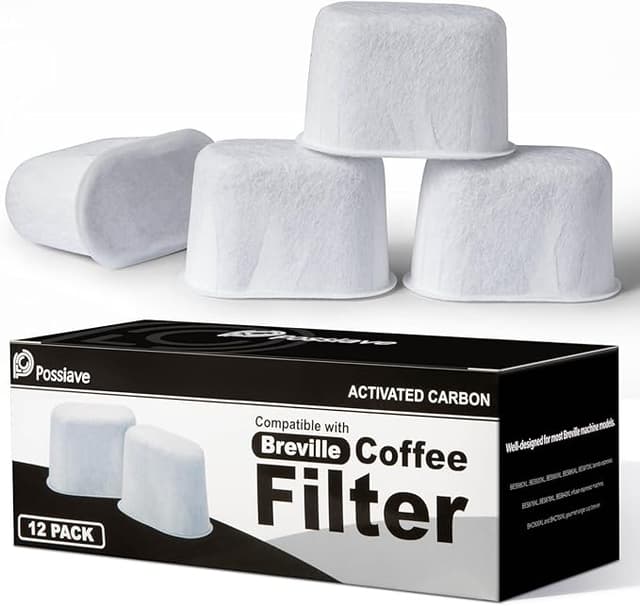
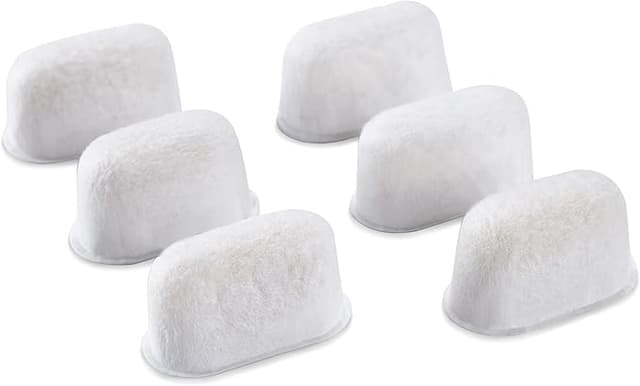
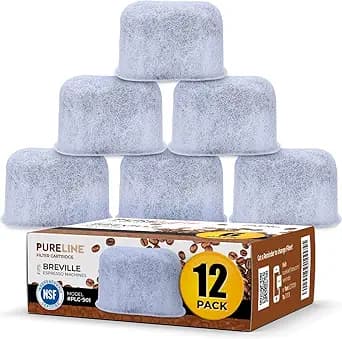
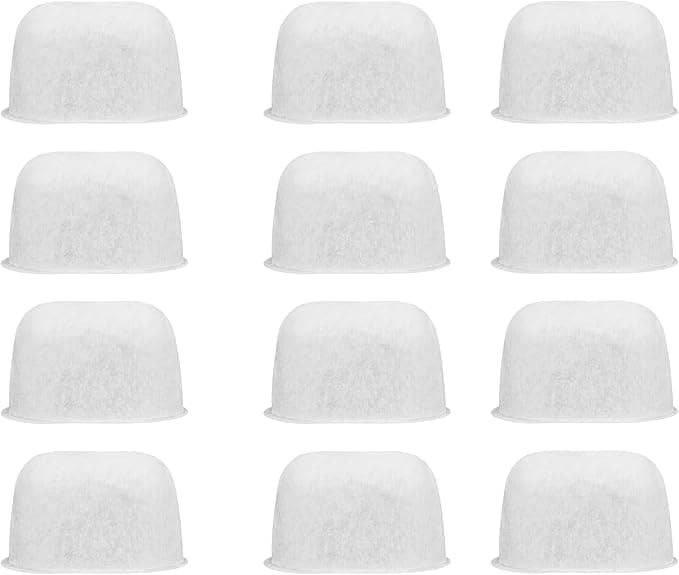
It was a Sunday, my Barista Express throwing that little "replace water filter" reminder again, and I had two boxes on the counter. Genuine Breville BWF100 filters — six of them for about twenty-four bucks. And a no-name compatible twelve-pack I'd grabbed for around fifteen. Same hexagonal puck. Same charcoal fill. One cost me four dollars a filter, the other barely a dollar twenty-five. I stood there feeling like an idiot for even hesitating, but I hesitated. Because this machine cost me six hundred dollars and the internet is full of people swearing the cheap filters scale up your boiler and kill it early.
So I did the dumb thing on purpose. I ran the compatible ones for a full year — six of them, swapped every two months like the instructions say — and kept the OEM box as a control. Here's what actually happened.
The money, because that's why you're here
Genuine Breville runs me roughly $4 a filter. The compatible pack I've been buying works out to about $1.25 each. On the recommended two-month swap, that's six filters a year. Call it $24 a year for the real ones, under $10 for these. Ten dollars. Across the three or four years a machine like this lasts, that's the price of a decent bag of beans every year versus a single espresso. Not life-changing money. But it's also not nothing, and I hate paying a premium for what is, at the end of the day, a chunk of carbon in a plastic basket.
Does it actually fit the holder?
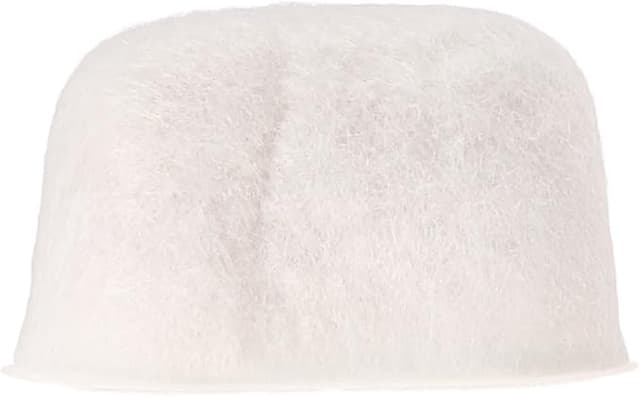
Mostly, yes. The fit is the part everyone worries about and the part that matters. You soak the filter in a cup of water for five minutes first — and do not skip this, dry charcoal floats and won't sit right. Then it clicks into the little holder, and the holder presses down into the bottom of the water tank.
The OEM puck seats with a clean, snug snap. The compatible one I've been using sits a hair looser in the holder — there's the faintest wiggle before you push it home. The first time I felt that wiggle I assumed it'd leak around the edges or let unfiltered water sneak past. It didn't. Once it's pressed into the tank seat, the tank's own geometry holds it firm. But I'll be honest: that looser tolerance is real, and on one filter out of the twelve the tab was molded slightly off so it took two tries to clip in. Annoying for ten seconds. Then fine.
The downside nobody warns you about
The first rinse runs gray. Genuinely gray. The compatible filters shed a little more carbon dust on that initial soak than the Breville ones do — the water in the soaking cup came out looking like weak coffee before I'd even made coffee. You're meant to rinse a filter anyway, but with these I run a full tank of plain water through and dump it before I trust the first real shot. With the OEM filters I could get away with a quicker rinse. So budget an extra two minutes the day you swap.
There's also a faint plastic smell off the packaging for the first day or so — cheap poly bag, the kind that's been sealed in a warehouse. The filter itself doesn't carry it once it's soaked, but the box isn't winning any awards.
How the coffee actually tastes
This is the test that counts, and I'm a little annoyed to report there's no difference I can taste. I live in a hard-water area — our tap leaves white crust on everything — and the whole point of this filter is pulling chlorine and softening what hits the boiler so scale doesn't build up and so your espresso doesn't taste like a swimming pool. Side by side, a shot pulled through the compatible filter and one through the genuine BWF100, I could not pick them apart. Same crema, same clean finish, no chlorine edge.
More telling: I pulled the boiler element side-panel after a year on these and checked for scale. There was light buildup, the normal amount you'd expect with any filter on hard water, nothing that made me wince. The filter was doing its job. A saturated, neglected filter is the actual danger here — that's when scale walks straight into your boiler and starts the slow death these machines are famous for. The cheap filter prevents that exactly as well as the dear one, provided you actually swap it on schedule. Two months. Set a phone reminder; the machine's own light lies depending on how much you brew.
Who should skip these
If you're still inside your Breville warranty window and you're the type who'd lose sleep over a claim getting denied on a technicality, buy the genuine BWF100 and stop reading. It's four dollars. Your peace of — your sanity is worth four dollars. Same goes if a slightly looser clip and a grayer first rinse would genuinely bother you every single time.
For everyone else: I've run the compatible filters for a year, checked the boiler with my own eyes, tasted shots blind, and I keep reordering them. The fit is a touch sloppier, the first rinse is messier, the box is cheap. And they protect the machine and the coffee just as well for a fraction of the price. I'd buy them again — I just did, last month, another twelve-pack. That's the most honest endorsement I've got.