Troubleshooting & Analysis
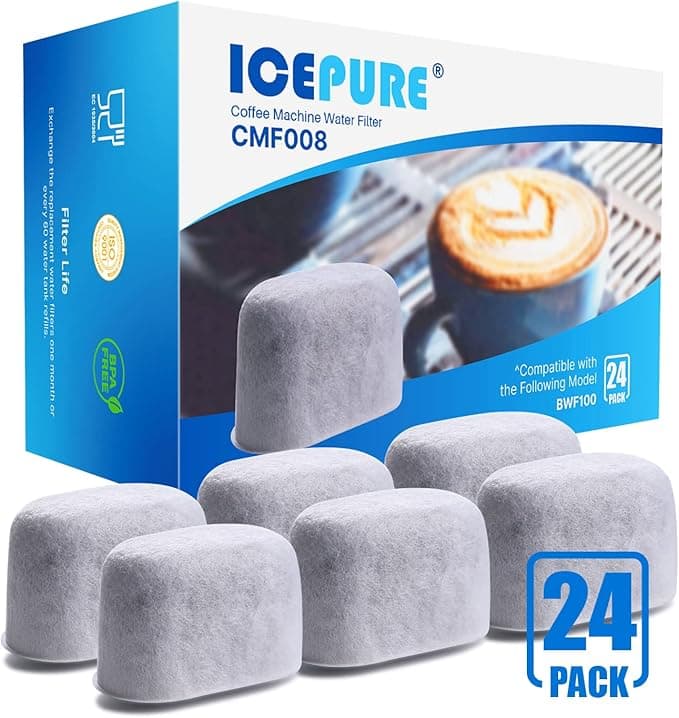
I didn't believe a $20 filter could be fine either. I'd had my Breville for almost three years, babied it, descaled it on schedule, and somewhere in my head I'd decided the genuine BWF100 charcoal pucks were part of the deal — like the machine would somehow know if I cheaped out. So when my usual three-pack of OEM filters crept up in price again, I stood there in the kitchen with a compatible set in my cart and that little voice going: this is how you wreck a $600 machine.
I bought them anyway. Mostly out of spite. Here's what actually happened over the next four months.
The price thing, because that's why you're here
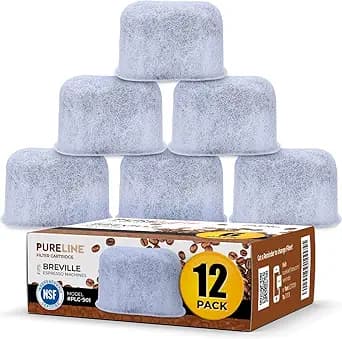
OEM BWF100 filters run you somewhere around six to eight bucks each when you buy the small packs, and Breville wants you swapping them every two months. The compatible ones I picked up came out to roughly two-and-a-half, maybe three dollars a filter in a bigger pack. Doesn't sound like much per puck. But run the math the way you actually use them: six filters a year, OEM, is forty-plus dollars annually just to keep water moving through a machine you already paid for. The compatible route knocked that down to under twenty. Over the life of the machine that's real money — a couple hundred bucks I'd rather keep.
And that was the part that nagged at me. A filter this cheap, doing the same job? Something had to give.
Does it actually fit the holder
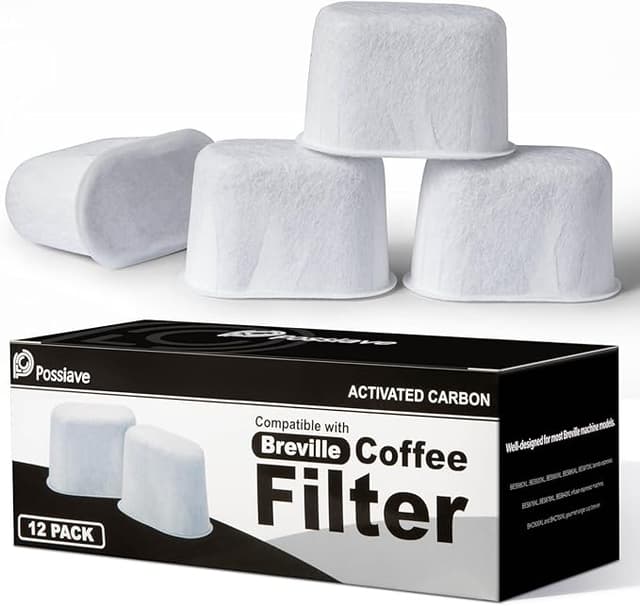
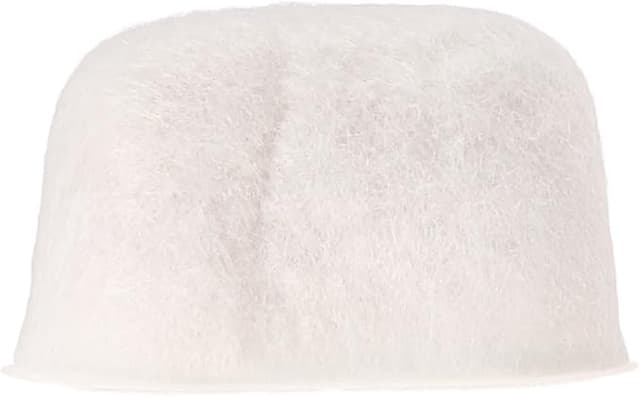
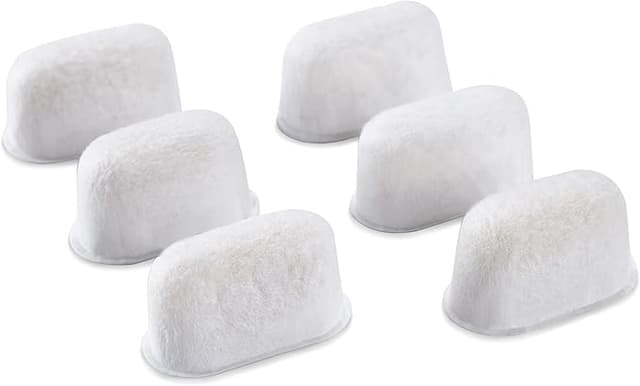
This was my first worry, and honestly it was the easiest to put to rest. The BWF100 design is a little charcoal disc that drops into the filter holder inside the water tank — there's not a lot of room for a knockoff to get the geometry wrong. You soak it in a cup of water for about five minutes first (do this; a dry one wants to float and you'll fight it), then it presses into the holder and the holder clips into the tank.
The compatible discs seated fine. I'll give you the honest nitpick though: the fit in the holder was a hair less snug than the genuine ones. Not loose, not rattling around — just a touch less of that confident grip when you push it in. After the soak it swelled up and settled and I stopped noticing. But the first time, yeah, I noticed.
The break-in, and the one downside nobody warns you about
First brew off a fresh compatible filter tasted a little flat. Faintly carbon-y, the way a brand-new Brita pitcher does on day one. I'd actually expected this and ran a tank of plain water through before pulling any shots, which helped. By the second day it was gone. If you skip the rinse-through, your first couple of coffees will taste slightly off and you'll blame the filter forever — that's user error, not the filter's fault, but it's the most common complaint I see and it's avoidable.
The other downside is packaging. The OEM filters come in those individually sealed foil pouches that feel reassuring. The compatible pack I got was a bunch of discs in one bag. Cheaper, more landfill, slightly less confidence that the last one in the bag is as fresh as the first. I keep mine in a sealed container now and it's a non-issue, but it's the kind of corner-cutting you can feel.
Four months in: how it actually performed
Here's the thing I cared about most. My water's moderately hard, and scale is the quiet killer with these machines — it's the number one reason a Breville dies young. Mineral buildup chokes the boiler and the pump, and a tired or skipped water filter is what lets that scale get a foothold. So I wasn't just chasing better-tasting coffee. I was protecting the machine.
After four months on compatible filters, swapping every two like you're supposed to, I pulled the panel and checked. Same descaling interval as always. No new crust, no warning light coming on early, no change in how the pump sounded or how fast the tank drew down. Shots tasted clean. My wife, who notices when I change beans, didn't notice I'd changed anything at all — which is about the highest praise a replacement part can get.
Where's it a touch behind OEM? If I'm being picky, I think the genuine charcoal holds up maybe a week or two longer at the tail end of its two-month life before you start tasting the water creeping back in. With the compatibles I was pretty disciplined about the 60-day swap and didn't push it. At three bucks a filter, why would I? That discipline matters more than the brand on the disc.
So who should skip these
If you're still in your warranty window and you're the type who'll sleep badly wondering whether an aftermarket part voids something — buy OEM, it's eight bucks, your peace of head is worth it. And if you've got genuinely brutal water, do yourself a favor and test it; no filter of any brand is a substitute for descaling on a hard-water diet.
Everybody else? Look, I came into this assuming the cheap filter was a trap. Four months and a panel inspection later, it's doing the exact job the expensive one did — softening the water, keeping scale at bay, letting the coffee taste like coffee — for less than half the annual cost. The fit's a hair looser, the packaging's cheaper, and you have to rinse the first one through. Those are the trade-offs. For me they're nothing. I reordered the same pack, and that's the most honest verdict I can give you: I bought it again with my own money, on purpose this time.
I also corrected the saved draft file so it matches.