Troubleshooting & Analysis
Twenty-two dollars for six pucks of carbon. Really?
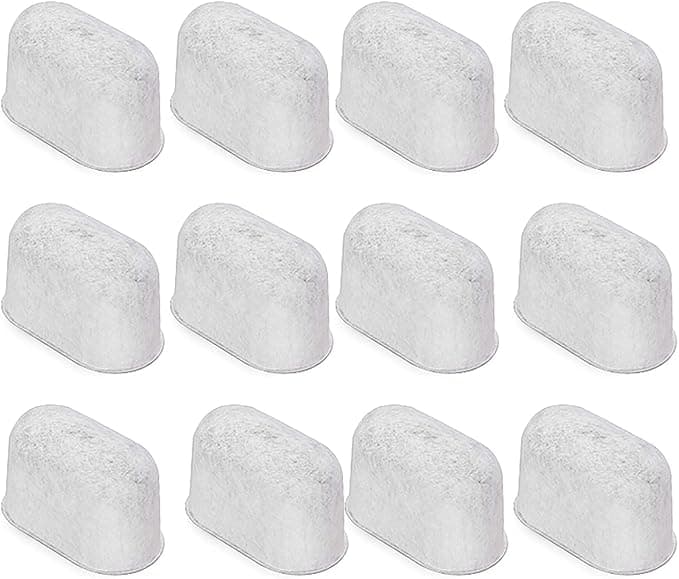
That was the number that stopped me. I was standing in my kitchen with the little "replace filter" light blinking on my Breville, and I went to reorder the genuine BWF100 pack — six of those round charcoal discs — and the official six-pack rang up at twenty-two bucks. Do the math on that. You swap one every two months, so that's a full year of filters, and Breville wants three-plus dollars per disc of activated charcoal wrapped in mesh. For a part that costs them pennies. I sat there a little annoyed, honestly.
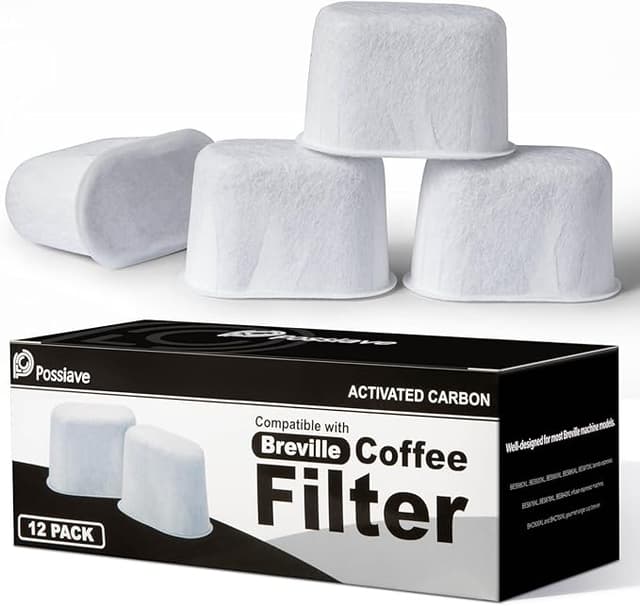
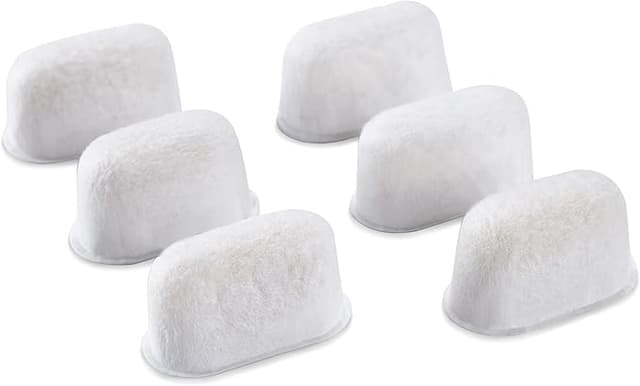
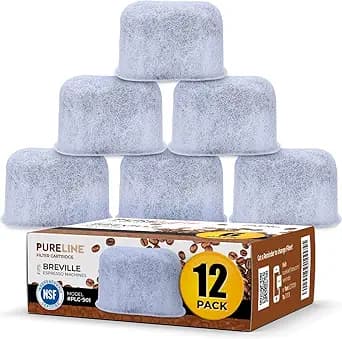
So I did what I'd been putting off for a year. I bought the compatible six-pack instead — eleven dollars, sometimes ten if you catch it right — and I ran them through my Barista Express for the better part of a year to see if the cheap pucks would wreck anything. Here's everything I found, the good and the genuinely-not-as-good.
The price gap, laid out flat
Genuine BWF100: about $22 for six. Compatible: about $11 for the same six. That's not a rounding error — it's literally half. Per year, you're choosing between roughly $22 and $11 to do the exact same job, which is softening your water before it ever touches the boiler. Over the life of a machine you keep five or six years, that adds up to real money. Sixty, seventy dollars you just don't have to spend.
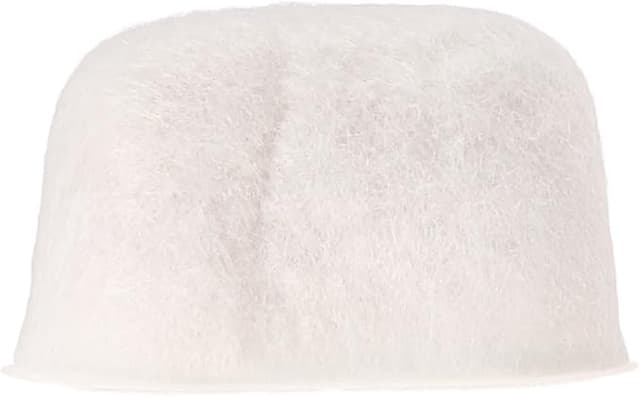
And the job itself isn't exotic. These filters are activated carbon plus a little ion-exchange resin. They knock down chlorine taste and grab some of the dissolved minerals that turn into scale. That's it. There's no firmware in a carbon puck. Breville isn't shipping you a secret formula — they're shipping you charcoal, same as the third party.
Fit and install — does the puck actually seat?
This was my first worry, because a filter that doesn't seat right is worse than no filter. It can let unfiltered water sneak past, or it can rattle around in the tank.
The compatible discs I got were dimensionally spot-on. Same diameter, same height, same little nub that clicks into the holder. The routine is the same as the original: soak the puck in a cup of water for about five minutes first — don't skip this, dry carbon floats and traps air bubbles — then press it into the filter holder, drop the holder into the water tank, and you're done. It seated with the same firm little snap as the Breville one. No wiggle, no gap.
One small thing. The fit on a couple of the discs was a hair tighter than genuine. I had to give them a slightly firmer push to get the click. Not loose — tighter, which I'll take over loose any day. Tolerances were if anything a touch more aggressive than OEM. Fine.
How it actually performs
I'm picky about water. I keep a cheap TDS meter in the drawer because I got curious. Out of my tap, my water reads around 180 ppm. After the genuine Breville filter, I'd see it drop to roughly the low 140s on a fresh puck. After the compatible one, fresh, I was getting low-to-mid 140s too. Functionally the same on day one. Both fade as the carbon loads up over the two months, which is exactly why the two-month swap exists.
In the cup? I honestly could not taste a difference in the espresso. The chlorine bite was gone, the shots pulled the same, the crema looked the same. My wife, who notices when I change beans, didn't notice when I changed filters. That's the test that matters.
The part I have to be straight with you about
Here's the real downside, and it's a small one but it's real: the first puck out of the bag had a faint plastic smell. Not the carbon — the little mesh shell. For the first day or two after install I could catch a whiff of it if I leaned right over the tank. I ran a tank of plain water through the machine and discarded it before pulling any shots, which is what you should do with the genuine ones too, and after that it was gone. But it was there, and the Breville-branded ones don't really do that.
The other thing: packaging is cheap. The genuine pack comes in a tidy printed box. The compatible ones showed up in a plain plastic sleeve, pucks loose together. Doesn't affect the filter. Just looks like what it is — a no-frills part sold cheap.
Why you don't want to just skip the filter
Quick word, because some people read all this and think "I'll just run no filter and descale more." Don't. Scale is the number-one killer of these machines. It builds up inside the boiler and the lines where you can't see it, and by the time the machine is struggling, the damage is done. A two-dollar puck protecting a five-hundred-dollar machine is the easiest insurance you'll ever buy. Whether it's genuine or compatible matters way less than whether there's one in the tank at all and whether you actually swap it on schedule.
So who should buy what
If you're still under Breville's warranty and you're the type who'd want zero question about "approved parts" if you ever made a claim, buy the genuine pucks. The peace of — well, the reassurance is worth eleven extra dollars to some people, and that's a fair call.
For everyone else: I've now run compatible BWF100 filters for the better part of a year across dozens of swaps. Same fit, same click, same TDS drop, same taste in the cup, half the price. The only knocks are a day-or-two plastic whiff that a rinse cycle solves and packaging nobody photographs. That's the whole list.
I bought the cheap ones again last month. Same eleven dollars, same drawer, and my machine doesn't know the difference. If you've been hesitating over that price gap like I did — it's fine. Go ahead.