Troubleshooting & Analysis
The first sign was the taste. My morning espresso from the Breville started coming out flat — a little muddy, a faint mineral edge that wasn't there before. I figured it was the beans. Bought a fresh bag. Same thing. Then I pulled the water tank out one weekend to give it a proper clean and there it was: the BWF100 filter I'd shoved in there back in… honestly, I couldn't even tell you when. Spring? It was the color of weak tea and felt slimy at the edges. I'd been running my machine through that for who knows how long. That's the moment that got me actually paying attention to these little charcoal pucks instead of treating them as an afterthought.
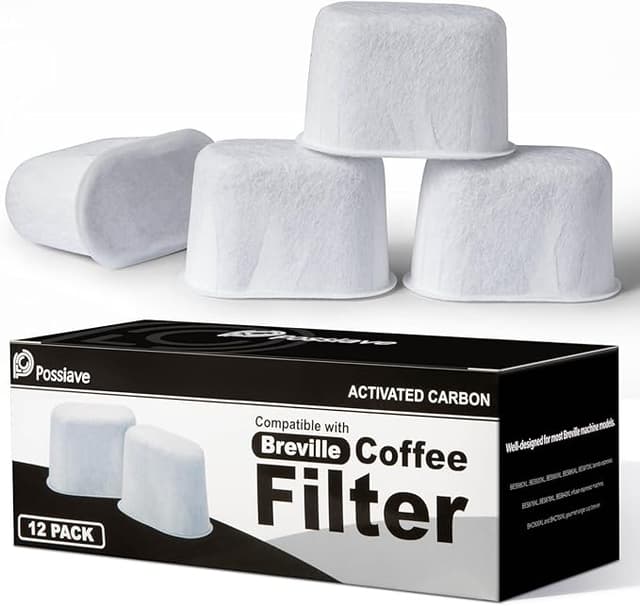
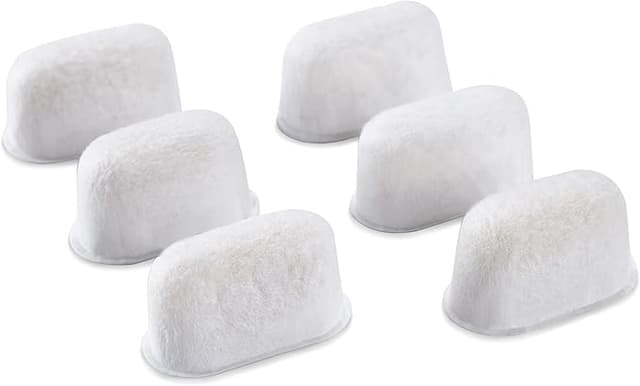
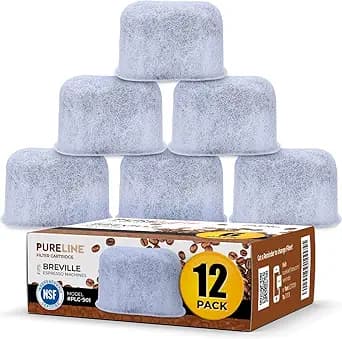
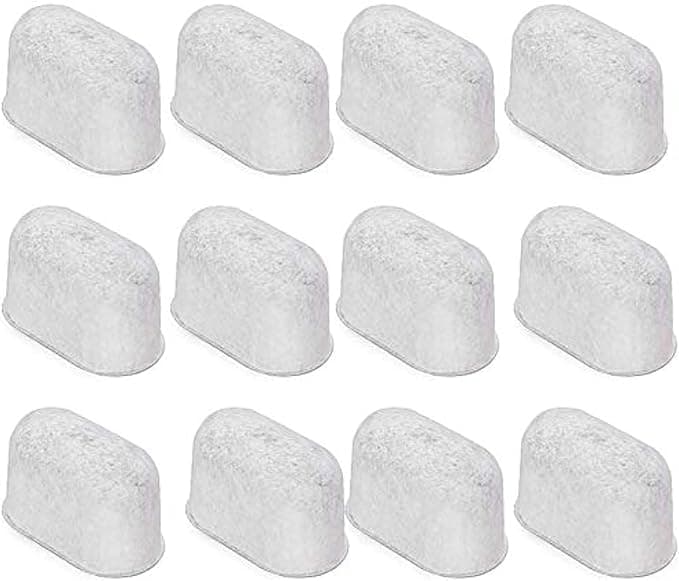
So here's the thing nobody tells you when you drop $600 or $700 on a Breville: the filters are a forever cost, and Breville is happy to keep selling them to you. A genuine BWF100 two-pack runs you somewhere around $16-20 depending on where you grab it, and you're meant to swap it every two months. Do that math out and it's roughly $50-60 a year, every year, just to keep clean water moving through the machine. The compatible charcoal filters I switched to? About $12 for a six-pack. Same cadence — six filters is a full year — so I went from sixty-ish dollars annually to maybe twelve. That's not a rounding error. Over the life of the machine that's real money left in my pocket.
Do they actually fit, or is this one of those "close enough" deals?
This was my worry going in. A water filter that's a millimeter off doesn't seat, water bypasses it, and you've got an expensive paperweight slowly scaling up inside. I'd read enough horror stories. So I was braced for fiddling.
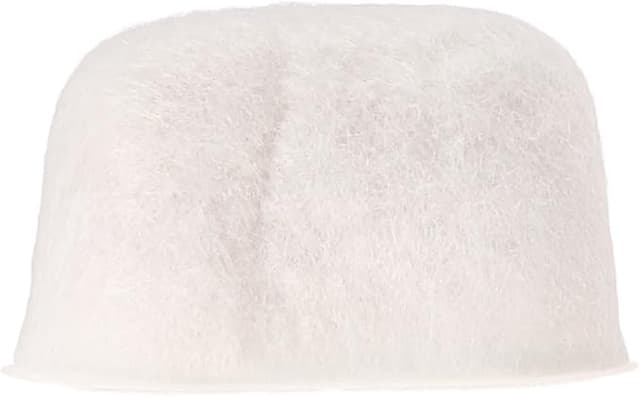
There wasn't much. The routine is the same as OEM: drop the filter in a cup of water and let it soak for about five minutes first — this matters, a dry charcoal filter floats and traps air, and you'll get a weird sputter on your first few pours if you skip it. Once it's soaked it pushes into the holder and the holder clicks into the tank exactly the way the Breville one does. The fit on mine was snug. Not loose, no rattle, no gap where water could sneak past. If I'm being picky, the plastic on the compatible holder clip feels a grade cheaper — a touch more flex when you press it in — but it locked home and it's stayed put through months of pulling the tank in and out.
The honest performance read
Taste came back. That's the headline. Within a day or two of swapping in a fresh compatible filter, the muddiness was gone and my espresso tasted like espresso again — clean, the bean's actual flavor coming through instead of whatever my tap water was dragging in. The whole point of these is carbon filtration knocking down chlorine and the off-flavors that wreck coffee, and on that job I genuinely can't tell the compatible apart from the Breville-branded one. Same clarity in the cup.
Where it's a hair behind: I think the OEM filter holds up a little better right at the tail end of its life. With the compatibles, I started noticing the taste creep back around week seven or eight — right on the edge of that two-month window — whereas the genuine ones felt like they had a few extra days in them. It's marginal. But it's there, and I'd rather tell you than pretend.
The real downside
Here it is, the thing I wish someone had told me: the first filter out of a fresh compatible pack had a faint plastic smell to it. Not the charcoal — the bag it came in. The packaging is bare-bones, just a thin sleeve, nothing like Breville's sealed wrap. I rinsed that first one an extra minute under the tap before soaking it and the smell was gone, never tasted a thing in the cup. But if you just tear it open and slam it in dry, you might catch a whiff on your first brew and think you got a bad batch. You didn't. Give it the rinse. Also — keep the spares somewhere dry. That cheap sleeve isn't going to protect them in a humid cabinet for a year.
Why I stopped ignoring this part
Back to that slimy filter I found. A saturated, expired filter isn't just bad coffee — it stops doing its real job, which is keeping scale and gunk out of the boiler and lines of a machine that cost as much as a used appliance. Limescale buildup is the quiet killer of these Brevilles. By the time you're getting error lights and weak pressure, the damage is done inside. A two-dollar filter swapped on time is the cheapest insurance you'll ever buy on a machine like this. The expensive part isn't the filter. It's what a neglected one does to everything downstream.
So — OEM or compatible?
If you're still inside your warranty window and you're the nervous type who wants zero variables, buy the genuine BWF100. Some warranty fine print likes to point at third-party consumables, and the few extra dollars might be worth not giving them the excuse. Fair.
For everyone else — for me — the compatible charcoal filters are an easy call. They fit snug, the water tastes clean, and they cost roughly a fifth of what Breville charges for the same job. The slightly cheaper plastic and the rinse-first quirk are the whole list of complaints, and neither one touches what ends up in my cup. I've reordered the six-pack twice now. As long as I actually swap them on schedule this time — and after staring at that tea-colored mess, trust me, I set a reminder — I'm not going back to paying OEM prices for a piece of carbon.