Troubleshooting & Analysis
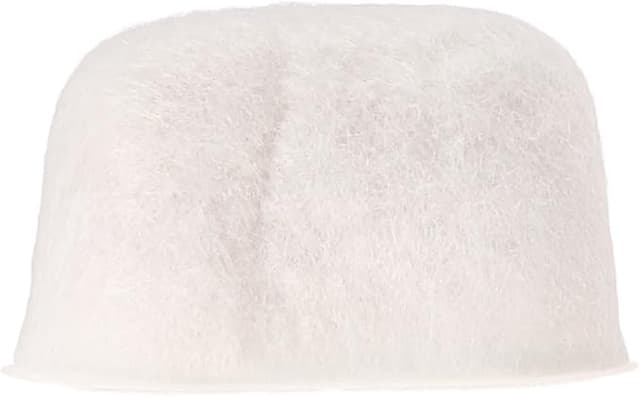
The coffee tasted like a swimming pool. That's the first thing I noticed — a faint chlorine bite riding underneath my morning cup, the kind you don't catch until it's been there a week. My Breville had been pulling fine shots for months, so I blamed the beans, then the water, then my own palate. Took me an embarrassingly long time to pop the lid off the tank and actually look at the little charcoal puck sitting in there. It had gone gray-brown and slimy at the edges, and when I pulled it out it smelled like a wet basement. Two months past due, easy. Probably closer to four.
That filter wasn't cleaning anything anymore. It was a sponge for everything it had already caught, slowly leaking it back into every brew. So — lesson learned the hard way — I started keeping spares on hand. And that's where the math got interesting.
What Breville wants vs. what I actually pay
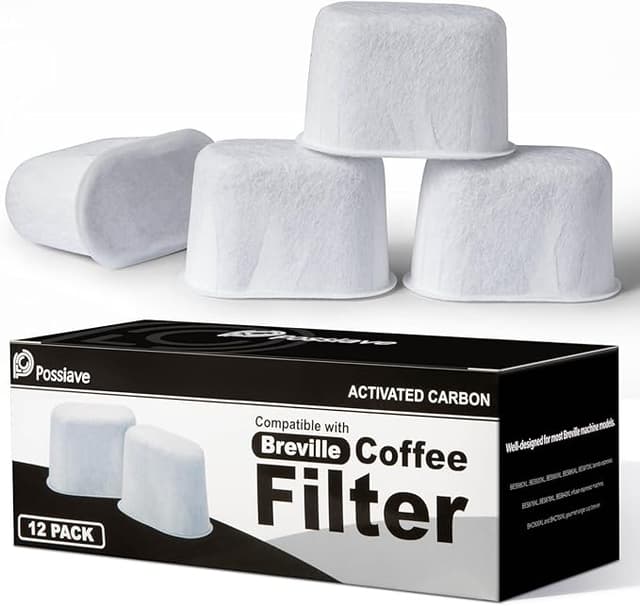
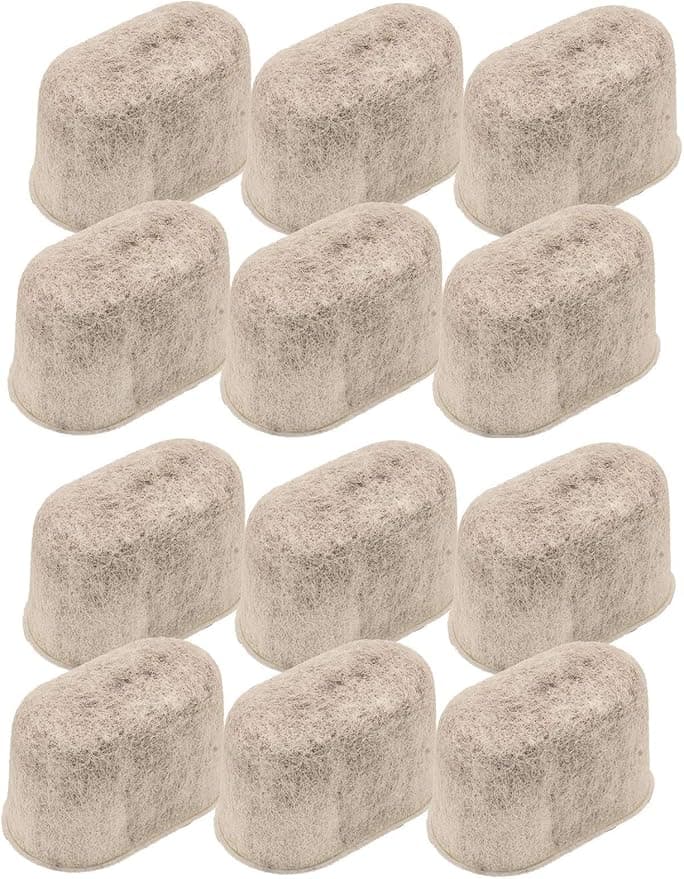
The BWF100 is the charcoal water filter that drops into the tank of a whole family of Breville espresso machines — the Barista line, the Bambino, that crowd. Breville's own packs aren't outrageous, but they're not cheap either, and the thing about these filters is they're a subscription you didn't sign up for. Every two months. Forever. That's six replacements a year, year after year, for a part the size of a bottle cap.
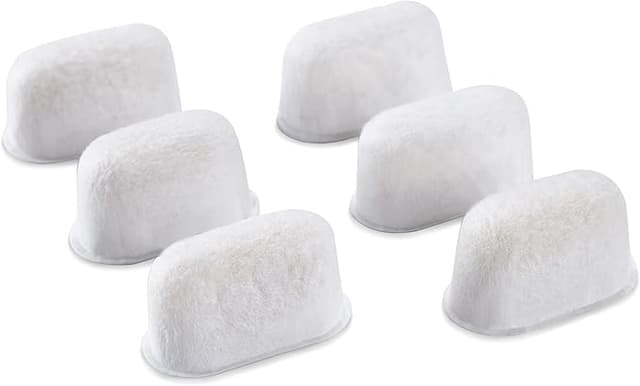
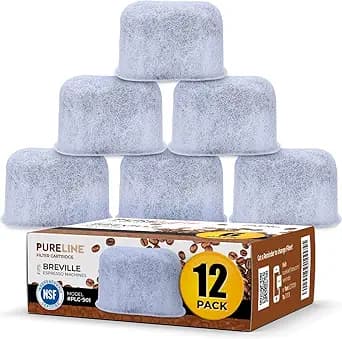
The compatible charcoal filters I switched to run a good bit less per puck — call it roughly half, depending on how many you buy at once. Buy a six-pack and you've covered a full year of swaps for less than two or three OEM ones would've cost me. Over the life of the machine that's real money, not coupon-clipping money. And I want to be clear about what you're paying for here, because it's not magic. It's activated charcoal in a plastic cage. The OEM version is activated charcoal in a slightly nicer plastic cage.
Does it fit? Mostly yes, with one quirk
Fit is the thing everybody's nervous about, and I get it — a filter that doesn't seat right is worse than no filter, because water just routes around it. The compatibles I've used drop into the BWF100 holder and the holder clips into the tank exactly like the original. Same diameter, same little stem. When it seats, you feel the holder snap shut over it.
Here's the quirk, and it's a real one: a couple of the cheaper compatibles I tried sat a hair looser in the cage than the genuine Breville puck. Not loose enough to rattle out, not loose enough to bypass — but enough that I gave the holder an extra press to make sure it clicked. The first brand I bought was fine; the loose one came from a no-name pack I grabbed in a hurry. So shop with a little care. The fit is there, but the tolerance varies between sellers more than it does with OEM.
One thing you can't skip: soak the new filter in a cup of water for about five minutes before it goes in. Activated charcoal traps air, and a dry filter floats and channels water right past itself. Five minutes underwater, the bubbles stop coming off it, then it drops into the holder and into the tank. I run a tank or two through and dump it before I make actual coffee — clears out the loose carbon dust. Thirty seconds to learn that, and it saved me a gritty first cup.
How it actually performs
On the job that matters — taste — I honestly can't tell the compatible from the original in the cup. The chlorine flavor is gone. Water comes through clean and a touch softer. My espresso tastes like espresso again instead of tap. That was the whole point, and the cheaper puck does it.
What these filters are really earning their keep on, though, is scale. Hard water leaves mineral crust inside the boiler and the lines, and that buildup is what kills these machines — clogged paths, weak pressure, a steam wand that sputters. The charcoal softening isn't a full descaler, don't get me wrong; you still need to run Breville's descale cycle on schedule. But a working filter slows the crust way down. A dead one does nothing — which is exactly how I ended up where this story started.
The honest downside
Where the compatible falls a step behind: consistency between units. With genuine Breville, every puck is the same. With the third-party packs, I've had one filter in a batch feel slightly less dense than the others — probably a touch less charcoal packed in. It still worked. I just didn't trust it to go the full two months, so I swapped it early. The packaging is cheaper too — thin plastic sleeves instead of sealed individual wraps — and once I got a pack where the filters had clearly knocked around in shipping. Cosmetic, sure. But it tells you what tier of operation you're buying from.
So who should buy what
If you're running a $1,500 dual-boiler machine and you'd lose sleep over a filter that's 90% as consistent instead of 100%, buy the genuine BWF100 and don't think about it again. Same if you're terrible at remembering replacement dates — pay the premium for one less variable in your life. No judgment.
But me? I've got a mid-range Breville, water that's not too hard, and a calendar reminder set for every two months. The compatible charcoal filter does the same job — clean taste, scale defense — for about half the price across a year of swaps. I've bought them three times now, and I'll buy them again. Just don't do what I did and let the old one rot in the tank. A filter you forget about isn't protecting anything. It's the problem.