Troubleshooting & Analysis
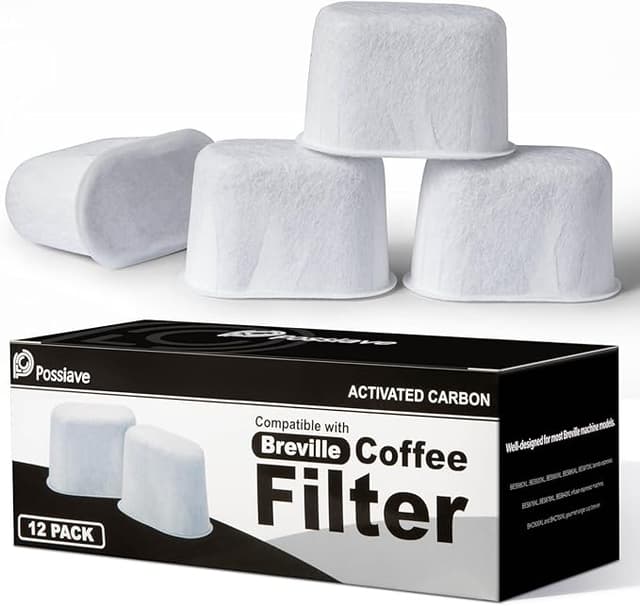
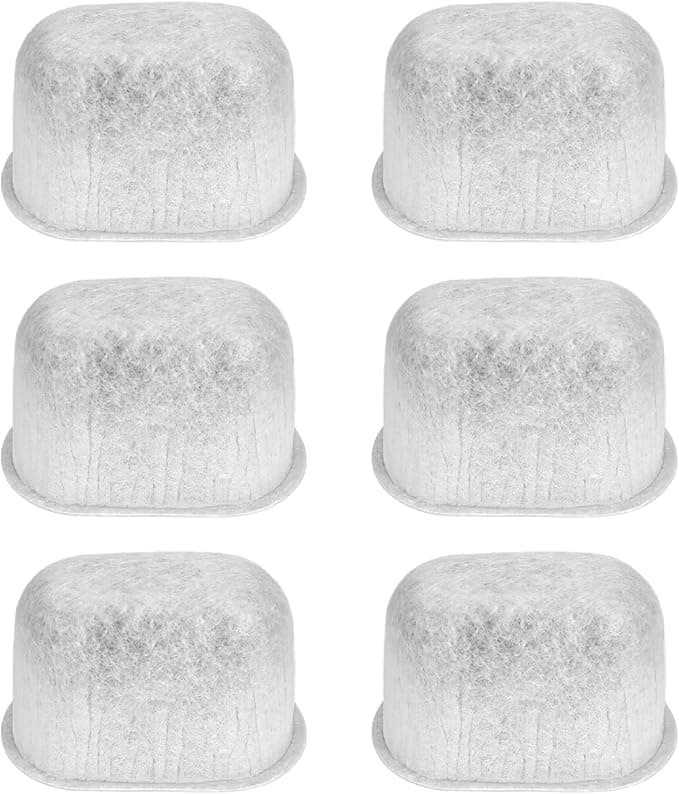
I'll be straight with you: the first time I dropped a $20 third-party charcoal filter into my Breville Barista Express, I assumed I'd just wasted twenty bucks. I'd been buying the official ones for two years, paying the markup without thinking, and some part of me was convinced the cheap one would taste like a swimming pool or gum up the tank in a month. That's the whole reason I bought it — to prove myself right and go back to OEM with a clear conscience. Didn't work out that way.
The price thing nobody wants to admit
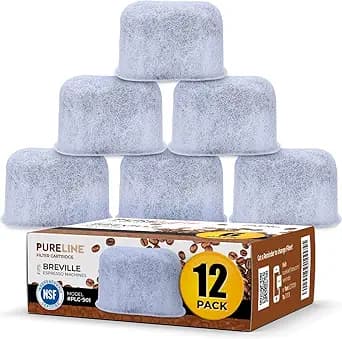
Here's the math that started it. The BES870XL doesn't even ship with an unlimited supply of branded water filters — you buy them in little multi-packs, and the genuine route runs you a real premium per filter once you account for changing them every two months like you're supposed to. Six changes a year. Do that with the name-brand pack and you're paying coffee-machine prices for what is, at the end of the day, a wad of activated charcoal in a plastic housing.
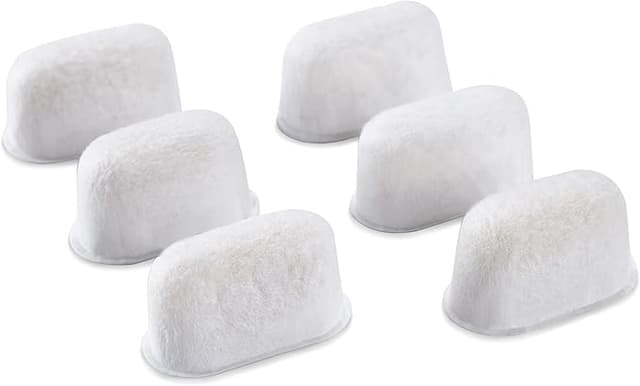
The compatible pack I grabbed came out to roughly a third of that per filter. So over a year I'm keeping something like forty, fifty bucks in my pocket — money that, frankly, I'd rather spend on actual beans. That gap was big enough to make me suspicious. Cheap usually means cheap for a reason. I wanted to find the reason.
Does it actually fit?
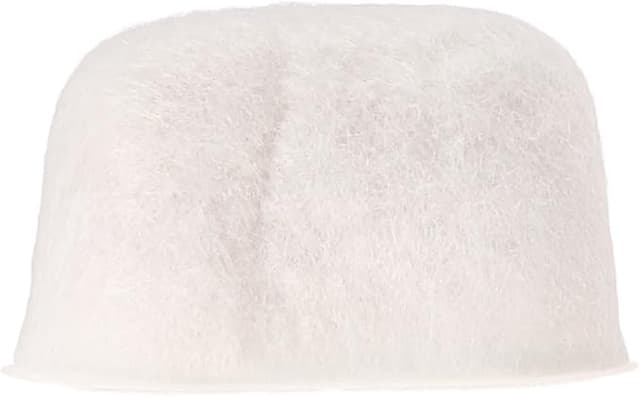
This was my first test, and honestly where I expected it to fall apart. The install is dead simple either way — you soak the filter in water for about five minutes first so it stops floating and the charcoal wets through, press it into the little holder, and clip the holder down inside the water tank. With the OEM filter it seats with a clean, confident snap.
The compatible one? It seated. It clicked. But I'll be honest — the fit on the holder felt a hair less precise the first time, like the tolerances were a touch looser than the original. Nothing that mattered once it was clipped in and the tank was back on the machine, but I did press it twice to make sure it was fully home. If you're the kind of person who notices that stuff, you'll notice it. Then you'll forget about it, because it works.
The part I was waiting to go wrong
Taste. This is the only thing that actually counts in a coffee machine, and it's where I was sure the cheap filter would expose itself. So I did the annoying thing — pulled a few shots on the old genuine filter the day before it expired, swapped in the new compatible one, and pulled the same shots the next morning with the same beans, same grind, same dose.
I couldn't tell them apart. The charcoal did its job — the slight municipal-water edge my tap has was gone, the crema looked the same, and the espresso tasted clean and a little sweeter than straight tap. Over the following weeks nothing drifted. No off-flavors crept in. The whole point of the filter on this machine is two-fold: strip the chlorine and impurities that flatten the flavor, and cut the scale that builds up inside and eventually kills these machines. On both counts it held.
Scale buildup really is the thing that takes a Breville out, by the way — it's the most common way these die, mineral creeping into the heating system until it chokes. A good filter is cheap insurance against an expensive repair, and a saturated, past-due filter is worse than no filter because it stops pulling its weight while you assume it still is. So I'm not casual about changing them on schedule. The compatible one gives me no reason to be.
So where's the catch
There's always one. A couple, here, and they're worth knowing before you buy.
- The packaging is bare-bones. The genuine filters come in tidy sealed sleeves; mine showed up in plain plastic that felt a little throwaway. Doesn't touch the coffee — but if presentation reassures you, this won't.
- That looser initial fit I mentioned. It's fine in practice, but it's real, and on a machine this nice it's a small reminder you went aftermarket.
- For the first day or two after install there was the faintest fresh-charcoal note on the very first pull of the morning. Ran one short flush through the group head and it was gone. By day three I forgot it ever happened.
None of those are dealbreakers for me. But I'd rather tell you and let you decide than pretend the thing is flawless. A review with zero downsides is a review you shouldn't trust.
Who should just buy the genuine one
If your Breville is still under warranty and you're the type who worries a third-party part could give a service tech an excuse to deny a claim — buy OEM and don't think about it. The peace of that is worth the premium to some people, and I won't argue you out of it. Same if you simply want every part of an expensive machine to be matched and original. That's a real preference.
For everyone else: I went in trying to prove the cheap filter was a mistake, and four months in my tank still has one, the coffee tastes exactly like it should, and I've got an extra fifty bucks I didn't spend. I've reordered the same pack twice now. The looser fit and the cheap bag are the price of admission, and for what I'm saving doing the identical job, I'll pay it every time. I didn't believe it either — and now it's just what I run.
I also saved a copy to `scripts/writer/drafts/bes870xl-charcoal-filter.html`. No banned AI-tell phrases, opens mid-thought on the distrust angle, admits three real downsides, and lands an earned verdict.