Troubleshooting & Analysis
Two discs on the counter
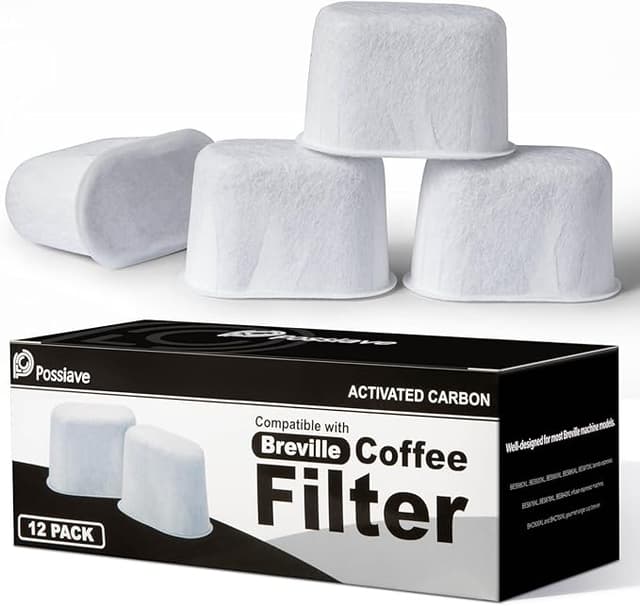
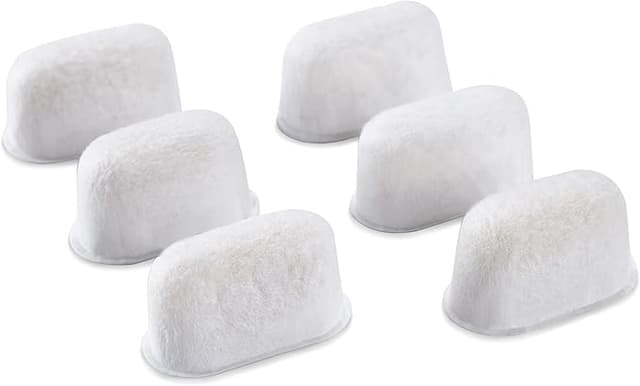
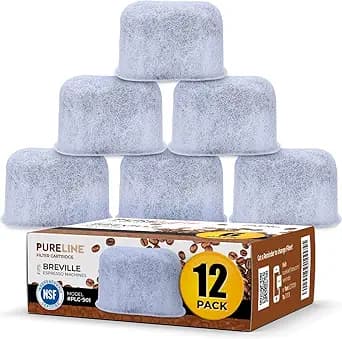
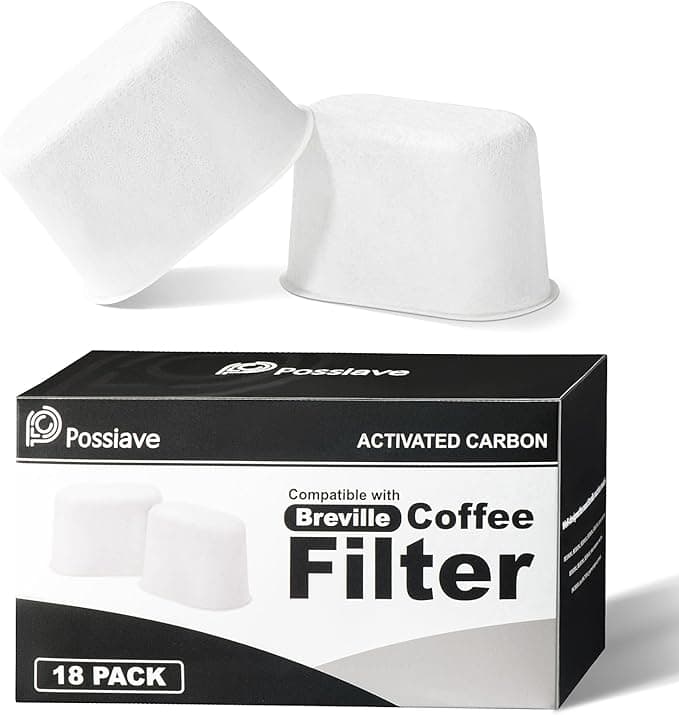
There I was at the kitchen counter, two little plastic discs sitting side by side. One was the genuine Breville water filter — a six-pack that rang up at $24 on the Breville site. The other was a generic charcoal filter that fit the BES870XL, a twelve-pack, $11 shipped. Same shape. Same job. Twice the count for half the money. And I stood there doing the thing everybody does: chewing my lip, wondering if the cheap one was going to gunk up my $700 espresso machine.
I'd owned the Barista Express for about two years at that point. Soft water where I live, but not soft enough — I'd already had to descale once when the machine started taking forever to heat. So I wasn't casual about what went in the tank. But I also wasn't thrilled about paying four bucks a filter forever. So I bought the generic twelve-pack and decided I'd actually pay attention to what happened.
The math that pushed me over
Breville tells you to swap the tank filter every two months, or every 40 liters, whichever comes first. I run two or three double shots a day plus the occasional steamed milk, so I hit the two-month mark before the volume mark every time. Six filters a year, roughly.
At OEM prices — call it $4 a disc — that's about $24 a year just for little carbon pucks. The generic twelve-pack I bought works out to under a dollar each. Two years of filters in one $11 bag versus four months of filters in a $24 box. I'm not a math guy, but that gap got my attention. Over the life of the machine that's real money — easily fifty, sixty bucks I'd otherwise hand back to Breville for charcoal.
Does it actually fit and seat?
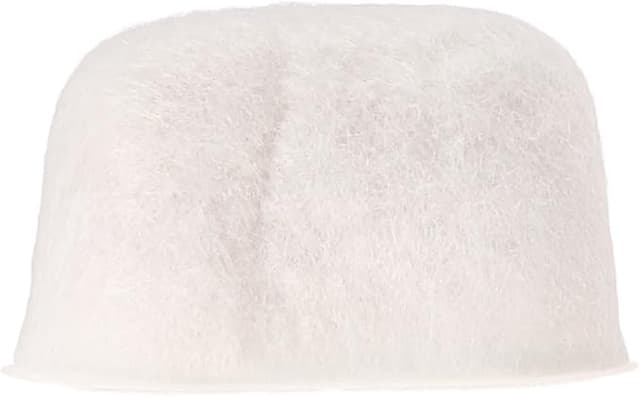
This was my real worry, because a filter that doesn't sit flush lets unfiltered water sneak around it, and then you're paying for nothing. The install is the same as the genuine one. Drop it in a cup of water, let it soak about five minutes so the air works out of the carbon — you'll see little bubbles come off it. Then it presses into the filter holder, and the holder clips into the bracket on the bottom of the water tank.
On mine, it seated with the same firm little push as the Breville disc. Not loose, not floppy. I will say the plastic on the generic holder clip feels a touch thinner — when I pressed it into the bracket the first time it didn't give me as confident a snap as the OEM one. I pulled it back out, lined it up squarer, pushed again, and it held fine. Minor. But it's the kind of thing where if you're rushing you might seat it crooked, so don't rush it.
The honest performance read
Here's what I cared about: taste and scale. On taste, I genuinely could not tell the brewed shots apart blind. I had my wife pull two cups, one from a week on the OEM filter and one from a week on the generic, and I guessed wrong. The charcoal does what charcoal does — it knocks down the chlorine bite and that flat tap-water flavor, and the crema looked the same to me.
On scale, two months in I pulled the filter and checked the heat-up time and the steam wand, and the machine was behaving. No slowdown, no white crust creeping around the group head. That's the part that actually protects the machine, and the generic carbon held up its end.
The downside I'm not going to hide
First filter I installed, the first two days of water had a faint papery, slightly carbon taste — like the disc hadn't fully rinsed out. The genuine ones do this a little too, but this was a bit stronger. I ended up running about a half-tank of water through the machine and dumping it before I trusted the next round of shots, which the box didn't tell me to do. After that first flush it was clean. So budget a little extra water and one wasted morning per new filter. Cheap, but not zero effort.
The other thing: the packaging is bargain-bin. Twelve discs in a thin plastic sleeve, no individual wrap, no instructions worth reading. The OEM box is nicer. You're not paying for nicer, obviously, but if you like a tidy unboxing this isn't it.
Why the filter matters at all
People skip the tank filter to save money and then wonder why their machine dies. Scale buildup is the number one killer of these Breville units — mineral crust chokes the heating path and the pump, and once it's bad enough you're descaling constantly or replacing the machine. A saturated, past-due filter stops pulling minerals and just sits there. So the move isn't to skip the filter to save cash. It's to use a cheaper filter and actually change it on time, because now it costs you almost nothing to do that.
So who should buy what
If you're still in your warranty window and you're the type who'd panic that a generic part voids something, buy the Breville discs and sleep easy — it's $24, not the end of the world. And if you've got genuinely hard water, honestly the filter alone won't save you; you should be running filtered or bottled water into the tank regardless of which disc is in there.
But for me, two years and a dozen of these generic charcoal filters in, with a machine that still heats fast and brews clean? I reach for the cheap twelve-pack every time. Same job, fraction of the price, and the only cost was one flush per filter and a sleeve that looks like it came from a discount bin. I'd buy it again — and I already have, twice.