Troubleshooting & Analysis
The two boxes on my counter, and the $19 I almost didn't spend
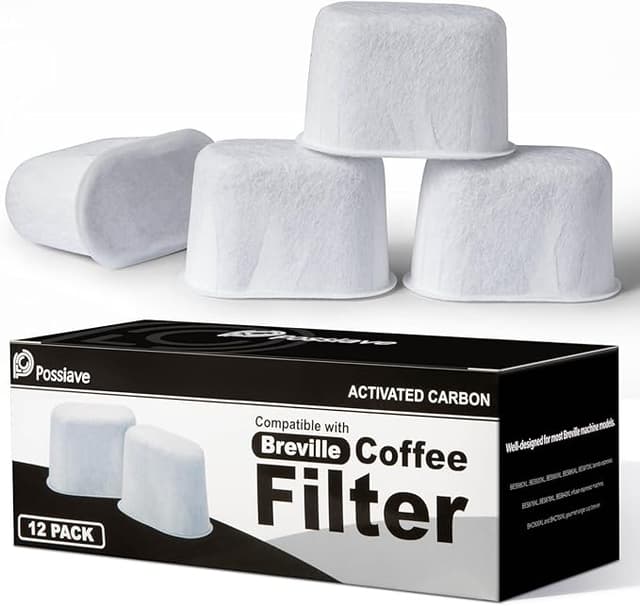
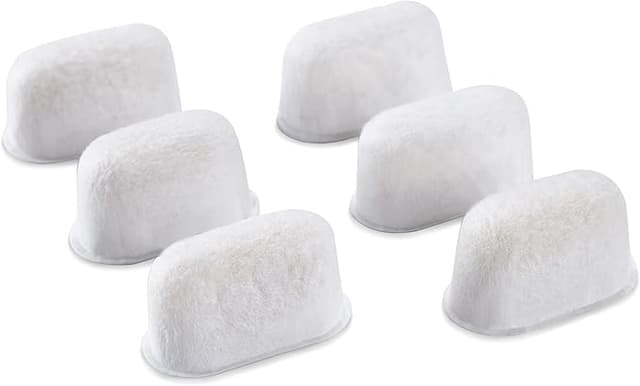
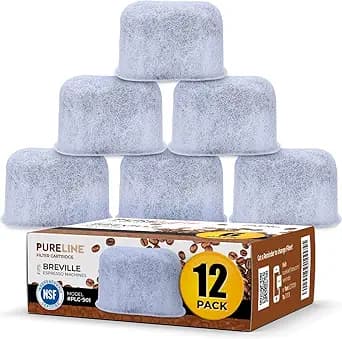
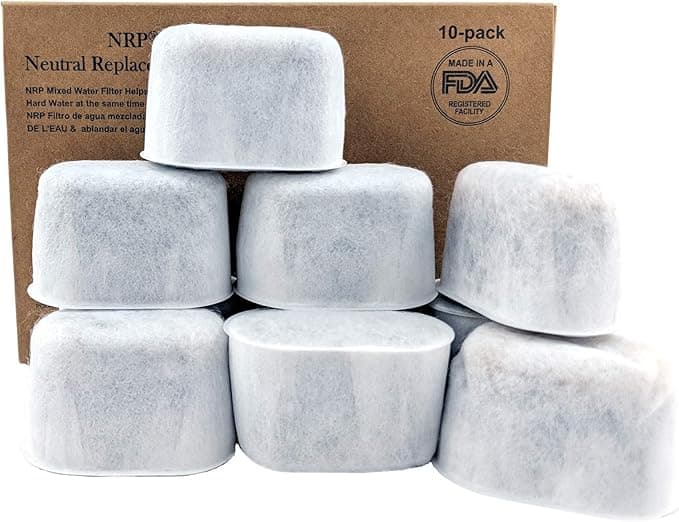
I had both filters sitting on the kitchen counter at the same time. The Breville-branded charcoal filter the appliance store wanted around $14 a pop for — and the three-pack of compatibles I'd talked myself into for $19, which works out to a little over six bucks each. Same shape. Same little puck of carbon. One of them costs more than twice as much per filter, and the only real difference I could see through the plastic was the logo printed on the cardboard.
I own a BES870XL. The Barista Express. It's the machine that finally got me off pods, and after I paid what I paid for it, I got weirdly protective of it. So standing there, holding the cheaper box, the nervous voice in my head was loud: what if the off-brand carbon doesn't actually pull the scale out, and I cook the boiler in eighteen months? That's the fear they're selling against. I bought the cheap ones anyway. Here's how that went.
What the OEM math actually looks like
The Breville filters get changed every two months — that's the interval, and on a machine that lives on hard water you do want to keep to it. So that's six filters a year. At roughly $14 each through the official channel, you're looking at about $84 a year just to keep clean water running through a machine you already paid a small fortune for. The compatibles I bought run about $6.30 each in the three-pack. Six a year, call it $38. So I'm saving somewhere near $46 every year, every year I own this thing, for a carbon puck that soaks in water and drops in a tank.
Forty-six dollars isn't life-changing money. But it's a tank of gas, and it's recurring, and the OEM version was not doing anything the cheap one couldn't.
Fit and install — the part I was actually worried about
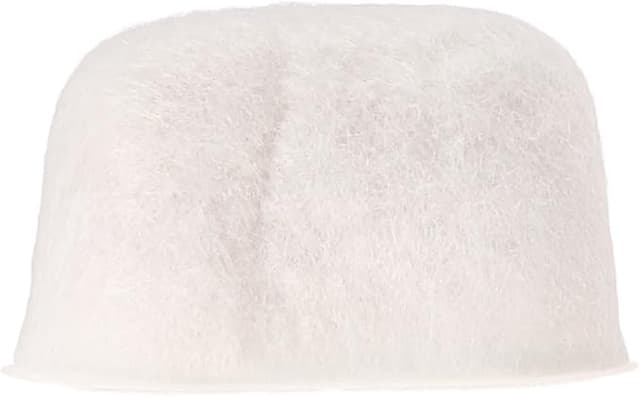
The routine is the same as the original: soak the filter in a cup of water for about five minutes so it stops floating and the carbon wets through, push it into the little filter holder, then clip that whole assembly into the bottom of the water tank. On the genuine Breville, the filter clicks into the holder with a confident little snap and sits flush.
The compatible? It seated. But I'll be straight with you — the first one I grabbed was a hair tight going into the holder, and I had to give it a firmer push than the OEM ever needed. It went in. It held. The holder still clipped into the tank, the tank still dropped back onto the machine flush, no gap, no wobble. But that extra half-second of "is this going to go or am I about to crack something" was real, and you should know it's there. Out of the three in the pack, two slid in clean and one was snug. Not a dealbreaker. Just not the buttery fit of the branded one.
How it actually performed in my cup
Four months in now, two filters deep. The water tastes clean — no chlorine bite, no flat carbon-y aftertaste that I sometimes get from a filter that's gone too long. The shots pull the same. Crema looks the same. If you handed me two espressos, one made on water from the Breville filter and one from the compatible, I could not pick them out. I've tried, half-paying-attention, over breakfast. I can't tell.
Where it's a touch behind: the carbon in the cheaper filter seems to exhaust a little faster. Around the seven-week mark on the first one, I caught the very faint beginning of that dull, slightly muddy taste that tells you the carbon's tired — a few days earlier than I'd notice it on the genuine filter. The fix is dumb-simple: I just don't push these to the two-month line. I swap at six, seven weeks. Given they cost a third of the price, swapping a hair early still leaves me way ahead. So the "downside" costs me nothing I care about.
The thing that actually matters — and why I don't cheap out on the schedule
Here's the part worth taking seriously, and it's not about which brand. Scale is what kills these machines. Hard-water mineral builds up inside the boiler and the lines, and a saturated or skipped filter is what lets it through. A dead filter isn't neutral — it's worse than no plan at all, because you think you're protected and you're not. So whichever box you buy, the real protection is changing the thing on time. The carbon in the compatible does the job; the discipline of swapping it is on you.
That's honestly why the cheap filters made my machine safer, not less safe. When each filter costs fourteen bucks, there's a quiet temptation to stretch it "just a couple more weeks." At six dollars I never hesitate. I keep a spare in the drawer and I swap without thinking about it.
So who should buy which
If you're someone who will absolutely forget to change a filter and wants the most foolproof, snuggest-fitting puck money can buy — or you're still inside a warranty period and want zero arguments if something goes sideways — buy the genuine Breville. No shame in it. The fit is a touch nicer and you'll sleep fine.
For everyone else with a BES870XL and a little common sense about the calendar: I grab the compatibles. Same clean water, same shots, about $46 back in my pocket every year, one slightly-snug filter out of three, and a carbon life I just respect by swapping a week early. I've now bought my second pack. That's the most honest endorsement I've got — I spent my own money on them again.