Troubleshooting & Analysis
I did the math on a $4 puck of charcoal and got annoyed
Breville's own water filter — the BWF100 — runs about $26 for a six-pack at most places. That's roughly $4.30 per filter. The machine wants a fresh one every two months, so call it six a year. Twenty-six bucks a year to soak a little plastic-and-carbon disc and drop it in your water tank. I bought it the first time without thinking. The second time I actually looked at the unit price and felt a little stung.
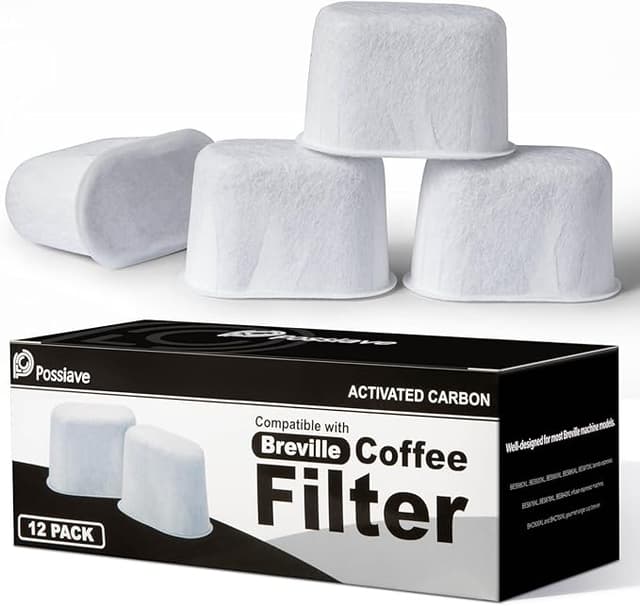
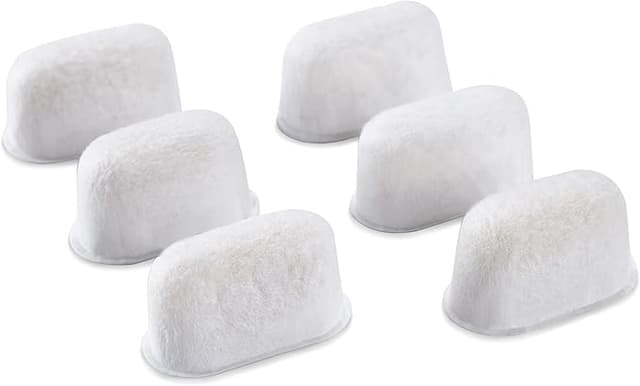
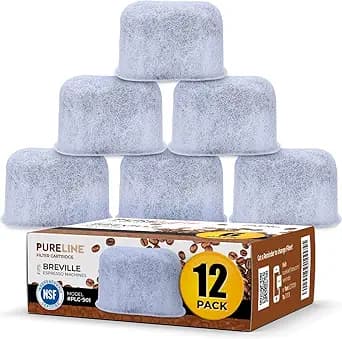
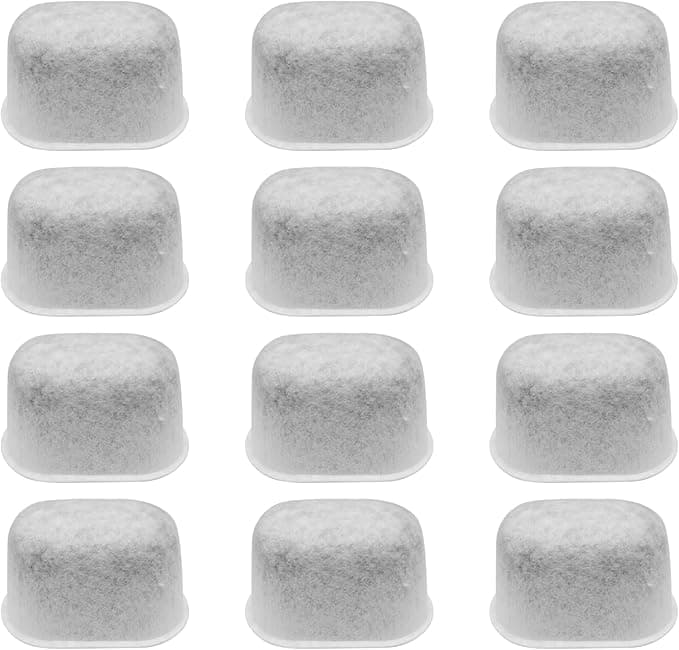
So I did what I always do now: I ordered a compatible pack instead. Twelve filters for about $17. That's $1.40 each — a third of what Breville charges for the same job. Two years of replacements for less than one year of OEM. I've been running these in my espresso machine for the better part of a year, and I want to tell you exactly what's good and what isn't, because the gap is smaller than the air-purifier rip-offs I usually rant about, and that matters.
The honest install — it's a soak, not a science
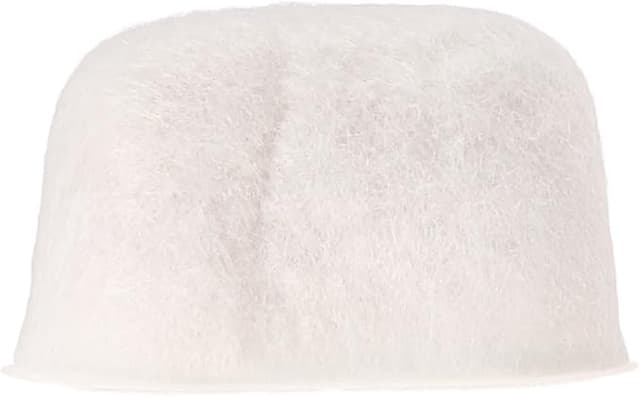
Here's the whole ritual, and it's the same as OEM. You drop the filter in a cup of water for five minutes so the carbon wets through and stops floating. You clip it into the little plastic holder, then seat that holder down into the bottom of the water tank. On my machine it pushes in with a soft click — you feel it bottom out. Then you reset the little date dial on top so you remember when to swap it. That's it. Every two months, repeat.
The compatible ones seated the same as the Breville. Same diameter on the puck, same holder geometry, no shaving or forcing. I've read complaints about off-brand filters that sit a hair proud and let the tank lid bind — didn't happen with the ones I used, but I'll be straight: the holder clip on the cheap pack felt a touch flimsier in my fingers than the OEM one. It held. It just didn't feel as confident going in.
What it actually does, and where it's a step behind
The whole point of this filter is two things: pull chlorine taste out of your tap water so it doesn't end up in the cup, and slow down scale — the calcium crust that builds inside the boiler and kills these machines. Scale is genuinely the number one way a Breville dies, and a saturated or skipped filter is how scale wins.
On the taste side, the compatible filter did its job. My tap water has a faint chlorine edge in summer, and the espresso pulled through it came out clean — I couldn't tell a blind shot made with the OEM filter from one made with the cheap one. My wife, who is fussier than me about coffee, didn't flag anything either.
Where it's a touch behind: longevity feels marginally shorter. The OEM disc, if I'm being picky, seemed to hold its chlorine knockdown right up to the two-month mark. With the compatible one, I started getting a whisper of that flat, slightly mineral taste maybe a week or ten days before the swap date on my harder-water months. Not dramatic. But if your water is genuinely hard, I'd swap the cheap one a little early rather than ride it to the full eight weeks. At $1.40 a filter, swapping a few days early costs you nothing.
The real downside, said plainly
First few brews off a fresh compatible filter, there was a very faint new-plastic note — that just-out-of-the-bag smell from the holder, not the carbon. It blew off after I ran two tank-fulls of water through and dumped them. With the OEM I don't remember noticing it at all. So my routine now: when I drop in a fresh compatible filter, I run a full tank of plain water through to waste before I pull a real shot. Sixty seconds of babysitting. Honestly that's the only knock I have, and it's the kind of thing I'd never know to mention if I hadn't been paying attention.
The packaging is also cheap — a flimsy poly bag versus Breville's printed box. Doesn't change what the filter does. It just looks like what it is: the no-frills version.
Who should still buy OEM
If your machine is under warranty and you're the type who worries a service tech will point at a non-Breville filter and deny a claim, buy the BWF100 and sleep easy — that's a legitimate reason, not a coffee reason. And if you only go through a couple filters a year because you mostly run distilled or pre-filtered water anyway, the savings is small enough that it's not worth the thirty seconds of extra rinsing. Pay the Breville premium and move on.
My verdict
For most people running tap water through a Breville every day, the compatible filter is an easy call. Same install, same chlorine knockdown in the cup, same scale protection if you don't skip the swaps — at a third of the price. The downsides are real but tiny: a flimsier clip, a faint plastic note you rinse out in a minute, and maybe a week less life on hard water. None of that touched the coffee.
I've reordered the twelve-pack twice now. That's the most honest endorsement I can give — I spend my own money on these, and I keep doing it. If you're staring at the $26 Breville box and the $17 generic one and feeling nervous, that's the right instinct to have about cheap filters in general. Here, that nervousness is misplaced. Grab the compatible pack, rinse the first tank, and put the difference toward better beans.