Troubleshooting & Analysis
I stood in the kitchen aisle holding two little plastic discs
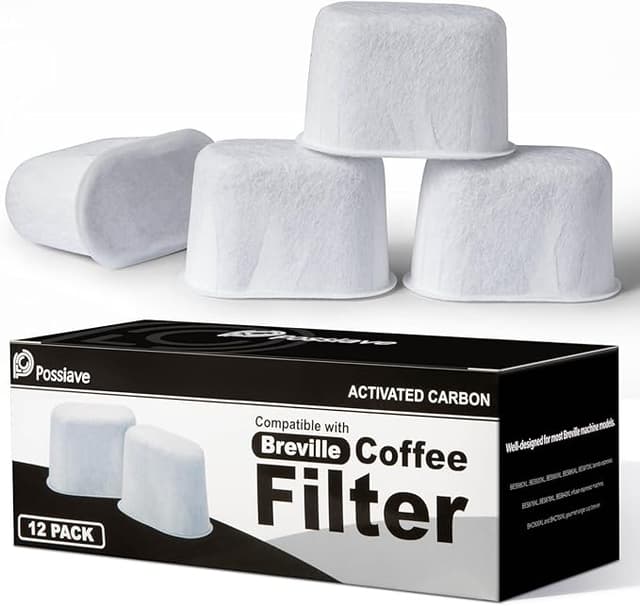
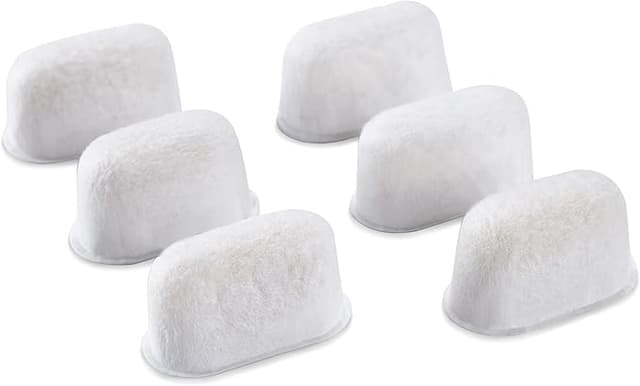
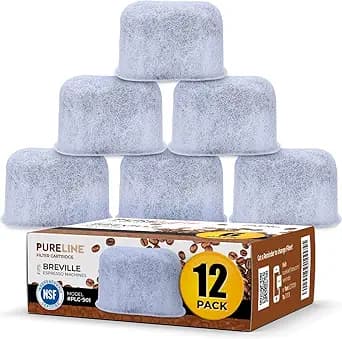
One was the real Breville water filter — a two-pack, white box, fifteen bucks. The other was a compatible six-pack for about thirteen. Same size disc. Same job: sit in the water tank of my Barista Express and keep scale and chlorine out of the boiler. I did the math right there with my thumb on my phone. The Breville pack works out to roughly $7.50 a filter and lasts me two months each. The compatible six-pack? A little over two dollars a filter. Over a year — six filters — that's the difference between buying one box and buying basically nothing. I put the cheap pack in the basket. Then I stood there another ten seconds wondering if I'd just done something dumb to a $700 machine.
I've been running the compatible ones for about fourteen months now. Here's the honest report.
What this filter actually does
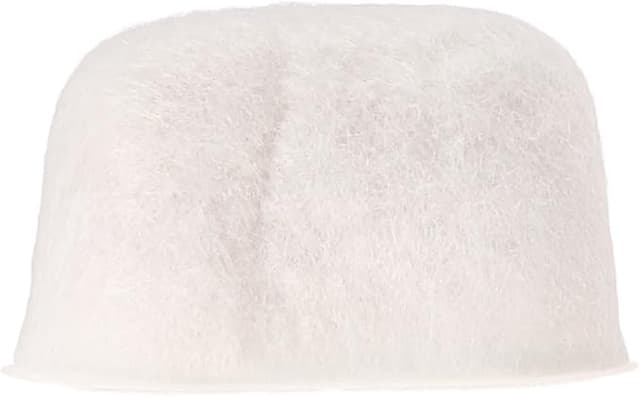
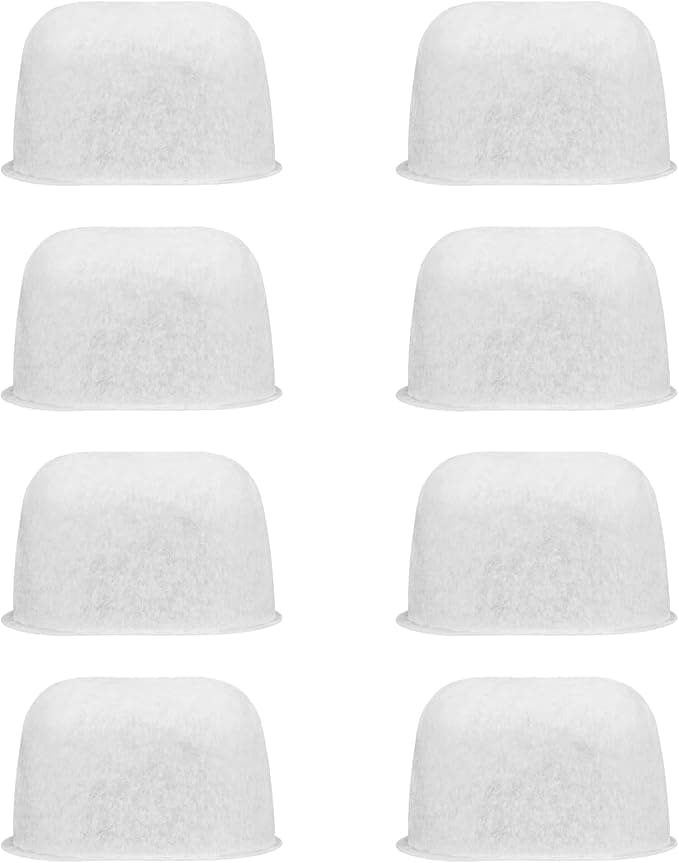
People overthink these. It's a small charcoal puck that clips into a plastic holder, and the holder snaps onto the inside wall of the water tank. Water passes through the carbon on its way to the pump. The carbon grabs chlorine and some of the dissolved junk that makes tap water taste like a pool, and it cuts down on the mineral content that turns into scale inside the machine. Scale is the thing that actually kills Breville espresso machines — it furs up the boiler and the tubing until the pump can't push water through, and a descale-every-week machine is a machine on its way out. So the filter isn't a luxury. It's cheap insurance on the most expensive part.
Does the compatible carbon work as well as Breville's own? In the cup, I genuinely can't taste a difference. I pulled shots side by side the week I switched — same beans, same grind, back-to-back mornings — and my wife, who notices everything, didn't flag it. The water out of the tank tastes clean. No chlorine bite. That was the thing I was most worried about and it just... wasn't an issue.
The install: soak it, or you'll be sorry
This is where the cheap one bit me the first time, and it's worth saying plainly. The instructions say soak the filter in water for five minutes before you install it. I skipped that the very first time — dropped it dry into the holder, snapped it in the tank, filled up, and got air sputtering through my first two shots. Channeling, weird pressure, a sad dribble. I thought the filter was defective. It wasn't. Dry carbon traps air, and the air has to work its way out. So: soak it a full five minutes, give it a gentle squeeze underwater to chase the bubbles, then push it into the holder and clip the assembly onto the tank wall. After that, run a tank of water through with no coffee just to flush it. Do that and it behaves perfectly.
Fit-wise, the holder clips in with a click — same as the original. On the compatible packs I've bought, the disc itself runs a hair smaller in diameter than the Breville one, so it seats with a tiny bit of play instead of the snug press the OEM gives you. It doesn't leak around it or bypass — the water still goes through the carbon — but if you're the kind of person who needs everything to feel machined-tight, that loose half-millimeter will bug you. It stopped bugging me by week two.
The downside I'd want a friend to tell me
Two real ones, honestly.
First, the smell. Fresh out of the bag, a couple of the cheaper filters had a faint plastic-and-charcoal odor for the first day. The soak-and-flush routine kills it completely, but if you skip the flush you'll get one slightly off-tasting shot. So don't skip it.
Second — and this is the one that actually matters — the replacement interval is shorter than you'd hope. Breville rates their own filter for about two months or roughly 40 liters. The compatible carbon, in my experience, is closer to honest at six to eight weeks before I notice the water tasting flatter and the descale light getting antsy. So you're not really getting six "two-month" filters; you're getting six "seven-week" filters. The annual cost is still a fraction of OEM, but be realistic and mark a date on your phone instead of trusting the box. I rotate mine on the first of every other month and it's never let scale build up.
Who should just buy the Breville one
If your machine is brand new and still under warranty, and you're the type who'd be furious if a service tech blamed a third-party part — buy the real two-pack and don't think about it. The peace of a clean warranty conversation is worth a few extra dollars to some people, and that's fair. Same if you're on a well or extremely hard water; at that point I'd honestly tell you to skip filters entirely as your main defense and just descale on a strict schedule, because no carbon puck of any brand fully handles serious hardness.
For everyone else — normal city tap, a machine that's a year or two in, someone who'd rather not pay $7.50 for a disc of charcoal — the compatible filter does the same work. I've pulled probably two thousand shots through these now. The boiler's clean, the descale interval hasn't shortened, the coffee tastes right. The frame's a touch loose and you have to actually soak the thing, but for the price of one OEM box a year I get the whole year covered. I bought another six-pack last month. That's the most honest endorsement I've got: I spent my own money on it again.