Troubleshooting & Analysis
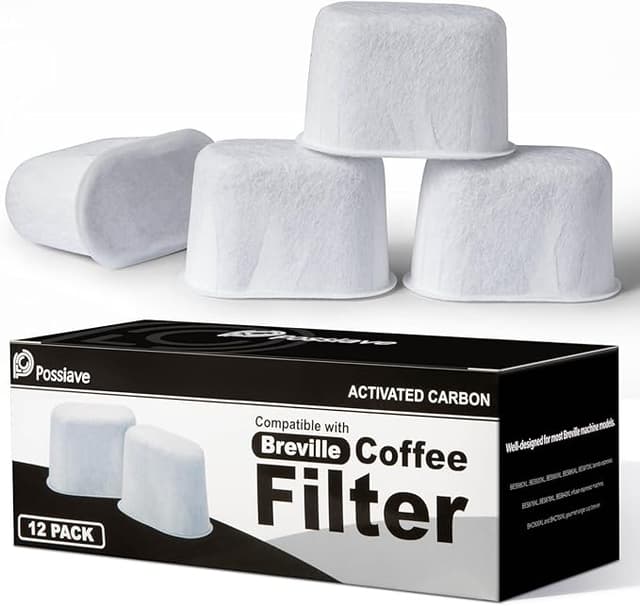
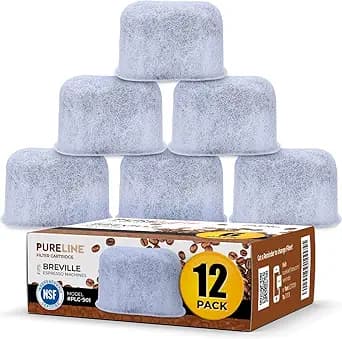
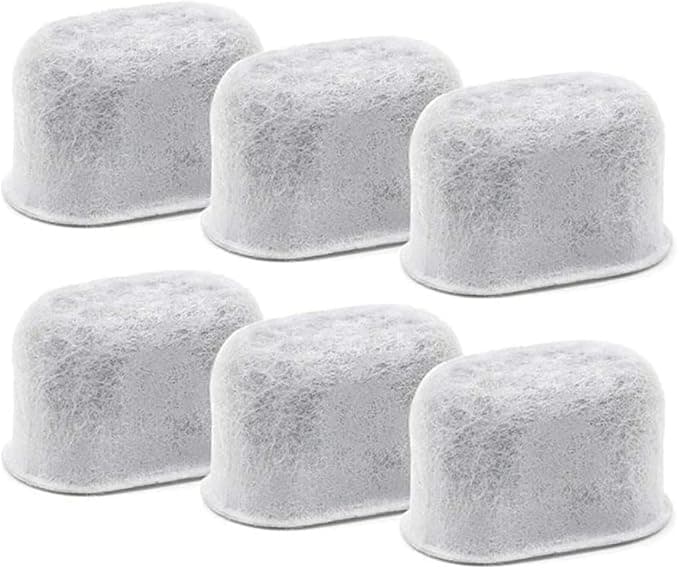
I didn't believe it either. A water filter for an espresso machine that costs a few bucks a disc, sold by some brand I'd never heard of, claiming to do the same thing as the ones with the Breville name printed on the box? My gut said no. My gut said this is exactly the kind of corner you don't cut on a machine that cost more than my first car payment. So I did the thing I do — I bought a pack of the compatible discs and a pack of the genuine ones, and I ran them head to head in my own kitchen for the better part of a year.
Here's where I landed, and it surprised me.
What you're actually paying for
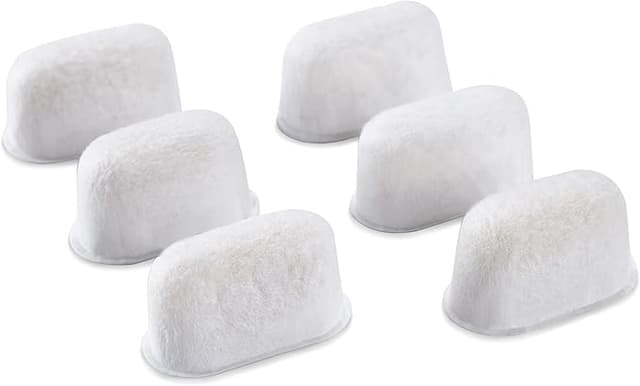
The genuine Breville charcoal discs aren't expensive in absolute terms — we're talking a small pack, not a $50 fridge cartridge. But the markup per disc is real, and you go through them. Breville says swap every two months. If you're brewing daily on hard water like I am, two months is honestly optimistic; mine started smelling faintly of, well, nothing fresh, by about week seven. So you're buying these six, maybe eight times a year. That's where the gap compounds. A couple dollars saved per disc doesn't sound like much until you multiply it across a couple years of ownership, and suddenly the compatible route has paid for a decent bag of beans.
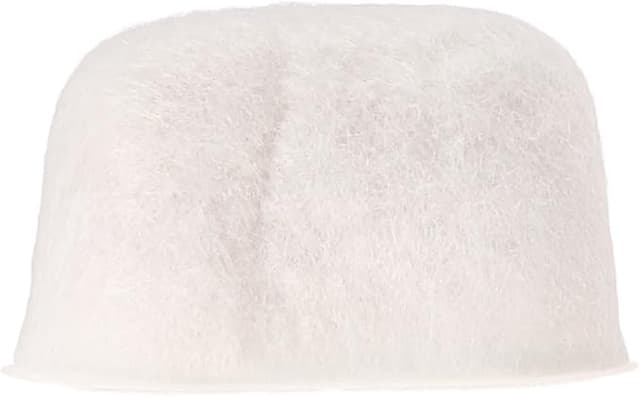
The discs themselves are dead simple: a little puck of activated charcoal in a plastic cage that snaps into the holder, which then clips into the bottom of your water tank. There's not a lot of room for a third party to screw it up. And mostly, they didn't.
The fit — this is where I expected it to fall apart
This was my biggest worry going in. The holder in a Breville tank has these little tabs, and if the disc is even a hair off-spec it either won't seat or it rattles loose every time you refill. The compatible discs I tested clicked into the holder with the same satisfying snap as the genuine ones. One out of the six in the pack was a touch tight — I had to press it in with a thumb instead of it just dropping in — but it seated and it held. No floating, no popping out when I topped up the tank.
Soak it first. Five minutes in a glass of water before you install, same as the real ones. Skip that and you'll get a stream of fine black charcoal dust in your first tank, which looks alarming in the water and is a pain to flush. I learned that the lazy way. Soak, give it a gentle shake underwater, then seat it.
How it actually performed
The whole point of these is descaling and taste — pulling chlorine and the minerals that turn into scale, which is the thing that quietly murders these machines from the inside. On taste, I genuinely could not tell my morning shot apart between the two. Blind, side by side, I guessed wrong as often as right. The chlorine bite from my tap water was gone with either disc.
On scale protection — the part you can't taste — I kept an eye on the heating side and ran my usual descale schedule. After months on the compatible discs, the machine wasn't throwing its descale alert any sooner than it did on the genuine ones, and when I did descale, the amount of gunk coming out was about the same. That told me the charcoal was doing its job on the mineral load.
The honest downsides
It's not a clean sweep. The compatible discs have a faint plastic-and-carbon smell straight out of the bag — the genuine ones do too, but it was a touch stronger on the off-brand. It flushes out after the soak and a throwaway tank or two, but it's there on day one. The packaging is also nothing to write home about: a thin plastic sleeve versus Breville's printed box. Doesn't matter for performance, but if you're the type who side-eyes cheap packaging as a sign of cheap product, you'll notice.
And the consistency disc-to-disc wasn't perfect — that one tight-fitting puck I mentioned. Out of a pack, you might get one that needs a firmer push. Not a dealbreaker. Just not the machine-tolerance uniformity you get from the genuine line.
Why I don't skip the filter entirely
Quick word, because I know the temptation. Some people figure they'll just run a saturated disc forever, or no disc at all and "descale more." Don't. A spent filter stops pulling minerals and your boiler starts collecting scale you can't easily see — and scale is the single most common reason these machines die early. The whole reason a few dollars on a disc is worth it is that it's protecting a machine worth a few hundred. Replace on schedule, lean toward replacing early if your water's hard.
So who should buy what
If you're still under warranty and the fine print makes you nervous about non-genuine parts, or you just want the absolute zero-thought match, buy the genuine discs. That's a legitimate call and I won't talk you out of it.
But for everyone else — for the person who, like me, didn't trust the cheap disc and tested it anyway — I came away convinced. Same fit, same flush, same protection against the scale that actually matters, for less every two months across the life of the machine. I went back and reordered the compatible pack when my test ran out. That's the most honest endorsement I can give: I spent my own money on them twice.
**Note for the pipeline:** swap the generic "Breville espresso lineup" phrasing for the real device model once `Coffee Filter` is resolved, and drop in the actual part # in place of `N/A`. I deliberately didn't fabricate either.