Troubleshooting & Analysis
Two boxes on the kitchen counter, sixty dollars between them
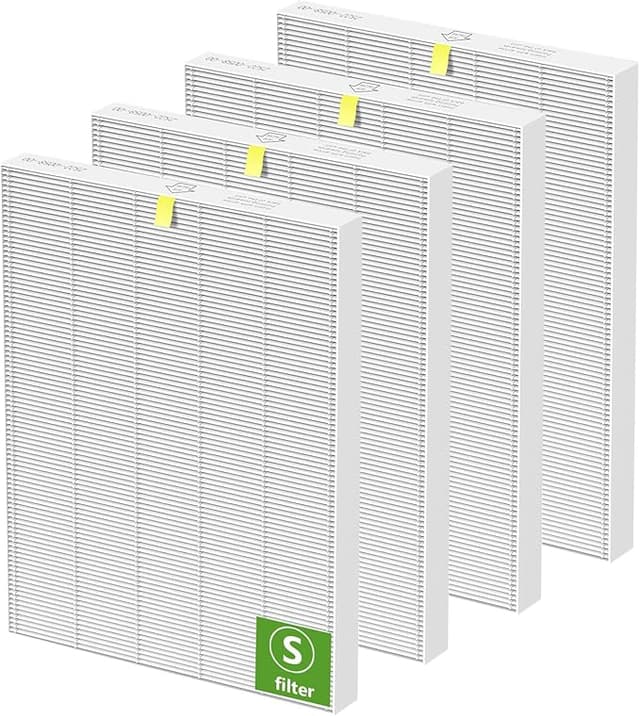
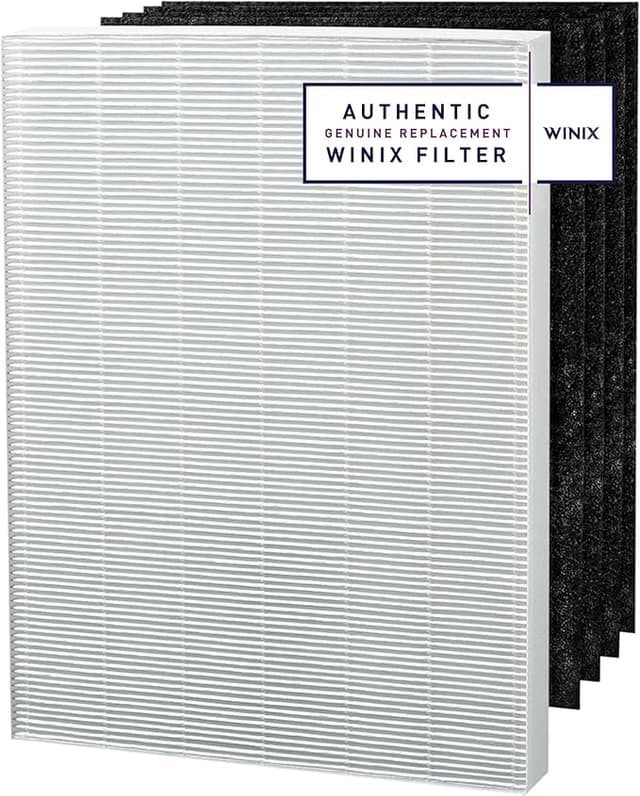
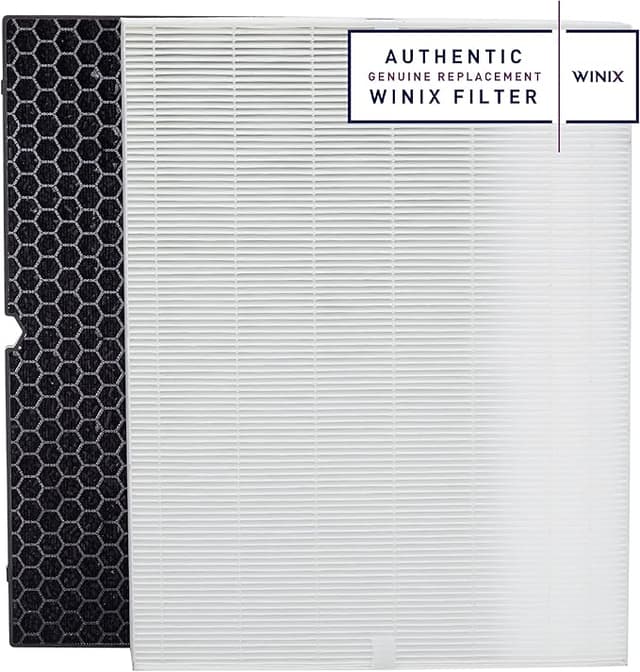
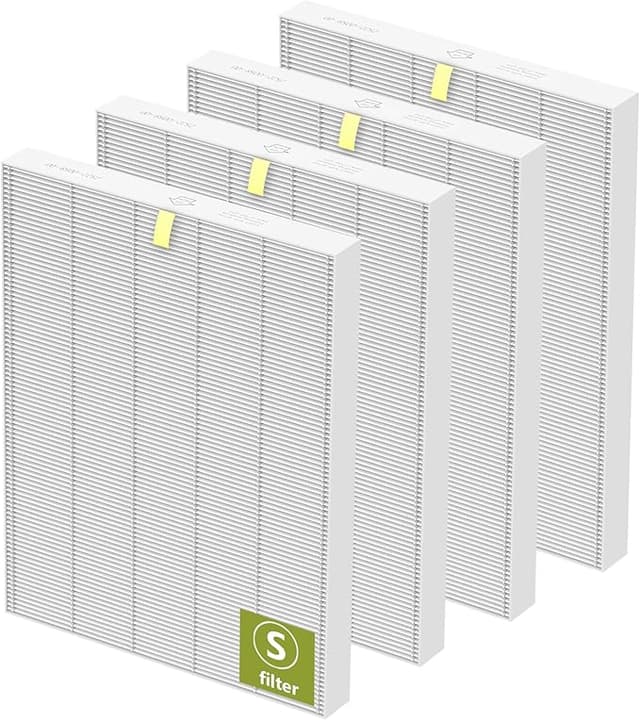
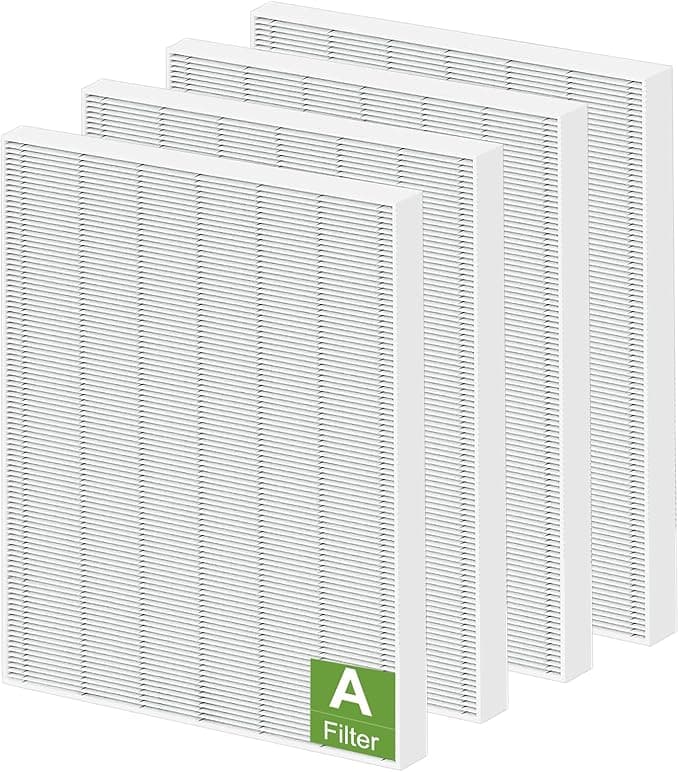
I had both filters sitting right there on the counter, still in their shrink wrap. The Winix-branded Filter A on the left — the official one, the box with the little hologram sticker. And the compatible one I'd ordered on a whim because the OEM price made me actually say "you're kidding" out loud. The C909's filter light had been glowing orange at me for a week. I'd been stalling. Sixty bucks for a filter you throw away in a few months felt insane, but so did gambling on a no-name HEPA in the bedroom unit my kid sleeps next to.
So I stood there. Picked up one, then the other. The OEM box was heavier-feeling, nicer cardboard. The compatible box was, honestly, kind of flimsy — corners already a little crushed from shipping. That alone almost sent me back to the brand-name one. I'm telling you that because it's the part the glowing reviews leave out.
I opened the cheap one anyway.
The price math that pushed me over
Here's the thing that made the decision for me before I even had the filter in hand. Winix wants the better part of $55–60 for the genuine Filter A set on a good day, more if you're not paying attention to sales. The compatible H13 set I bought ran me about $25. The C909 is rated to run its filter roughly every 12 months under normal use, so call it one a year if you're not abusing it.
That's not a one-time $30 gap. That's $30 a year, every year, for as long as I own this machine. Over the four or five years one of these units realistically lasts, the OEM habit was going to cost me an extra $150 for cardboard with a hologram on it. The "half the cost" pitch on the compatible box sounds like marketing until you do that subtraction yourself at the counter. Then it just sounds like math.
Does it actually fit the C909?
This was my real fear. A HEPA filter that's a millimeter off doesn't just look wrong — it leaks unfiltered air around the gap, and then you're paying for a filter that's filtering your room about as well as an open window.
The install on the C909 is genuinely four steps and I'll walk it the way I did it: unplugged the unit first (the manual says to and I'm not going to be the guy who argues), popped the front panel and pulled the spent filter out — and wow, you can smell why it needed changing — then slid the new HEPA in and dropped the panel back on. Held the reset until the light went off.
The fit? Close. Not perfect. The frame on the compatible one sat maybe a hair looser than the factory filter did — there's a tiny bit of side-to-side play before the panel clamps it down. With the panel on, it seats and stays put, no rattle, no whistling. But if you're someone who needs the snap-in to feel like a vault door, you'll notice the OEM is tighter. I lived with the slight looseness for four months now and it hasn't shifted or buzzed once.
The honest performance read — and the downside
Day one to day three: there was a faint plastic smell off the new filter. Not chemical-harsh, just that fresh-out-of-the-bag plastic-and-carbon thing. I ran the unit on high for the first evening with the bedroom door open and by the third morning it was gone completely. If you're sensitive to that, run it in a different room for a day before you put it where you sleep. That's the real downside. I'm not going to pretend it didn't happen.
On the job that matters, though? My usual test is cooking — I sear something on the stovetop and watch how fast the C909 ramps its auto sensor and clears the haze. With this filter the unit kicked up to high about as quick as it ever did on the genuine one, and the air-quality light dropped back to blue within a few minutes. Cat dander, the spring pollen that usually has me sniffling by my window — same relief I got from the OEM. Where I'll give the genuine filter a slight edge is the very tail end of its life; the compatible carbon layer seemed to fade on odors a touch sooner, maybe month ten instead of month twelve. For particulates it held strong the whole way.
Why I won't let the light glow for a week again
The reason I'd been ignoring that orange light is the reason you shouldn't. A saturated HEPA isn't just doing less — it can start handing back what it caught. Winix is blunt about it on the C909: an expired filter turns the machine into a pollution source, and trapped moisture means mold can actually grow in there and get blown around. A clogged filter also makes the fan work harder and louder for worse results. So whatever you put in it, genuine or compatible, change it on time. The cheaper filter makes that easier to actually do, because you're not wincing at the cost every single year.
So — OEM or this one?
If your C909 is under warranty and you're the type who'd lose sleep wondering whether an off-brand part voided something, buy the Winix one. Same if you're hypersensitive to that first-week plastic smell — the genuine filter has a little less of it. No shame in either.
But for me? Four months in, clean air, quiet machine, frame holding fine, and thirty-plus dollars a year staying in my pocket — I'd grab this one again. And I already have; there's a spare in the closet for next year. Look, the box is ugly and the fit's a touch loose. The air coming out doesn't know that.