Troubleshooting & Analysis
Standing in the aisle doing dumb math
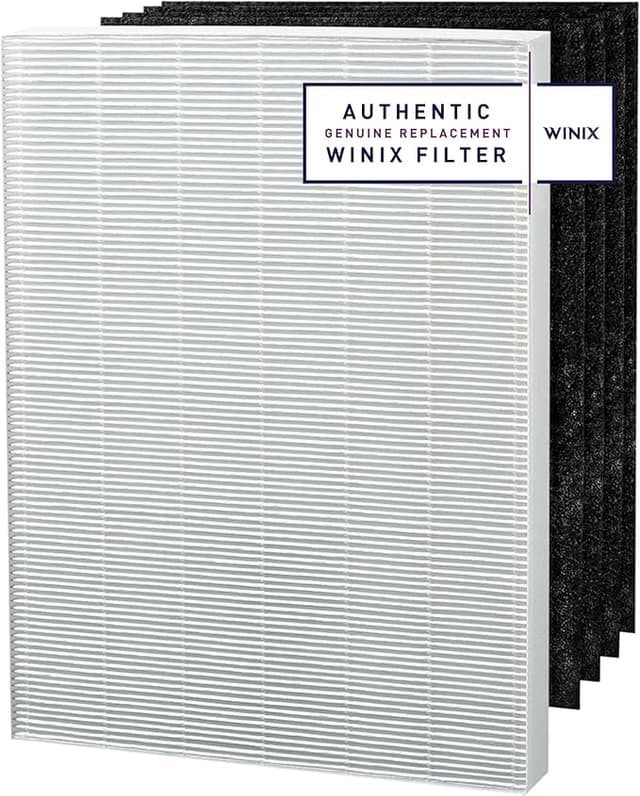
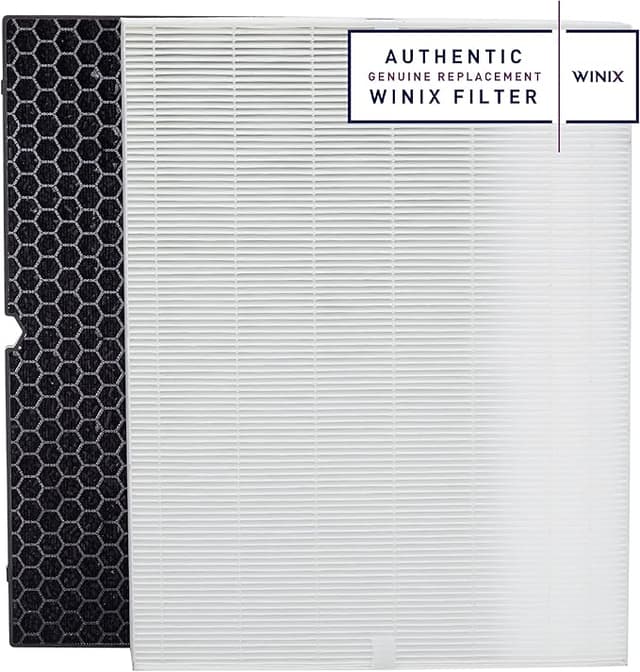
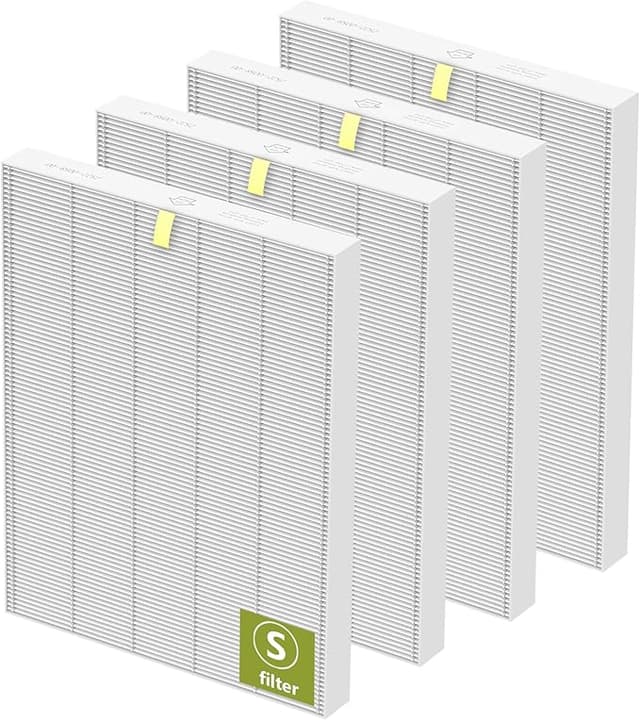
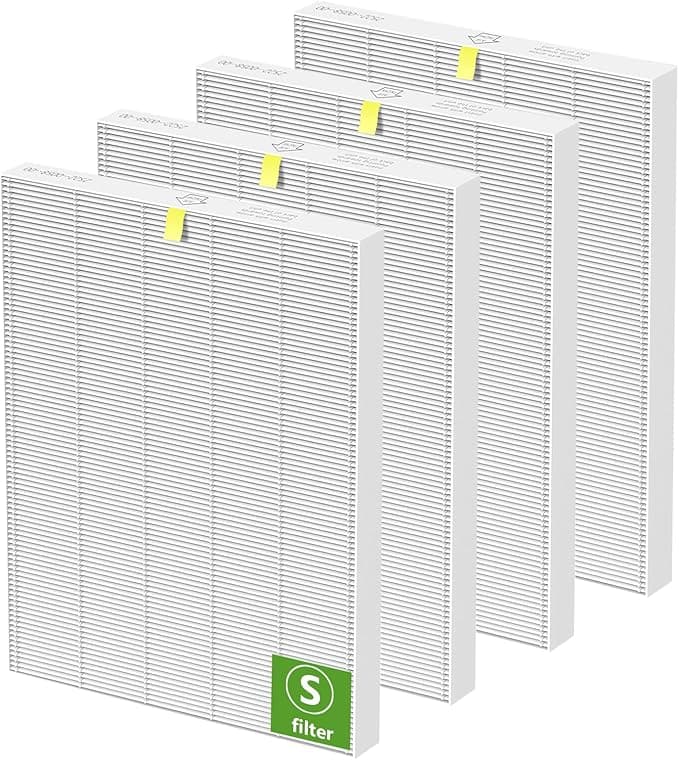
I had both boxes in my hands at the same time. The genuine Winix replacement on the left, the compatible Filter C for my 2522-0 on the right, and a price difference that made me stand there longer than a grown man should stand in a hardware aisle. The OEM was running me a little over $40 a pop. The compatible one? Just under $20. Same True HEPA H13 claim printed right on the sleeve.
And honestly, I didn't believe it. That was my first reaction. Half the price for the same filtration rating reads like a trap — like the corners got cut somewhere I couldn't see until my bedroom air smelled like a basement again. So I bought one of each. Ran the OEM first for a full cycle, then swapped to the compatible and paid attention. Here's what four-plus months actually told me.
The money, laid out flat
The 2522-0 wants a fresh filter roughly every 9 to 12 months if you're running it daily, which I am — it lives in the bedroom and it's on every night. At OEM pricing that's $40-plus a year, forever, for as long as you own the unit. The compatible Filter C drops that to right around $20. Over five years that's the difference between spending about $200 and spending about $100 to keep the same machine breathing. That's not a rounding error. That's a tank of gas and a couple of lunches.
People talk themselves into the OEM because it feels safer. I get it. But "feels safer" was costing me double, so I wanted to know if it actually was safer, or if I was just paying for the Winix logo printed on the cardboard frame.
Does it actually seat right?
This is where compatibles usually betray you, so I'll be specific. The swap on the 2522-0 is genuinely four steps and nothing more: unplug it, pop the old filter out, drop the new HEPA in, reset the filter light. The compatible Filter C went into the housing and seated with a click I could feel through the plastic. No shaving the foam edge, no forcing the front panel back on.
But — and I said I'd be honest — the frame on the compatible is a hair looser than the Winix original. Maybe a millimeter of play. When the unit's sitting still you'd never know. If I bump the purifier moving the nightstand, I can hear the faintest rattle that the OEM never made. It hasn't affected airflow that I can measure, and it settles once the panel clip is on. It's a tell that this isn't the factory part. It's also the kind of thing that costs you nothing in real life.
What it does well, and where it lags
Performance-wise it kept up. I keep a cheap particulate meter on the dresser, and the compatible Filter C pulled my overnight readings down into the same low range the OEM did — I cook with a lot of garlic and the kitchen's close, so there's real particulate to chew on. On dust and the general bedroom funk, I can't tell the two apart by the numbers.
Where it lags slightly: the carbon layer on the compatible isn't quite as hungry on smells. The OEM knocked out cooking odor a touch faster. With the compatible there's maybe an extra twenty, thirty minutes before a strong smell fully clears the room. Small. Noticeable if you're looking for it, which I was. If you bought this purifier mainly as an odor-eater for a heavy-cooking apartment, that gap might nag at you.
The other real downside: the first two or three days, there's a faint plastic-and-new-cardboard smell off the fresh filter. The OEM had a whisper of it too, but the compatible's was a little stronger out of the bag. Run the unit on high for an evening with a window cracked and it's gone. By day four I'd forgotten it existed. The packaging is also just cheaper — thin plastic sleeve, no fancy box. Doesn't matter once it's inside the machine, but you'll notice it's not premium when you open it.
The part that actually matters
Here's the thing nobody likes to think about. The real danger with this unit isn't a slightly looser frame. It's people stretching a dead filter to save money. A saturated HEPA in a 2522-0 stops trapping and starts releasing — trapped mold can multiply in that loaded media and your "air purifier" quietly becomes the thing fouling your air. That's the actual hazard, and it's the exact thing the OEM price tag pushes you toward, because $40 every nine months makes people go "eh, it's probably fine for another season."
At $20, I swap on schedule without flinching. The cheaper filter, changed on time, is genuinely doing more for my lungs than an expensive one I'm guilting myself into stretching. That math flipped how I think about this whole thing.
So who should skip it?
If you've got a real medical reason — bad asthma, someone immune-compromised in the house — and you want zero question marks, buy the Winix original and don't think about it again. The slightly stronger carbon and the dead-tight frame are worth the markup when the stakes are health, not convenience. Same if odor is your whole reason for owning the machine.
For everyone else? I've now bought the compatible Filter C three times. It seats, it filters down to the same numbers I cared about, and it costs half. The looser frame and the two-day break-in smell are real, and I'd rather tell you about them than pretend they don't exist. But for twenty bucks less doing the same job in my bedroom every single night — yeah, I grab this one. Already have. Already will again next cycle.