Troubleshooting & Analysis
Forty-nine dollars. For a filter.
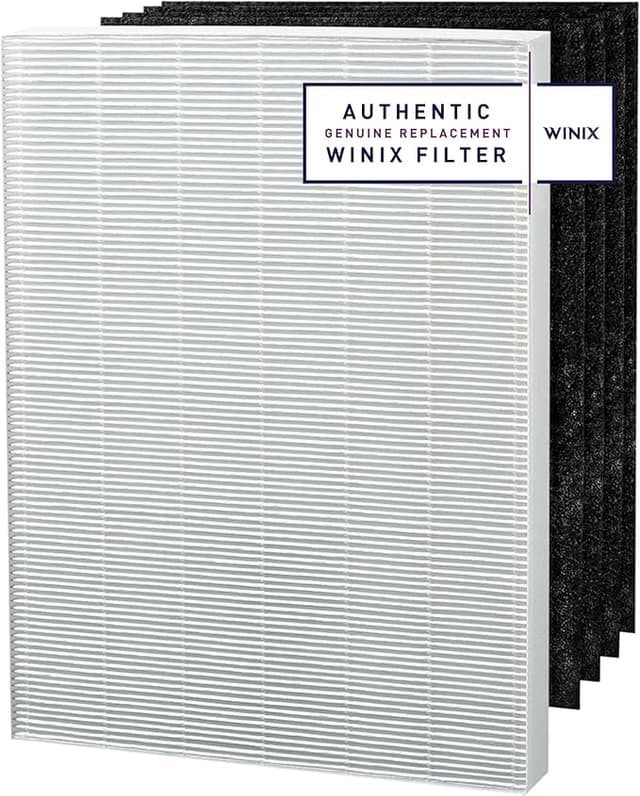
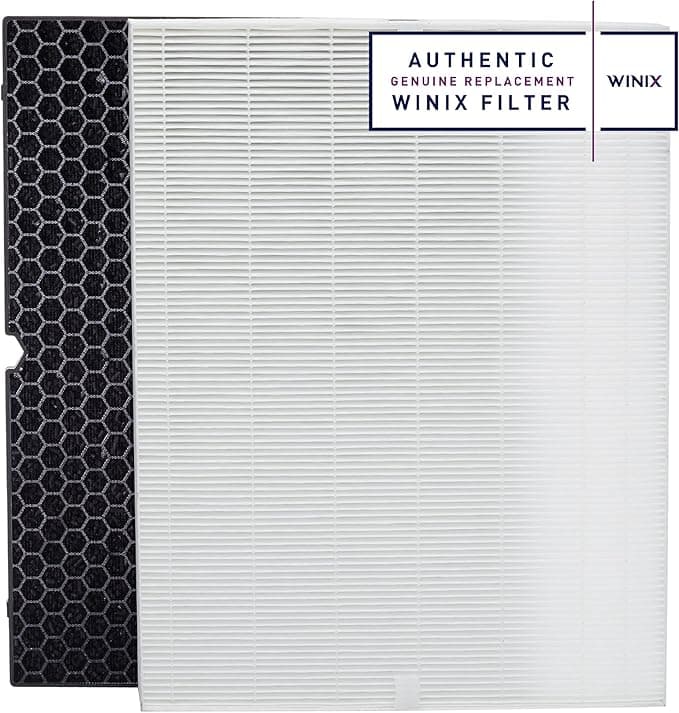
That was the number staring back at me when my Winix 5500-2 finally blinked its filter light after about a year. Forty-nine bucks for the genuine Filter H — the True HEPA panel plus the carbon wrap. I'd paid less than that for some of the small appliances in my kitchen. And here was Winix asking me to hand it over once a year, every year, for as long as I owned the thing.
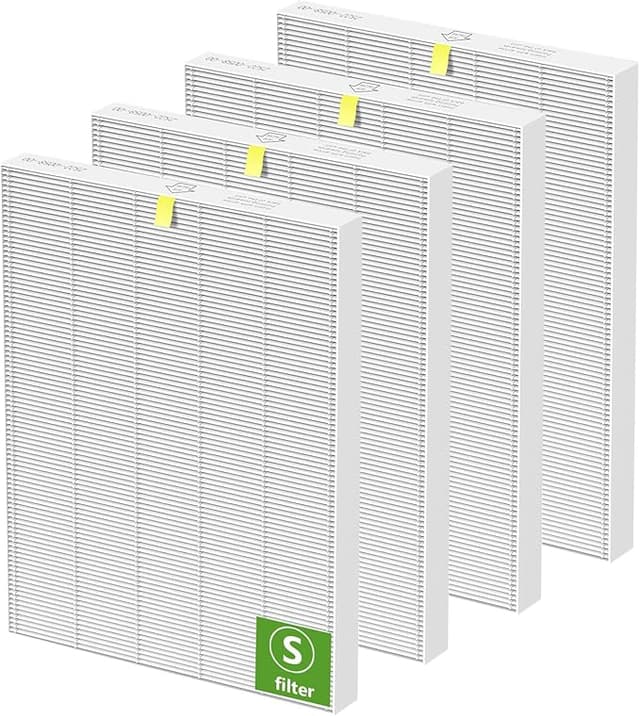
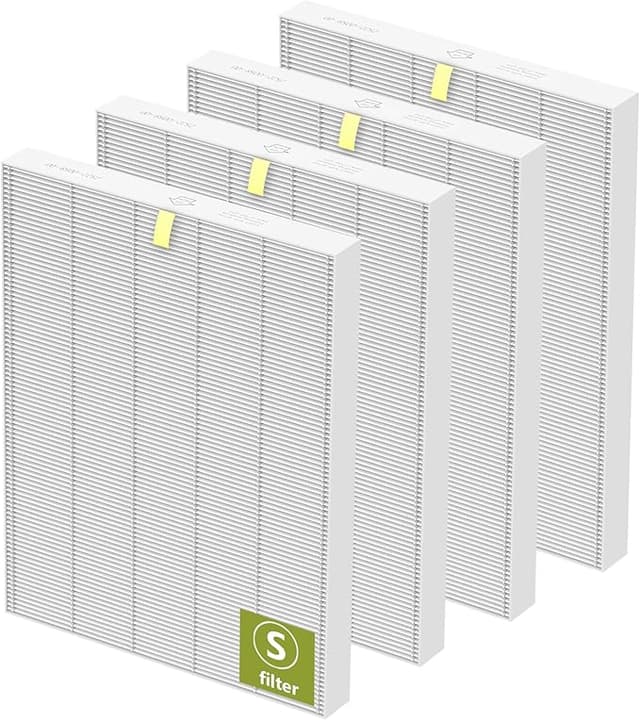
So I did what I'm guessing you're about to do. I searched "5500-2 compatible filter" and found a third-party Filter H replacement for about half — somewhere in the low twenties depending on the week. Same H13 True HEPA spec on paper. And I hovered over the buy button with that exact nervous feeling: is the cheap one going to be junk, or worse, is it going to let dust straight through and I won't even know?
I bought it. I've now run compatible Filter H panels in that 5500-2 for the better part of two years, in a bedroom that backs onto a busy street. Here's the honest rundown.
The math that actually got me
OEM Filter H, call it $45–49. Compatible, call it $22. Winix says replace the HEPA roughly once a year. So over five years you're looking at something like $245 in OEM filters versus about $110 in compatible ones. That's $135 — basically the cost of the air purifier itself — kept in your pocket for doing the identical job. When you frame it as one filter it feels small. When you frame it as "a whole second 5500-2 by year five," it stops feeling small.
Does it actually fit?
This was my first worry, because a HEPA panel that doesn't seal is just decoration. The install on the 5500-2 is genuinely simple — unplug it, pop the front cover off, slide the spent filter out, drop the new one in, snap the cover back, then hold the reset button until the filter light quits nagging you. Maybe ninety seconds.
The compatible panel seated. The cover clicked shut the way it's supposed to. But I'll give you the real detail: the frame on the third-party one is a hair less rigid than the Winix original. The OEM panel feels like it was cut to the millimeter; this one had a touch more give when I pressed the corners. It still sat flush and the cover closed without forcing it — but if yours arrives with a slightly bowed edge, press it back square before you slide it in. On one of the four I've bought, I had to do exactly that. The other three dropped in clean.
How it actually performs
For trapping the stuff you care about — dust, pollen, the fine gray film that settles on a dark dresser — I genuinely cannot tell the difference between the compatible H13 and the OEM. I run an air quality monitor on the nightstand, and the particulate numbers drop on the compatible filter the same way they did on the Winix one. Overnight on auto, the unit settles down to its quiet idle just like before, which tells me air is moving through the media freely and it isn't choking on a too-dense panel.
The PlasmaWave and the auto sensor don't care what HEPA panel you've got behind them, so all of that works unchanged.
Where it's a touch behind: the carbon layer. The activated carbon on the compatible filter knocks down odors well for the first several months — cooking smells, the dog — but in my experience it tires out a little sooner than the OEM carbon did. By month eight or nine I noticed kitchen smells lingering a beat longer than they used to. The HEPA side was still pulling particulates fine; it was specifically the odor control that faded early. If smell is the main reason you run this thing, that's the trade-off to know about.
The downside I'd want a friend to tell me
Two things. First, that frame-rigidity thing — minor, fixable, but real. Second, and you should just expect this: a faint plastic-and-cardboard smell out of the bag for the first two or three days. The packaging is cheap, the filter sits sealed in plastic, and it off-gasses a little when it's new. I run the unit on high for an hour with a window cracked when I first install one and it's gone by day three. OEM does a touch of this too, honestly, but the compatible ones do it a little more.
Why I don't let it run past its date
Cheap or not, a HEPA filter is a trap, and a full trap is a problem. Once the media is loaded with a year of dust, pollen, and whatever moisture rode in with it, it stops being a filter and starts being a reservoir — and a damp, clogged panel is exactly where mold likes to set up shop. At that point your purifier is quietly blowing air across a year of caught gunk. That's the actual reason to swap on schedule, and it's the best argument for the cheap filter: when replacements cost twenty bucks instead of fifty, you actually change them on time instead of squeezing an extra six months out of a dead one to save money.
So who should buy what
If your 5500-2 is running in a space where odor is the whole job — a kitchen-adjacent room, a smoker's space, a serious pet situation — and you want the carbon to go the full year strong, buy the OEM Filter H. You're paying the premium for that last bit of odor staying power, and it's a fair reason.
For everybody else — bedrooms, offices, allergy season, general dust and pollen, which is most of us — I grab the compatible Filter H and I don't think twice anymore. It catches particulates like the original, it fits, it lets me change filters on schedule without wincing at the price, and it's saved me more than the purifier cost. I've bought four now. I'll buy the fifth.