Troubleshooting & Analysis
The click is what told me it was going to be fine
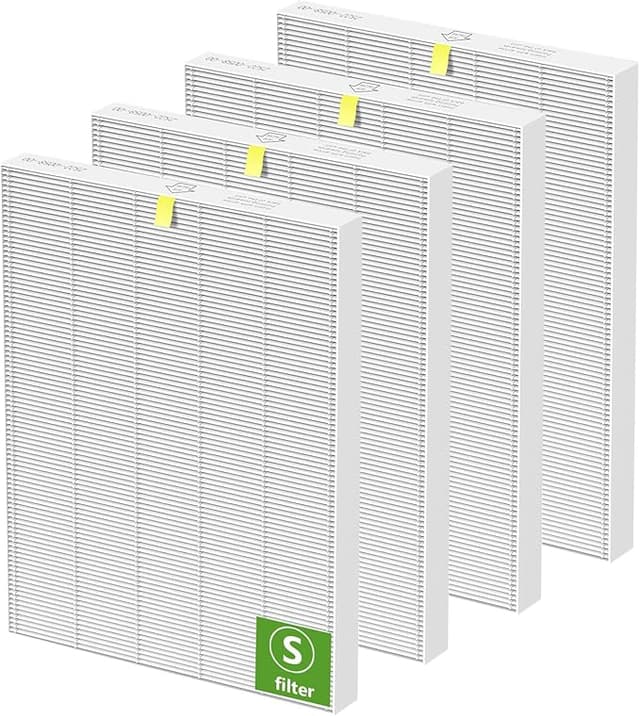
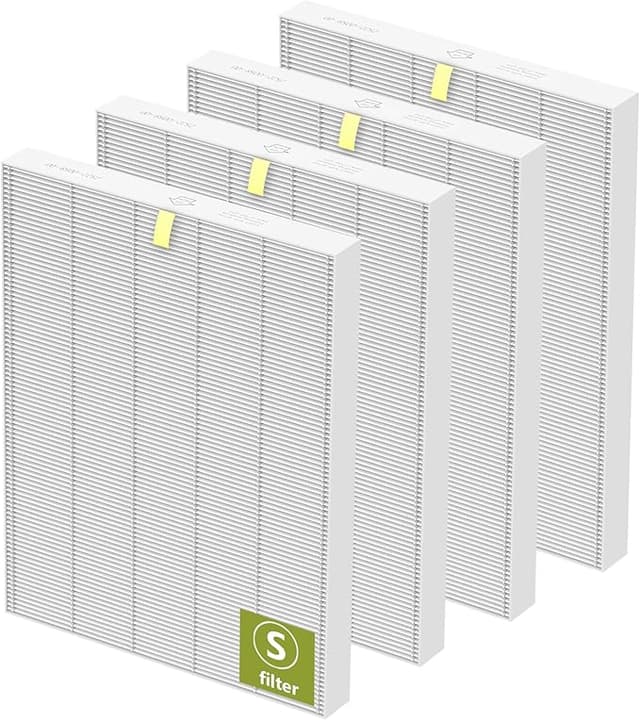
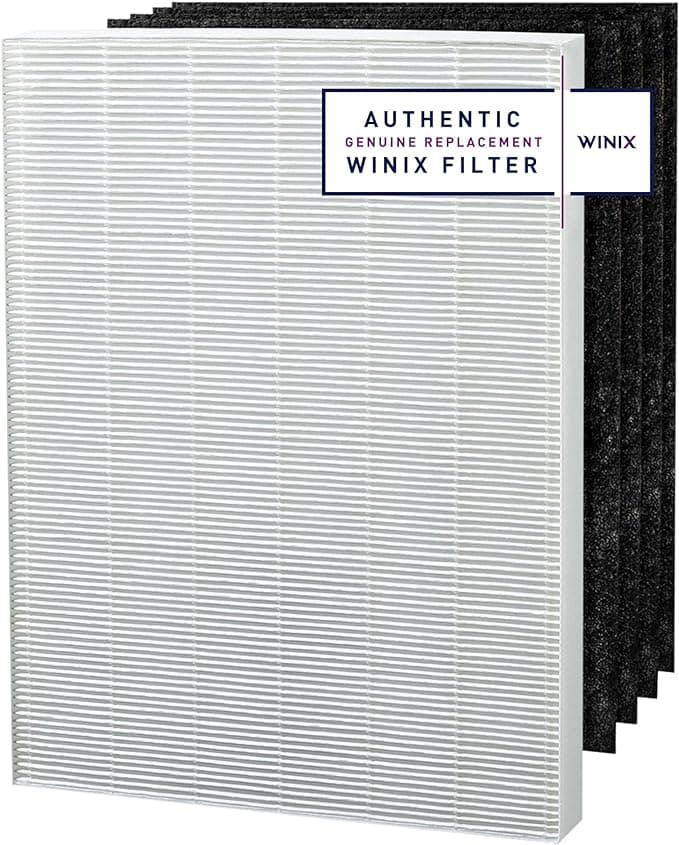
First thing I noticed wasn't the price. It was the sound. When I dropped the compatible Filter A into my Winix 5300 and pushed the front panel back on, it gave me that same little double-click the OEM one does — the seat-and-latch you feel more than hear. I'd been half-expecting a fight, some shimmy where I'd have to wiggle it to get the cover flush. Nope. Seated on the first try, panel snapped shut, done. I'd built the whole thing up in my head as risky and it took me maybe ninety seconds.
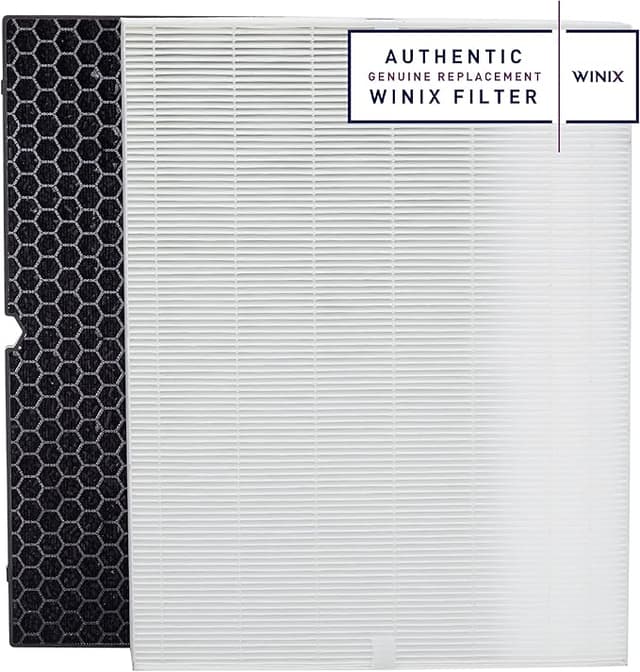
I should back up. I run a Winix 5300 in my bedroom — it's the one that lives next to the dresser and runs basically every night. The factory filter (the True HEPA plus that carbon pre-layer) had gotten to the point where the unit was ramping its fan up to medium on its own at 2 a.m. for no reason I could smell, which is usually the machine telling you the filter's loaded and it's working harder to pull air through. Time for a swap. So I went looking, and that's when the sticker shock hit.
The money, plainly
The genuine Winix replacement set for the 5300 runs me about $40 when I can find it on sale, closer to $48 at list. The compatible Filter A I bought was $22. That's not a rounding-error gap — that's roughly half. And on this unit you're realistically changing the HEPA about once a year (the carbon pre-filter sooner if you've got pets or cook a lot of garlic like I do). So over three years of owning this thing, I'm looking at maybe $66 on the aftermarket route versus $120-ish staying OEM. Fifty-some dollars I'd rather keep.
The one I got is sold as a True HEPA H13. For what it's worth, H13 is a genuinely tighter grade than the standard HEPA spec, so on paper it should grab the fine stuff just as well as the factory part. Paper is paper, though. I cared more about what four months in the room actually felt like.
What it's actually been like to live with
Honest answer: I can't tell the difference in the air. My nose isn't a lab, but the bedroom clears the same after I open a window on a pollen-heavy day, and the unit settled back down to its low overnight hum within a week of the swap — the 2 a.m. ramping stopped. The little built-in air-quality light goes blue and stays blue. That's the whole reason I run the thing, and it's doing it.
Install, if you've never done it: unplug it first (do this — it's a fan, respect it), pop the front, pull the spent filter, slide the new one in the same orientation, panel back on, then hold the reset until the filter light clears so the unit stops nagging you. That last step trips people up. If you skip the reset the indicator keeps glowing like the filter's already dead and you'll think you bought a dud.
Now the part the marketing pages skip
The plastic smell. For the first two, maybe three days, there was a faint new-plastic-and-cardboard odor coming off it on the higher fan speed. Not chemical-harsh, more like a new shower curtain. It faded and was gone by day four, but it's real and if you're sensitive you'll catch it the first night. I cracked the window and stopped noticing.
Two other things, smaller. The frame is a hair looser in the housing than the factory part — not loose enough to rattle or leak air around the edge, but if you run your finger along the seam you can feel it doesn't grip quite as tight as OEM. Hasn't caused me a problem in four months. And the packaging is cheap; mine showed up in a thin plastic sleeve with one corner of the cardboard collar already dented. The filter itself was fine, but it's not the tidy box the genuine one comes in.
Why I didn't just keep ignoring it
Here's the thing that actually changed my mind about cheaping out being fine. A loaded filter isn't neutral. Once that media is saturated, it stops being a trap and starts being a reservoir — the dust, the spores, the mold it caught while doing its job are all just sitting there in damp air, and a tired filter can shed some of that back into the room instead of holding it. So the worst move isn't buying the compatible one. The worst move is running any filter, OEM or not, six months past when it's done. A $22 filter you'll actually replace on time beats a $48 one you stretch to eighteen months because it hurt to buy.
So who should skip it
If your 5300 is still under warranty and you're the type who'd be furious if a third-party part gave Winix any excuse to deny a claim — buy the genuine one and keep your receipts. Same if you've got a real chemical sensitivity and three days of faint plastic smell is a dealbreaker. No judgment, that's a fair reason.
Everybody else? I've now bought this compatible Filter A twice. It clicks in right, the air light stays blue, the fan quieted back down, and it cost me half. The looser frame and the few days of break-in smell are the price of saving twenty-some bucks a year, and for my bedroom unit that trade is an easy yes. I'd buy it again — I did.