Troubleshooting & Analysis
The smell that told me my filter was dead
I noticed it on a Tuesday. Walked into my bedroom after work and there was this faint, sour-basement thing in the air — the Winix was running like always, fan humming, little blue ring glowing like everything was fine. It wasn't fine. I'd been pushing that filter way past where I should have, maybe eight or nine months on a thing rated for a year but living in a room with two cats and a window I never close. When I finally popped the front panel off the 2522-0, the HEPA pleats had gone gray-brown and there was visible fuzz where the white used to be. That sour smell? That was the filter handing back everything it had caught. A saturated filter doesn't just stop working — it becomes the thing polluting the room. Mold and bacteria that got trapped in there start breeding in the damp pleats, and the airflow pushes it right back at you.
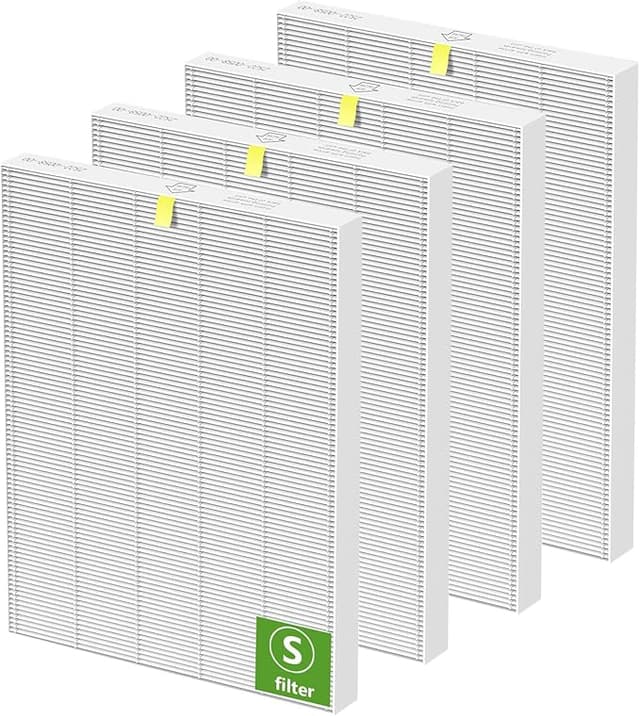
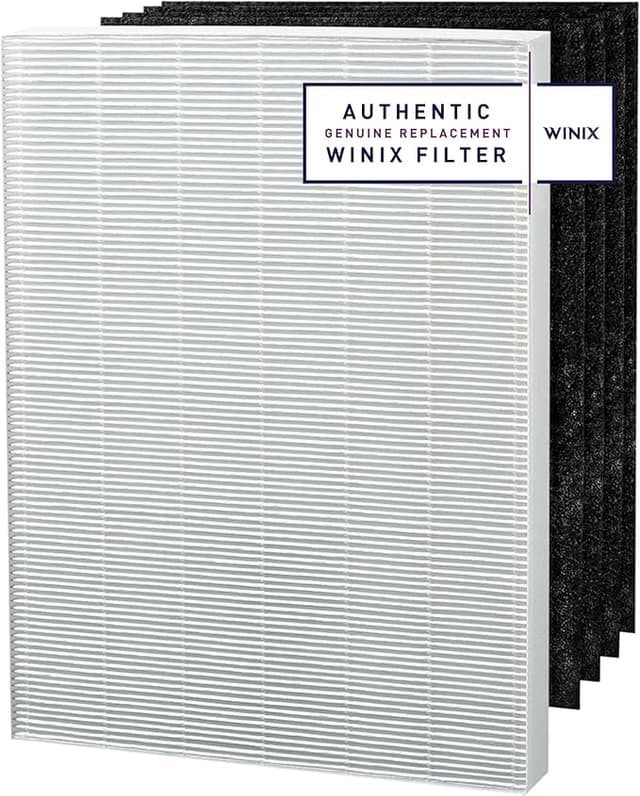
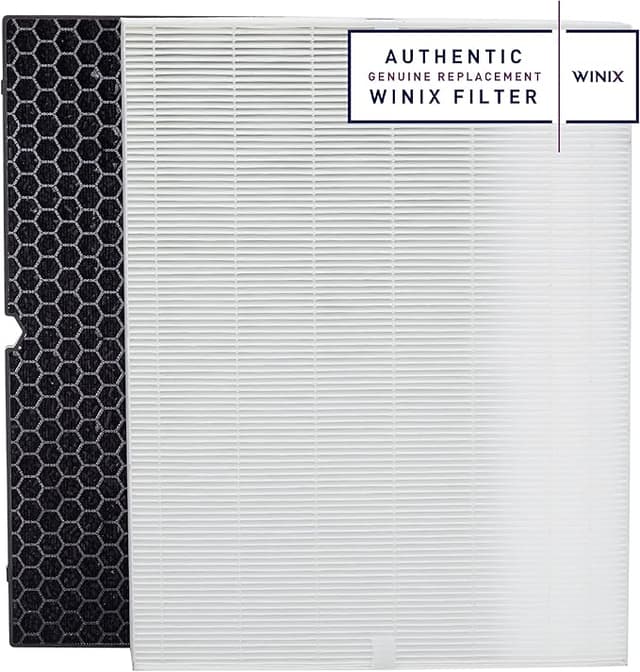
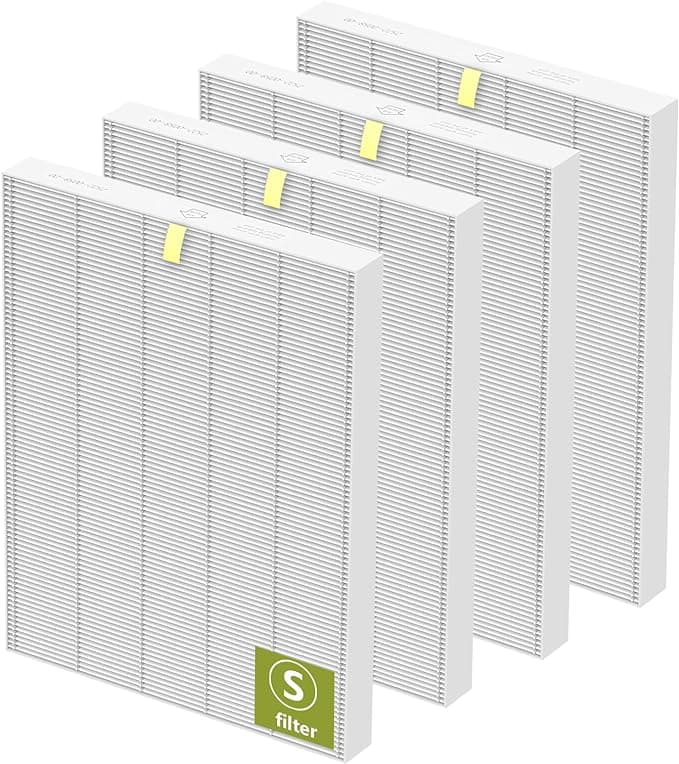
So I had a choice to make, the same one you're probably staring at right now. Winix wants real money for the genuine Filter S. And there's a compatible True HEPA H13 sitting next to it for about half that. I'd bought OEM the first two times out of pure nerves. This time I was annoyed enough to gamble on the cheap one.
The price math that actually changed my mind
Here's the thing nobody frames honestly. It's not "$40 versus $20" on one purchase — it's a recurring tax. If you're running this unit in a normal home and changing the filter roughly once a year like you're supposed to, the OEM path quietly costs you double, every single year, forever. Over the life of a 2522-0 that's not pocket change, it's a hundred-plus dollars you didn't need to spend. And the part doing the actual work — the HEPA media — is the same job either way: H13-grade, pulling down the fine particulate, the dander, the smoke. Once I saw it as an annual line item instead of a one-time buy, the nervousness mostly evaporated. Mostly.
Does it actually fit?
This was my real worry. Aftermarket filters that are a millimeter off ruin everything — air sneaks around the edges instead of through the media, and you're filtering nothing. I unplugged the unit, pulled the dead OEM filter (the install is genuinely four steps: unplug, swap, seat the new one, reset the light), and dropped the compatible H13 in.
It seated. There was a tiny bit of fiddling — the frame on the compatible one is a hair less rigid than the Winix original, so I had to press one corner to get it flush instead of it just dropping into place with that satisfying OEM click. But once it was in, it was in. No gap I could feel running a finger around the edge, no rattle when the fan spun up. Reset the filter light with a long press and the timer started over. Five minutes, start to finish.
Living with it for four months
I've had this one running since spring. On performance, honestly? I can't tell the difference in the air. Same overnight clarity, the particulate sensor on my separate monitor drops to the same low numbers it did with the genuine filter, and the unit doesn't have to ramp to high as often as it did in those last desperate weeks with the clogged one. For the everyday job — dust, dander, cooking haze drifting down the hall — it does what the OEM did.
Now the downsides, because there always are some.
- First three days, there's a plastic-and-cardboard smell. Faint, but it's there when the fan first kicks the new media around. It aired out completely by day four. If you're scent-sensitive, run it on high for an afternoon with a window cracked before you sleep next to it.
- The packaging is cheap. Mine showed up in a thin plastic sleeve, slightly crushed at one corner. The filter itself was fine, but it doesn't arrive feeling premium the way the boxed Winix one does.
- That looser frame. It works, it seals, but it doesn't have the same tank-like rigidity. I'd be a little more careful handling it during a swap.
The part I won't let you skip
Whatever you buy — OEM, compatible, doesn't matter — change it on schedule. My sour-bedroom episode happened because I treated "up to 12 months" as a suggestion. A loaded filter isn't a neutral, slowly-fading thing; past a point it flips and starts shedding what it caught. The good news is that the compatible filter being half the price actually makes me more disciplined about this, not less. When a replacement doesn't sting the wallet, I swap it on time instead of squeezing three extra guilt-ridden months out of an exhausted one. Cheaper filters, changed on schedule, beat expensive filters you're scared to replace.
Who should still buy OEM
I'll be straight: if your 2522-0 is under warranty and you're the type who'd be genuinely upset if a support rep pointed at a third-party filter as a reason to deny a claim, buy the genuine Filter S and sleep easy. That's a real, if rare, consideration. And if a few dollars a year truly doesn't register for you, there's a small comfort-tax argument for just staying OEM and never thinking about it.
For everyone else — which is most of us — I grab the compatible H13. Same air, same H13 media doing the same work, for about half the cost, which keeps me actually replacing it on time. I've now bought it twice. The faint break-in smell and the slightly floppy frame are the whole price of admission, and four months in, my bedroom doesn't smell like a basement anymore. That's the verdict I'd give a friend over text, and it's the one I bet my own lungs on.