Troubleshooting & Analysis
I didn't believe a $20 filter could be fine either
Here's the thing. I'd been running a Winix C909 in my home office for about a year, and when the filter light finally came on, I did what everyone does — searched the OEM replacement, saw the price, and physically winced. Forty-some dollars for a HEPA and carbon set, and the C909 chews through them faster than you'd like if you run it on auto in a dusty room. So I almost bought the cheap third-party one out of pure spite. Then I stopped. Because a $20 filter that's supposed to do the exact same job as a $45 one? That math always feels like a trap. Somebody's cutting a corner, and I figured the corner was my lungs.
I bought it anyway. Mostly to prove myself right. I've now had two of these compatible H13 sets in that machine over the better part of a year, and I was wrong — but not completely, so let me walk you through it honestly.
The price gap is real, and it adds up faster than you think
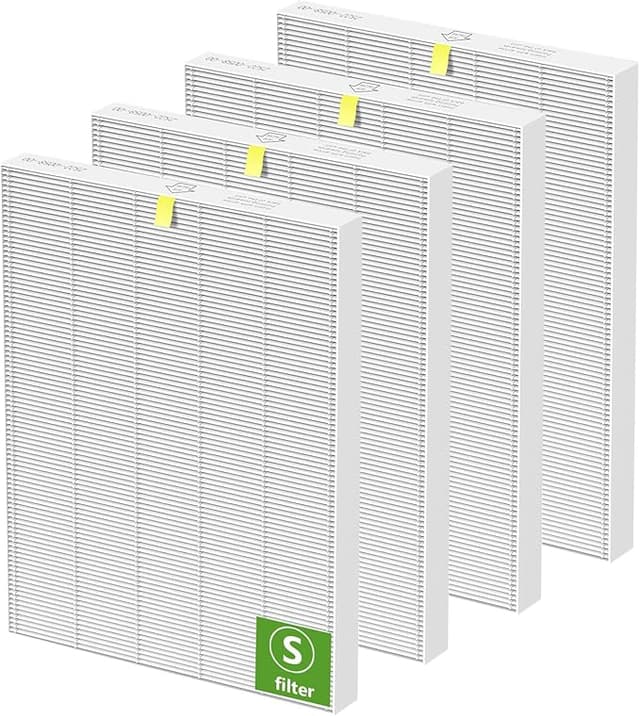
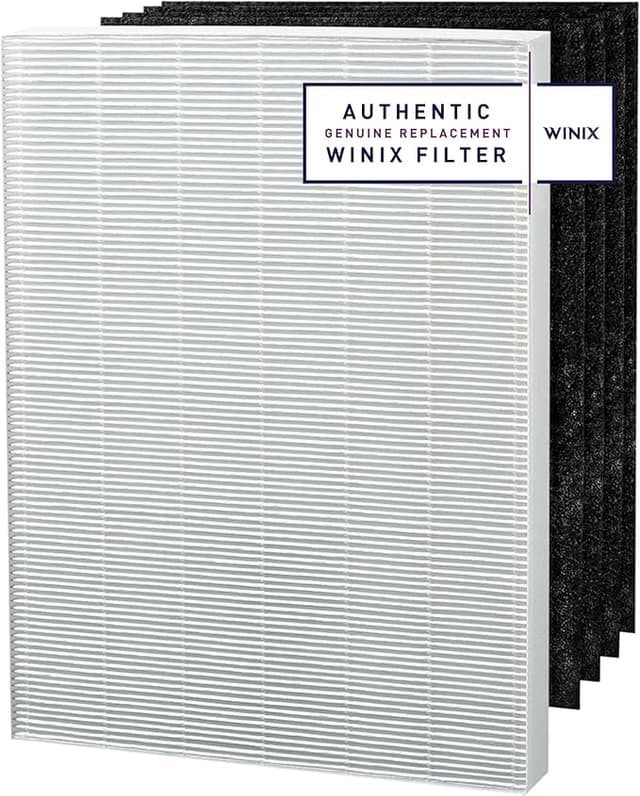
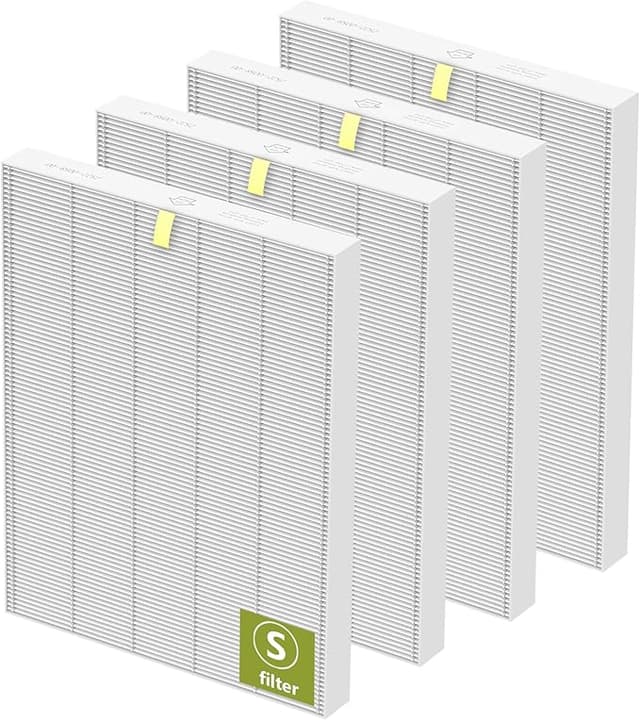
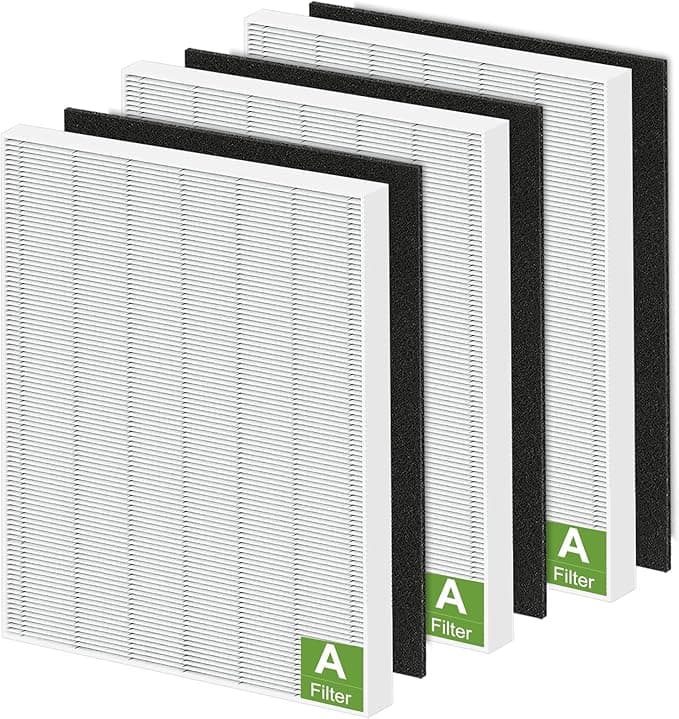
The OEM C909 filter runs around $40-45 a pop. The compatible True HEPA H13 set I've been using lands at roughly half that — call it $20. On a single replacement that's a $20-25 difference, which, fine, is a couple lunches. But the C909 isn't a once-a-year machine. If you're running it in a room with a pet, or you've got pollen season, you're swapping every 8-12 months, and the carbon pre-filter wears faster than that. Over three years I'd have spent maybe $135 on OEM. The compatibles put me around $60-70 for the same stretch. That's a real number, not a marketing one.
And here's the part that actually changed my mind on the spec: the compatible is rated H13. That's a genuine medical-grade tier — 99.97% at 0.3 microns. The OEM "True HEPA" is the same class. So I'm not paying double for a better capture rating. I'm paying double for the name printed on the cardboard frame.
Does it actually fit? Mostly yes — with one note
Install on the C909 is genuinely four steps and you do not need the manual. Unplug it. Pop the old filter out. Slide the new HEPA in. Hold the reset button until the filter light clears. Two minutes, no tools.
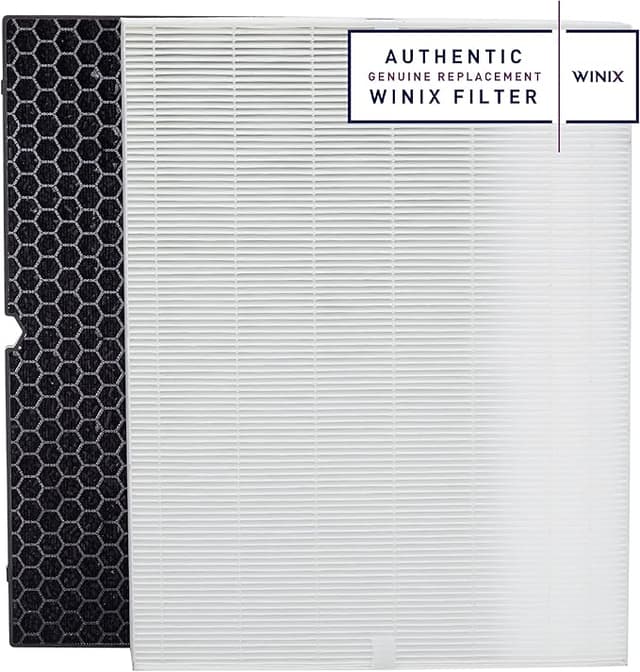
The fit is where you notice it's not OEM. The HEPA element seated fine — snug, sat flush, no gaps where unfiltered air could sneak around it, which is the thing I actually care about. But the carbon pre-filter wrap on my first set was cut maybe a hair generous, and I had to tuck one corner so the front grille clicked shut clean. Five seconds of fiddling. The second set I ordered seated perfectly, so it might've just been a one-off on that batch. Either way — check that the cover clicks fully closed, because a cover that's bowed out a millimeter means the seal isn't doing its whole job.
How it performs against the OEM I'd been using
This is the part I went in skeptical about, and it's the part that held up best. Same machine, same room, and I genuinely couldn't tell you which filter was in there by how the air felt. The C909's auto mode reads particulates and ramps the fan accordingly, and with the compatible installed the unit settled down to its quiet baseline at the same speed it always had. Cooking smoke from the kitchen cleared in about the same window. Cat dander season was the same low-grade non-event it'd been with OEM.
The one place I'd give OEM a slight edge: the activated-carbon layer. The compatible knocks down smell well for the first several months, but I felt like the OEM carbon held its odor-grabbing a touch longer into the filter's life. Not dramatically. If you're sensitive to cooking or pet odor specifically, that's the gap to know about. For dust, pollen, and general particulate — the stuff most of us actually run a C909 for — I noticed nothing.
The honest downsides
There's a faint plastic-and-new-filter smell for the first two or three days. It's the off-gassing from fresh packaging, it's mild, and it was gone by day three both times — but if you put a fresh one in right before guests come over, you'll catch it. The packaging itself is cheap; thin plastic sleeve, no fancy box, which honestly I don't care about but you should know you're not getting a premium unboxing. And as I said, watch the frame fit on first install.
Why I keep harping on the seal and the swap interval: a saturated filter isn't a neutral filter. Once a HEPA loads up past its life, it stops grabbing efficiently and the trapped organic gunk — mold spores especially, in a humid room — has somewhere to live and multiply. At that point your purifier is just blowing old captured junk back at you. That's true of OEM and compatible alike. The cheap filter doesn't change that math; not changing it on time does.
Who should buy which
If your C909 is under warranty and you're the type who'd lose sleep over whether a third-party part voids something, or if odor control is your single biggest reason for owning the thing — buy the OEM, sleep easy, it's a fine product and the carbon edge is marginally real.
For everyone else? I run the compatible H13 in my own machine, the one in the room I sit in eight hours a day, and I've reordered it. Same capture class, fits when you seat it right, half the price, and the only things I gave up were a fancier box and a day or two of faint new-filter smell. For twenty bucks less doing the identical job — I'd buy it again. I have.