Troubleshooting & Analysis
I didn't believe a $20 filter could be fine either
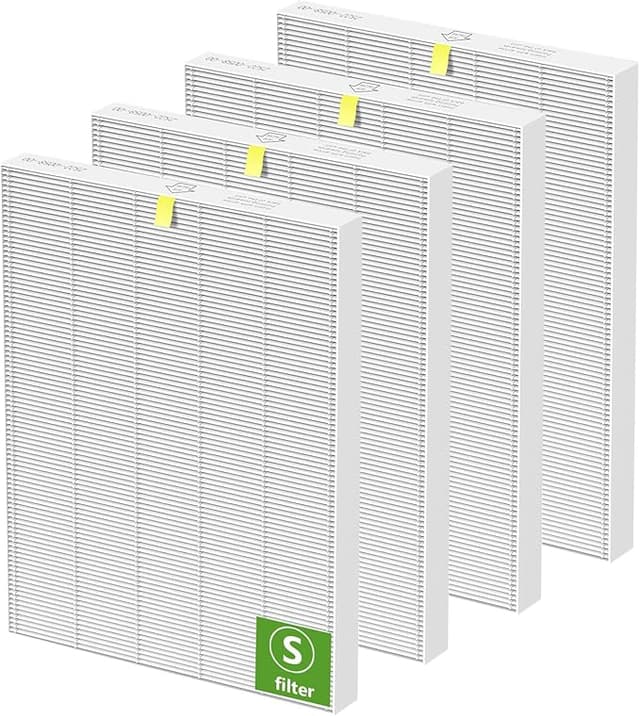
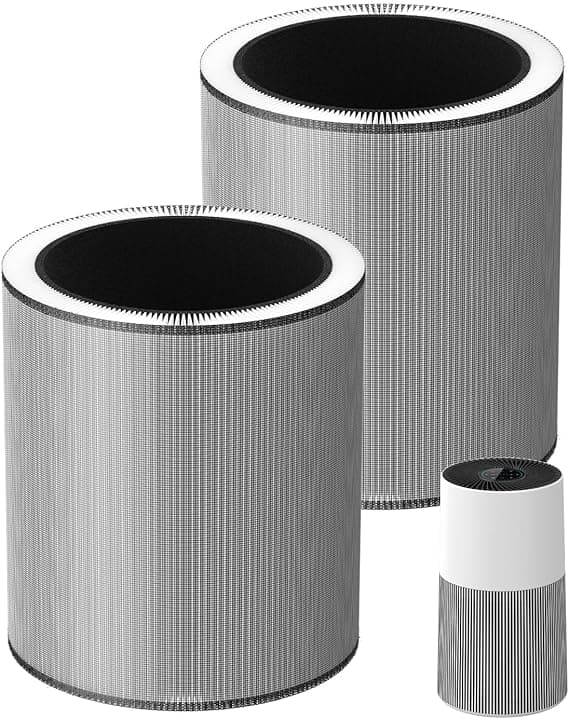
Here's the thing I'll admit up front: I bought the cheap one expecting to be annoyed. I'd run a genuine Winix filter in my C610 for a year, watched it turn that gross gray-brown color filters get when they've actually been working, and when it came time to replace it I balked at the price. Then I saw a compatible Filter Z replacement for roughly half the cost and I thought — okay, this is where I learn an expensive lesson about buying garbage online.
I was wrong, and I've now run three of them. Let me walk you through exactly why, including the parts that aren't perfect.
The math that made me try it in the first place
The C610 is one of those machines that's cheap to buy and quietly expensive to keep. The filter is the razor; the blades cost you forever. A real replacement runs high enough that, on the recommended swap schedule, you're paying a real chunk every year just to keep the thing breathing. The compatible Filter Z came in at about half. Same True HEPA H13 spec on the box — and H13 is the real grade, the one that's supposed to grab the fine stuff down past 0.3 microns, not the watered-down "HEPA-type" you sometimes get bait-and-switched into.
Cut your filter cost in half and run it the same number of times a year, and the savings aren't a rounding error. That's a tank of gas, every cycle. That number is the only reason I clicked buy.
Does it actually fit, or do you fight it?
This was my real worry. A filter that's a millimeter off doesn't seat, and an air purifier with a gap is just a loud fan. So I'll tell you precisely how the swap went.
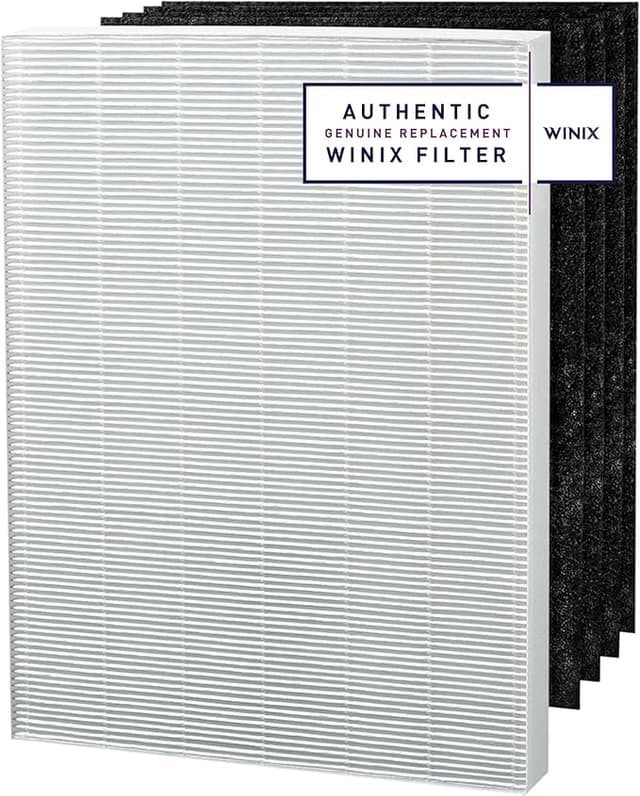
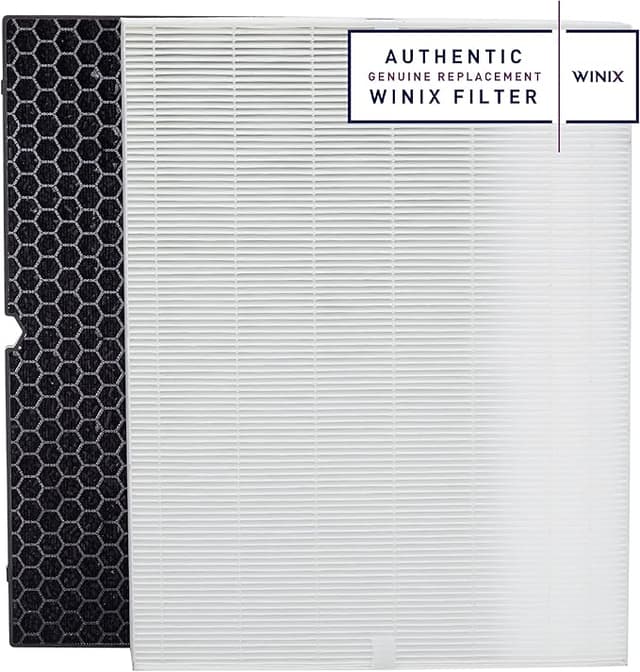
You kill the power first — pull the plug, don't just hit the button, the C610 has that habit of staying half-awake. Pop the front, lift the old filter out, and here's where I held the new Filter Z next to the old genuine one to compare. The carbon pre-layer, the pleat depth, the frame size — all matched. It slid into the slot and gave me that little seat-and-stop you feel when something's actually in its track, not floating. Closed the front, plugged back in, held the reset until the filter light cleared.
One honest note on fit: the frame is a hair looser than the genuine one. Not loose enough to rattle or leak — it sat flush and the front panel clicked shut with the normal resistance — but if you wiggle it with the cover off, there's a touch more play than OEM. After three filters I've stopped worrying about it. It hasn't shifted, hummed, or whistled in months of running. But you asked me to be straight, so: it's there.
How it actually performs
I run mine in a bedroom that backs onto a busy road, so there's road dust and, in spring, enough pollen to make me a decent test subject. Within the first night the air had that scrubbed, slightly flat quality you get from a working HEPA stage — same as I remembered from the genuine one. The auto sensor on the C610 spent less time spun up at full speed after a day or two, which tells me the filter was actually pulling the load down, not just spinning.
Where's it a touch behind? If I'm splitting hairs, the genuine carbon layer knocked down cooking smells maybe a beat faster. With the Filter Z, frying fish lingered a few extra minutes before the unit caught up. Small. Honestly, if I hadn't run both back to back I might not have clocked it. For dust, dander, and pollen — the stuff most of us actually buy this machine for — I genuinely could not tell them apart.
The downside nobody warns you about
For the first two, maybe three days, there's a faint plastic-and-new-carbon smell. Not chemical-harsh, not headache territory — more like a new shoebox. I ran the unit on high for a few hours with the bedroom window cracked and it was gone by day three and never came back. If you're scent-sensitive, install it in the morning and let it run while you're out, not right before bed. The packaging's also cheap — a thin plastic sleeve, none of the molded cardboard the genuine one ships in. Doesn't affect the filter. Just don't expect it to feel premium when it lands on your doorstep.
Why you can't just skip the swap
One thing I won't soft-pedal: a dead filter isn't neutral, it's worse than nothing. Once the media is saturated, it stops trapping and starts holding — and a packed HEPA layer in a warm, slightly humid room is exactly where trapped mold and gunk can start to colonize. At that point your purifier is quietly blowing the bad stuff back at you. That's the actual reason the cost-per-year matters: if a cheaper filter means you'll actually replace it on schedule instead of stretching a pricey one three months too long, the compatible one is doing more for your air, not less.
So who should buy what
If your C610 is under warranty and you're the type who'd blame an aftermarket part the second anything goes sideways — buy the genuine filter, sleep easy, pay the tax. Same if you cook heavily and want that carbon layer at its absolute sharpest.
For everyone else? I didn't trust this thing, I tested it against the real one in my own bedroom, and it pulls the same H13 duty for half the money. The looser frame and the three-day break-in smell are real, and now you know about both. But for the price gap, doing the job it's supposed to do, I'd buy it again — and I already have, twice.