Troubleshooting & Analysis
I almost paid $80 for a filter. Then I did the math.
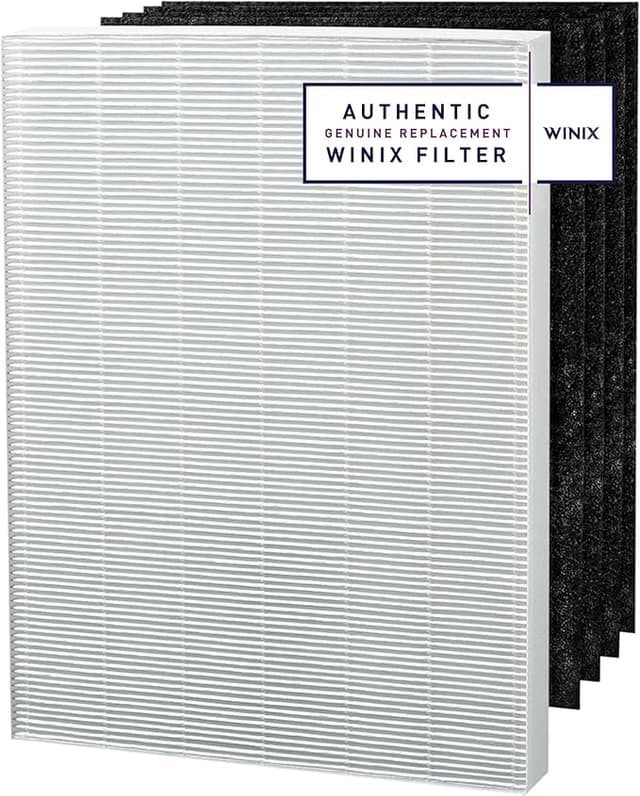
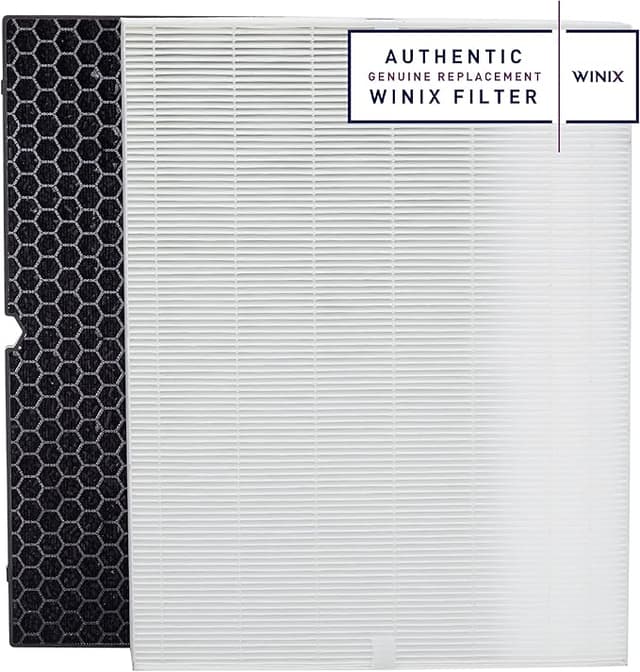
Here's the number that stopped me cold: the official Winix replacement set for the 5500-2 runs around $80 a pop, and Winix wants you swapping it once a year. The carbon pre-filters are extra. Run that out over the life of the unit and you've spent more on filters than you did on the purifier itself. I sat there in the Amazon cart, finger hovering, doing that gross little calculation everyone does — am I really about to pay luxury-skincare money for a folded sheet of pleated paper?
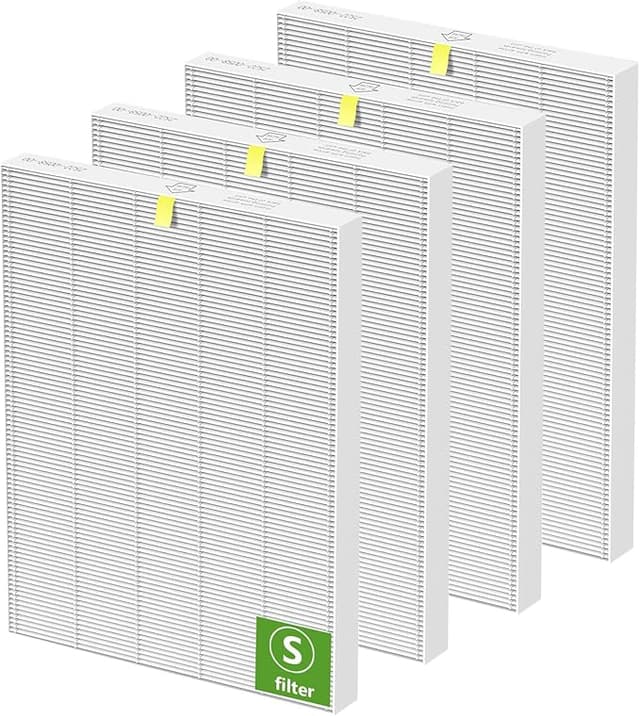
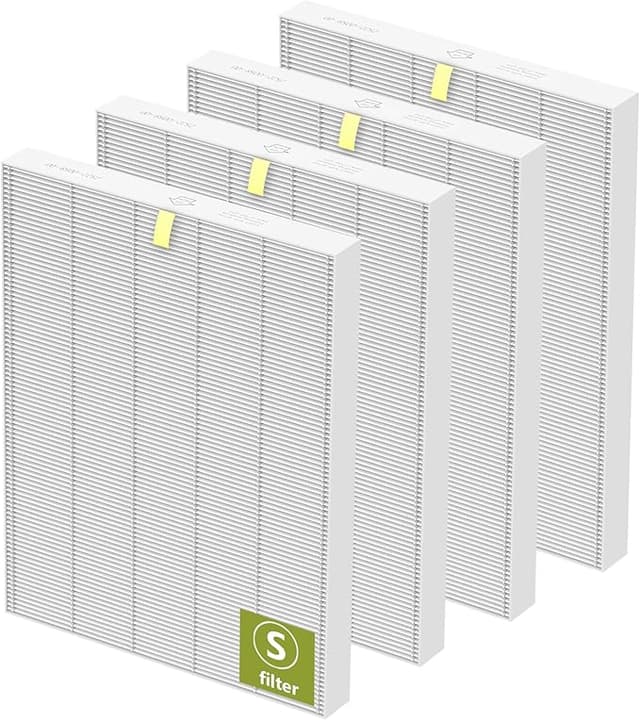
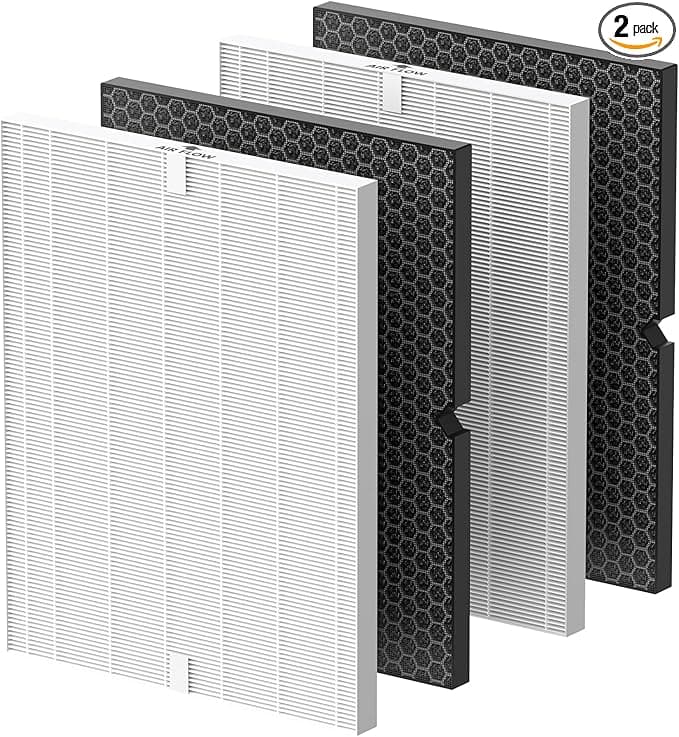
I wasn't. I bought the compatible Filter H instead, the True HEPA H13 version, for roughly half. And I've now run it long enough in my actual bedroom to tell you the unglamorous truth about what that fifty-percent discount actually costs you. Spoiler: less than you'd think, but not nothing.
The price gap, in real annual terms
The 5500-2 is the unit a lot of people own — it's the one Wirecutter pushed for years, so there are millions of them humming in bedrooms. The catch nobody mentions at purchase is the recurring tax. OEM filter, once a year, plus you're supposed to be vacuuming or replacing the carbon layer every few months. Call it $80–$90 a year if you stay strictly on Winix's schedule.
The compatible H13 filter I bought lands at right about half that. Same fit, same True HEPA grade — H13, which actually traps a touch finer than the H11/H12 some cheap knockoffs quietly ship while still printing "HEPA" on the box. So over three years I'm looking at well over a hundred dollars saved, doing the identical job. That's the whole pitch, and it's a real one. But let me get into where my money actually went.
Does it seat right? Mostly — with one fiddle
Install on the 5500-2 is genuinely a four-step thing and I'm not going to pretend otherwise. Unplug it. Pop the front cover, pull the old filter and its frame out. Slide the new HEPA in behind the carbon pre-filter. Hold the reset button until the filter light quits nagging you. Two minutes, no tools.
Here's my honest fit note, though. The frame on the compatible one is a hair less snug than the Winix original — there's the faintest bit of play before the front cover clicks shut and pins everything in place. The first time I felt that little wiggle I'll admit I second-guessed the whole purchase. But once the cover's latched, the filter's pinned flush against the intake and there's no gap for air to sneak around. I checked. Held a tissue to the seams with the fan on high — no leak whistling past the edges. So the looser frame is a manufacturing-tolerance thing, not a performance thing. Annoying to the touch, irrelevant in use.
Performance: where it matches, where it lags a step
On the stuff that matters I genuinely can't tell it apart from OEM. I keep a cheap particulate meter on the dresser — nerdy, I know — and when I cook something smoky in the next room and the auto-mode kicks the fan up, the PM2.5 number drops back to single digits at basically the same pace it did with the Winix filter. The H13 media is doing its job. Pet dander, the spring pollen that turns my eyes to sandpaper, the general bedroom funk — handled.
Where it's a touch behind: the carbon/odor layer. The compatible one knocks down smells fine for the first stretch, but I'd say the OEM carbon held onto strong kitchen odors maybe a couple weeks longer before it started letting things through. If your main reason for running this thing is heavy odor control — you've got a litter box in the room, you cook a lot of fish — that's the one spot where OEM has a slight edge. For straight particulate air cleaning, which is what most of us bought a HEPA unit for, it's a wash.
The downside I want you to actually hear
The break-in. For the first two or three days there was a faint plastic-and-cardboard smell off the new filter when the fan ran. Not chemical-harsh, just that fresh-packaging note. I ran the unit on high with the window cracked for an evening and it was gone by day three and hasn't come back. The packaging itself is also cheap — thin plastic sleeve, a box that arrived a little crushed. None of that touches the filtration, but if you're someone who reads "premium" on the listing and expects premium unboxing, calibrate down. You're paying for media, not presentation.
Why you don't want to stretch this past its date
One thing I won't soft-pedal, OEM or compatible: a saturated HEPA filter isn't just "less effective," it flips on you. Once the media is packed with trapped gunk, airflow drops and moisture plus all that captured organic material becomes a place where mold can actually take hold and multiply — and then your purifier is quietly puffing spores back into the room it's supposed to be cleaning. That filter light isn't a suggestion. The upside of the half-price filter is precisely that it's cheap enough that you'll actually swap it on schedule instead of guiltily nursing an $80 one for eighteen months because it hurt to buy.
So — OEM or this?
Buy the genuine Winix filter if you're under warranty and paranoid about voiding it, or if knocking out heavy persistent odors is the entire point of the machine for you. Those are real cases and I'm not going to talk you out of them.
For everyone else — which is most of us, running the 5500-2 for everyday dust, dander, smoke and allergens — I grab the compatible H13 and I've stopped feeling clever about it because it's just become the normal thing I do. Looser frame, three-day break-in smell, slightly shorter odor life. That's the full list of compromises. Against half the price, on a filter you're going to throw away in a year anyway? I've bought it again, and I'll buy it again next spring.