Troubleshooting & Analysis
Standing in the aisle with two boxes
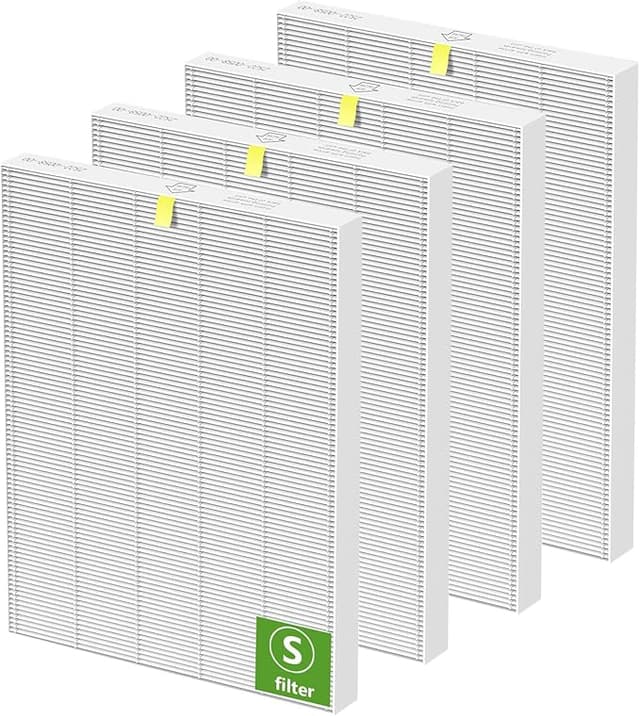
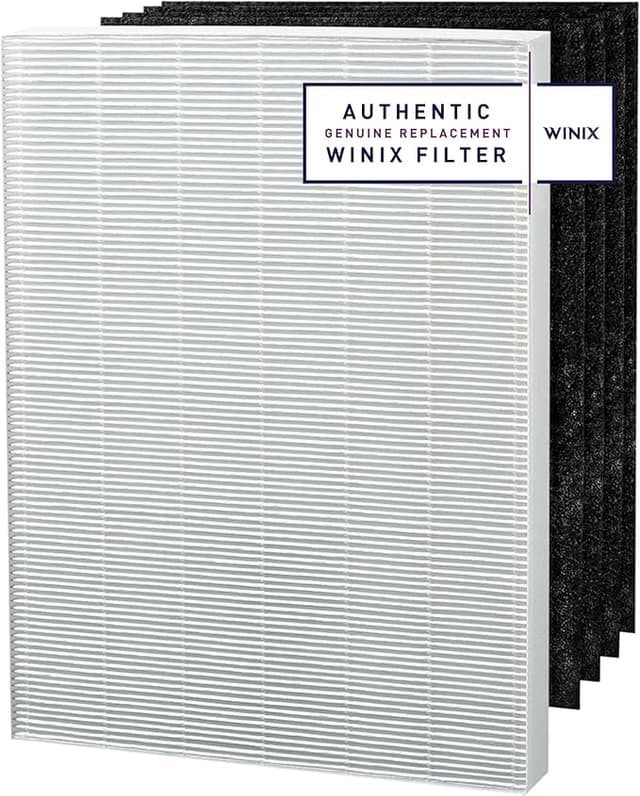
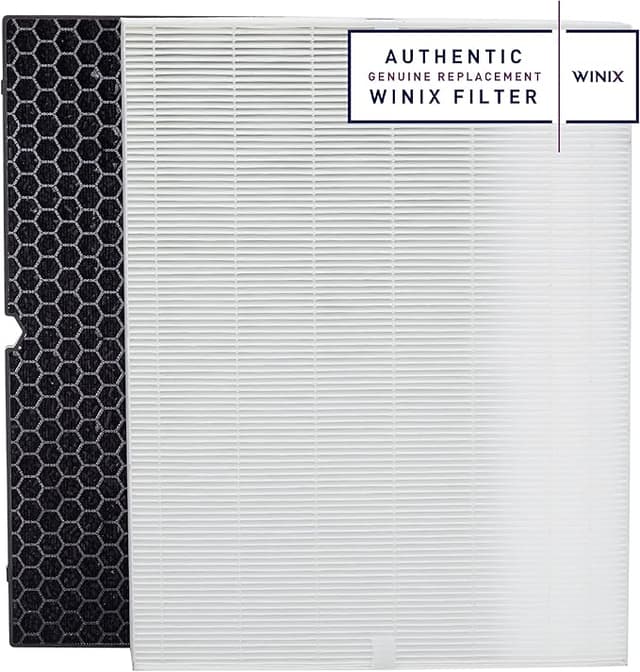
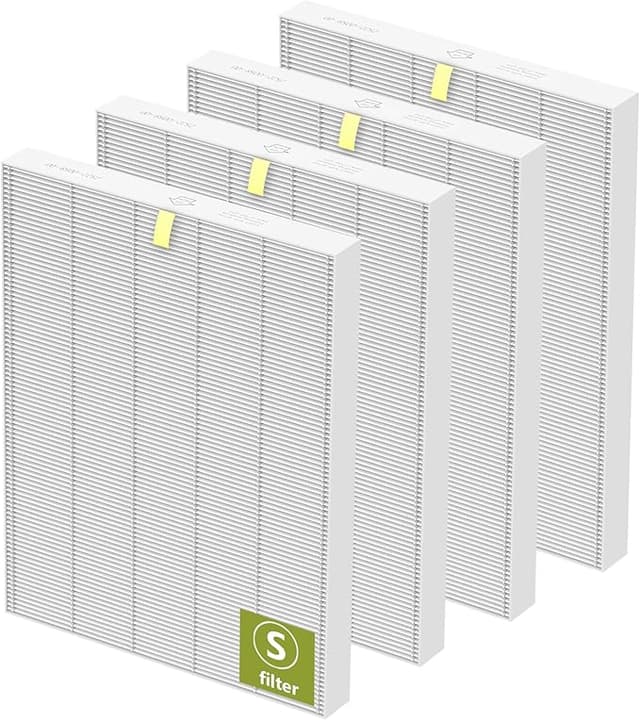
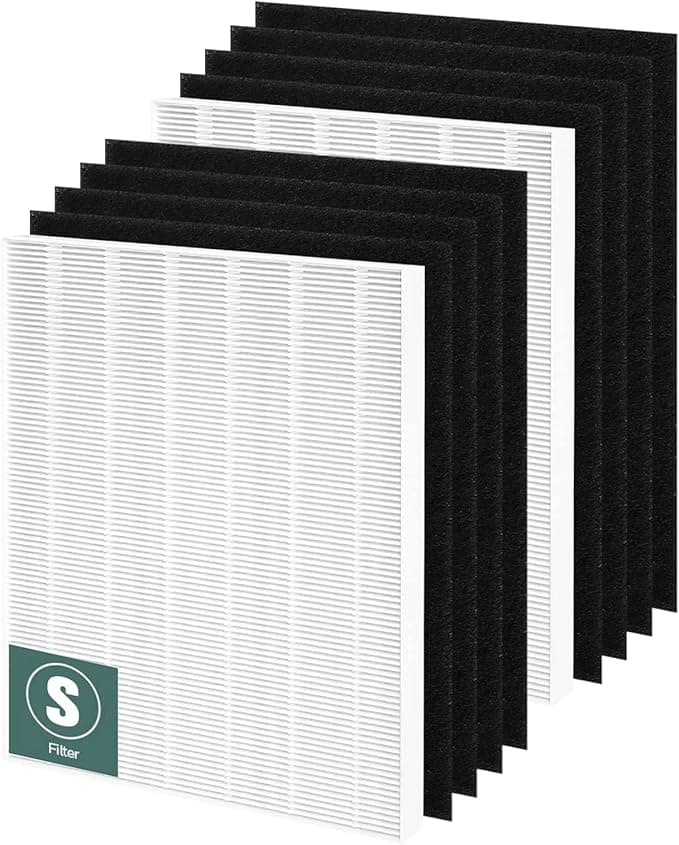
I had both in my hands. The genuine Winix Filter S box — $49 at the time — in my left, and a compatible H13 set for $24 in my right. And I just stood there in the middle of the store like an idiot, doing the math and the worrying at the same time. The 2522-0 isn't a cheap unit. You don't want to feed it garbage. But forty-nine bucks, twice a year, for what's basically a pleated sheet of fiber and some carbon? Something about that never sat right with me.
I bought the cheap one. Then I drove home half-convinced I'd just wasted twenty-four dollars and would be buying the real one next week anyway. That was about seven months ago. I'm on my second compatible filter now, and I never did buy the OEM. Here's the honest rundown of why.
The money, since that's why you're here
The genuine Filter S runs you roughly $45 to $50 depending on where you catch it. The compatible one I've been running is about $22 to $25. Winix says replace every twelve months; in a normal bedroom with no pets and no smokers, that's about right, maybe a touch longer. Push it if you've got a dog or you're near a wildfire summer and it's more like eight or nine months.
So call it one filter a year if you're easy on it, closer to two if you're not. On the OEM that's $50–$100 a year forever. On the compatible it's $24–$48. Over the life of the machine — these 2522 units run for years — you're looking at a couple hundred dollars saved, easy. That's not nothing for a part you throw in the trash.
Does it actually fit the 2522-0?
This was my real fear. A filter that's 2mm off doesn't seat, air sneaks around the edges, and you've basically got an expensive fan. So I paid attention.
The install is dead simple and the same as OEM: unplug it first (do this, don't be lazy), pop the front cover, slide the old filter out, drop the new one in. The compatible H13 went in with the same little resistance the genuine one has — that slight push where it tucks behind the lip. Cover snapped back on. Then reset the filter light, which on this unit means holding the button until it stops nagging you.
Now — full honesty. The frame on the compatible is a hair less rigid than the Winix one. Not loose, not rattling, but if you handle a genuine Filter S and then this one back to back, you can feel the OEM is a slightly stiffer plastic edge. In the machine, seated, with the cover on? I couldn't find a gap, couldn't feel bypass air at the seams. It does its job. But I'll mention it because the difference is real and you'd notice it if you looked.
How it actually performs
The thing that matters: it's a True HEPA H13. That's the same grade as the genuine filter — H13 captures down to the fine stuff, 0.3 micron, the pollen and dust and smoke particles you actually care about. This is not one of those "HEPA-type" fakes that are really just glorified screens. Check the listing says H13 and you're getting the real spec.
In use, my room's air feels exactly the same as it did on the Winix filter. I run a little particle meter when I get nerdy about it, and the numbers drop just as fast. Where I'll give the OEM a slight edge: the carbon layer on the genuine one knocks out cooking smells maybe a touch quicker. The compatible's carbon is there and it works, but if I burn something in the kitchen, the OEM cleared it a little faster. We're talking minutes, not a different league.
The downsides, because there always are some
First few days, there's a faint plastic-and-cardboard smell when the unit kicks to high. It's the packaging and the fresh carbon off-gassing. Annoyed me for about two days, then it was gone completely. Run it on high with a window cracked the first afternoon and you'll skip most of it.
The packaging itself is cheap — thin plastic sleeve, a box that arrived a little crushed. Doesn't affect the filter, but it doesn't feel premium the way the Winix-branded box does. And the filter-life indicator on your 2522-0 is just a timer, not a real sensor, so it'll light up on schedule regardless of which brand you put in. Reset it after you swap and don't overthink it.
Why you can't just skip this
One thing I won't soft-pedal: a dead filter isn't neutral, it's actively bad. Once that media is saturated, it stops grabbing new particles and the trapped gunk — dust, mold spores that settled in there — can start getting pushed back out into the room. A clogged filter turns your purifier into something that just stirs the bad air around. So whatever you buy, the worst choice is running a tired filter six months too long to save money.
Who should buy the genuine one
If you've got a serious allergy or asthma situation where you need every percent of carbon odor control, or you just sleep better knowing it's factory Winix and the small stuff bothers you, buy the OEM. No shame in it. That's a real reason.
For everyone else — and that's most of us — this is the one I grab. Same H13 grade doing the same job in my actual bedroom, for half the price, with a faint break-in smell and a slightly cheaper frame as the only real trade-offs. I stood in that aisle worried I'd regret the cheap box. Seven months and a clean-running 2522-0 later, I bought it again. That's the whole verdict.