Troubleshooting & Analysis
I didn't believe a $20 filter could be fine either
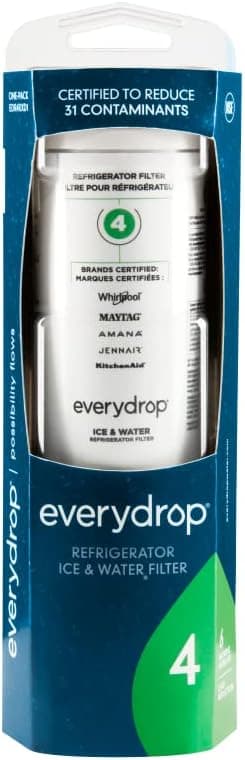
Look, I'll be honest about where I started. The first time my Whirlpool fridge flashed the filter light, I went straight to the brand-name box — Filter 4, forty-something dollars, done. Felt safe. The second time, I stood in the aisle holding the OEM in one hand and a compatible Filter 4 for about half the price in the other, and I thought: there's no way the cheap one is actually the same. Something's gotta be wrong with it. Thinner carbon. Worse seal. Tap water with a fancy sticker.
So I bought the compatible one specifically to catch it failing. That was the plan. Run it, find the flaw, write the warning. Instead I've now run these in my kitchen fridge for the better part of a year, and I keep buying them. Here's everything I noticed — the good and the genuinely annoying.
The math that made me try it
The OEM Filter 4 runs in the low-to-mid forties most places, and Whirlpool wants you swapping it every six months. So that's roughly $80 to $90 a year just to keep clean water and clear ice. The compatible version I've been buying is right around half that — call it 50% off, NSF-rated, same job. Over a year you're saving a tank of gas and a couple of lunches. Over the five or six years you'll own the fridge? That's real money, not couch-cushion change. That gap is the whole reason I was suspicious in the first place. Nobody undercuts the brand by half unless something's cut, right?
Turns out the thing being cut is mostly the logo and the marketing budget.
Does it actually fit and seat right?
This was my big fear. A water filter that's a millimeter off doesn't just annoy you — it can drip, or it won't lock, or worse, it bypasses and you're drinking unfiltered water thinking you're filtered. The Filter 4 installs the dead-simple way: twist the old one out, push the new one in, twist to lock. On the compatible, the twist-and-lock click was there. Definitely there. I'll say the frame felt a hair less precise than OEM going in — a tiny bit of play before it caught — but once it seated, it seated. No drip, no weep, no wobble. I checked the housing for moisture obsessively the first week because I was waiting to be proven right. Stayed dry.
One thing the box won't stress enough and I will: flush it. The instructions say run about three gallons through before you drink, and they mean it. Skip that and your first few glasses taste like a balloon and spit air at you. Run the water, fill and dump a few pitchers, let the ice maker cycle once and toss that first batch. After that flush the water was clean and flat-tasting in the good way — no off notes.
Performance, the honest version
Water taste: I genuinely cannot tell this apart from the OEM in a glass. Crisp, no chlorine bite, no metallic edge. My wife couldn't either, and she's the one who notices when I switch coffee beans. Ice came out clear, not cloudy, no weird smell soaking into it from the freezer.
Where's it a touch behind? Two small things. One, I think the OEM holds its peak a little longer at the tail end of the cycle — around month five I felt like flow had dropped a smidge more than I remembered the brand one doing. Not dramatic, just a nudge. Two, the carbon capacity feels honest-to-its-rating but not over-built, so I personally swap these a couple weeks early rather than riding the light to zero. At this price, swapping a little early costs me nothing and keeps the water at its best.
The downsides I promised you
The packaging is cheap. Thin printing, a slightly crooked label on one of mine, the kind of box that tells you exactly where the savings came from. Doesn't touch the filter media, but if a premium unboxing makes you trust a product, brace yourself.
And that break-in smell — for the first day or two after install there's a faint plastic-ish note if you sniff the filter housing. It flushes out completely once water's been running through it, but it's there at the start. The OEM has a whisper of this too, honestly, just less.
Why a dead filter is the real risk — not a cheap one
Here's the part people get backwards. The danger isn't a compatible filter. The danger is an expired filter, OEM or not. Once the carbon's spent, it stops blocking the stuff it's supposed to catch and you're essentially drinking tap quality through your fridge while the light scolds you. A fresh compatible Filter 4 doing its job beats a six-months-overdue brand filter every single day. The cheaper price is actually what keeps me swapping on schedule instead of stretching it "one more month" to dodge a $45 hit.
Who should still buy OEM — and what I do
If you're inside a warranty window that specifically demands branded consumables, or you've had a bad experience with a no-name seal on this exact fridge, pay up and sleep easy. No argument from me. Same if a few extra weeks of peak flow at end-of-cycle genuinely matters in your house.
But me? I came in trying to bust the cheap one and it quietly did the job for half the cost, twist-locked tight, kept my water clean and my ice clear. So I grab the compatible Filter 4, flush my three gallons, swap it a little early, and pocket the difference. I've done it three cycles running now — and I'll do it again next time the light blinks.