Troubleshooting & Analysis
Sixty-five dollars. For one water filter.
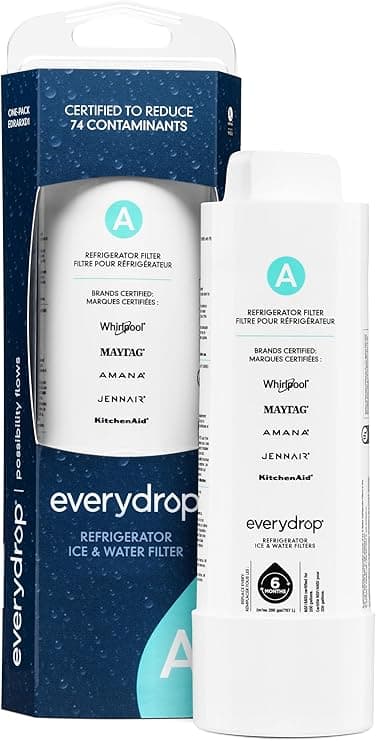
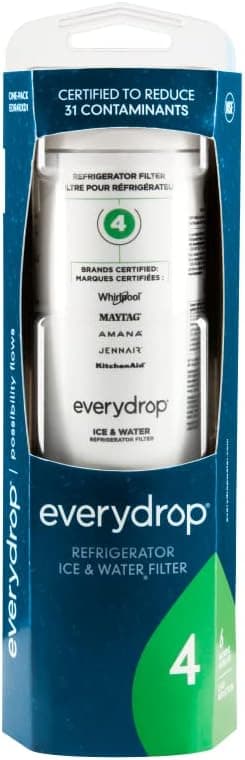
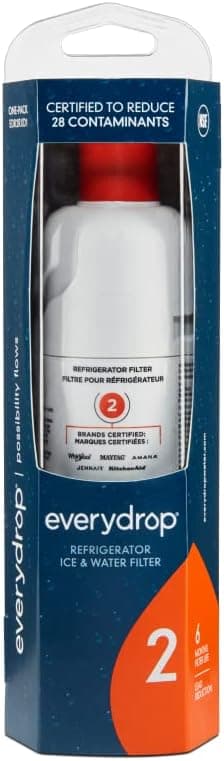
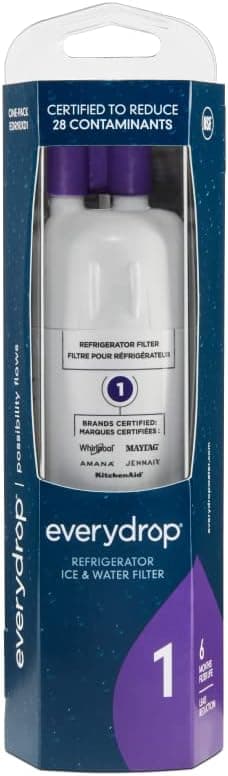
That was the number staring back at me the first time my EveryDrop fridge flashed its little red filter light. Sixty-five bucks at the appliance store, and the box was the size of a soda can. I stood there doing the math nobody wants to do — three or four of these a year, so call it two hundred-plus dollars annually just to keep the ice from tasting like the back of a hose. For water that already comes out of my tap for basically free.
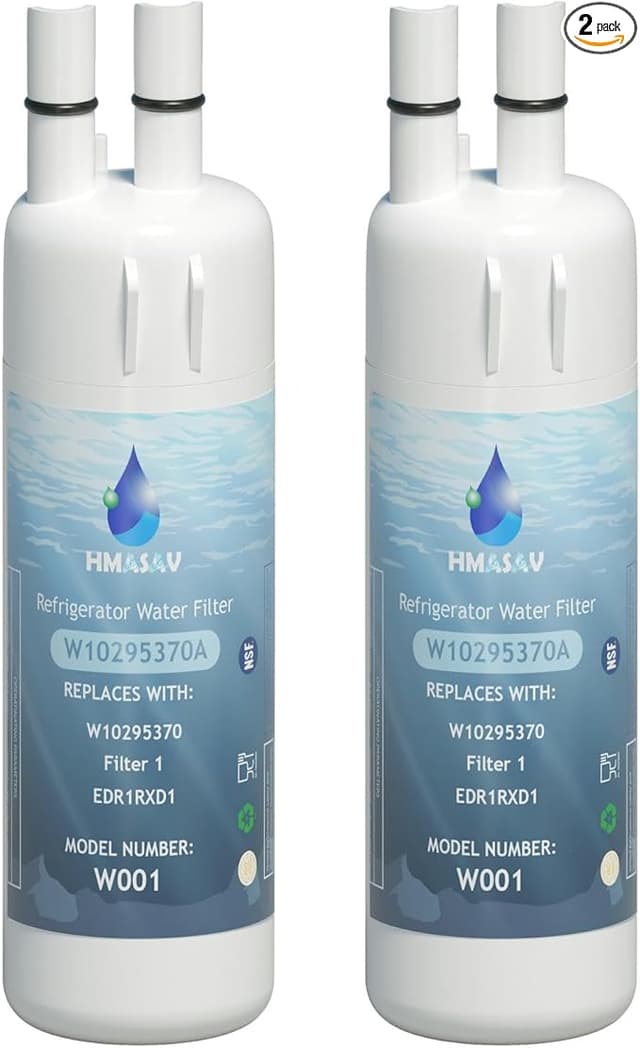
So I did what got me into testing these things in the first place. I bought the compatible one instead. The EveryDrop-style "Filter 1" replacement, NSF-rated, for right around half the price. And I've now run a few of them through my Whirlpool over more than a year, so here's the honest rundown before you click buy on either.
The price gap is the whole story
Let me be specific, because vague savings claims are worthless. The genuine Filter 1 hovers in the high-fifties to mid-sixties depending on where you catch it. The compatible version I keep buying runs about half that. On a single filter that's thirty-ish dollars. But you don't buy one a year — the fridge wants a fresh one roughly every six months, and honestly mine starts nagging closer to every five with how much water my household pulls. So over a year you're comparing maybe $120 to $60. Over the life of the fridge? That's real money. That's a couple tanks of gas every single year going to a logo printed on a plastic cartridge.
Does it actually fit?
This was my worry too, the first time. A water filter that almost seats is worse than no filter — you get bypass, drips, the works. So I paid attention.
The install is the same dance as OEM. You twist the old cartridge to release it, slide the new one in, twist to lock. On my unit the compatible filter clicked home with that same firm quarter-turn, no wobble, no fighting it. I'll give you one honest note though: the very first one I ever installed went in a hair stiffer than the genuine part — the plastic on the twist collar felt a touch less polished, and I had to seat it deliberately rather than letting it glide. Newer ones I've bought have been smoother. Either way, once it locks, it locks. No leaks at the housing, not then, not five months later.
The one step people skip and then complain about: flush it. Run about three gallons through the dispenser before you trust the water. The first pour or two will sputter and may look a little cloudy — that's trapped air and a bit of carbon dust, completely normal, and it clears fast. Skip the flush and yeah, your first glass tastes off, and then you blame the filter. Don't be that person.
How it actually performs
Here's where I expected the cheap one to fall on its face, and it just... didn't. The water comes out crisp. The faint chlorine taste my tap has — the swimming-pool note that made me want filtered water in the first place — is gone. Ice cubes are clear, not cloudy, and they don't carry that stale freezer smell into a drink. Side by side with a glass run through the genuine Filter 1, I genuinely could not pick the compatible one out in a blind sip. My wife couldn't either, and she's pickier than I am.
Where's it a touch behind? Longevity, maybe. I feel like the genuine cartridge holds its taste-performance a couple weeks longer at the tail end before the flavor starts creeping back. It's subtle, and it might be in my head, but I'd rather tell you what I noticed than pretend it's a perfect clone. The fix is dead simple — change it on schedule instead of riding it till it quits.
The real downside
The packaging is cheap. There, I said it. Thin cardboard, a sticker that's slightly crooked, none of the glossy presentation the brand-name box gives you. Once I caught a faint plastic smell on a brand-new cartridge out of the wrap — gone after the three-gallon flush, but it was there. If unboxing experience matters to you, the OEM wins. It just costs you thirty dollars to feel that.
Why none of this is something to gamble on
Worth being clear-eyed: this isn't a part you want to just ignore. An expired or saturated filter doesn't quietly keep doing its job at a lower level — past its rated capacity it stops pulling contaminants and can start dumping trapped junk back into your water. At that point you're drinking something closer to straight tap, except now it's run through a tired cartridge. That's the actual argument for changing it on time, and it's also the argument for not overpaying — because if a filter costs you sixty-five bucks, you're tempted to stretch it to nine months. At thirty, you swap it when you should.
So who buys what?
If you're under warranty and the fine print demands genuine parts, or you're the type who simply won't sleep unless the box says the brand name — buy OEM. No judgment. That's a fine reason to spend the extra.
Everybody else? Look, I've now bought the compatible Filter 1 more times than I can count, it fits my Whirlpool, the water tastes clean, the ice is clear, and it does the same job for half the price. The frame's a little less refined and the box is ugly. For thirty dollars back in my pocket twice a year, I'll take the ugly box. I have, and I'm about to again next month.