Troubleshooting & Analysis
Standing in the kitchen aisle holding both boxes
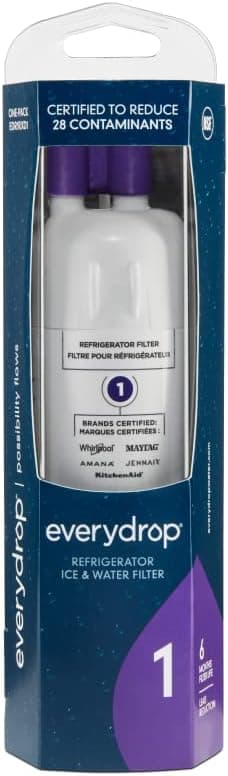
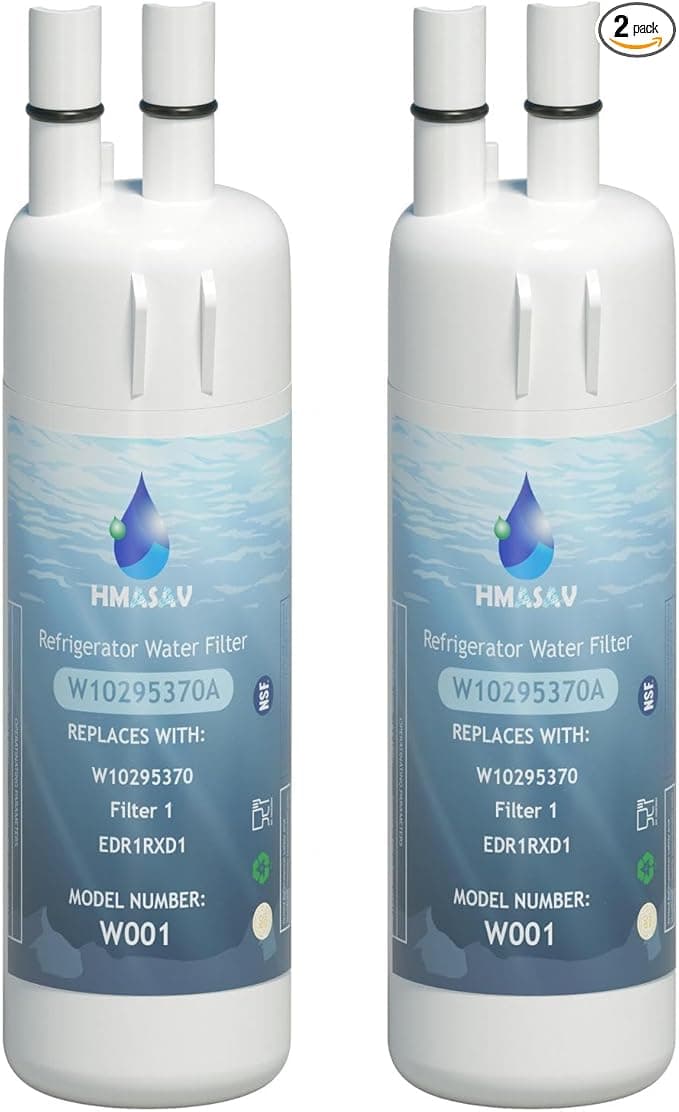
I actually did this. Whirlpool FILTER 1 in my right hand, $44.99 sticker. The compatible 1029537 in my left, sitting around $19. Same fridge port, same job, less than half the money — and I stood there for a solid minute feeling like an idiot for hesitating. Because the cheap one had to be hiding something, right? That's how my brain works. You don't get crisp water for twenty bucks when the brand-name version is pushing forty-five. Somebody's cutting a corner.
So I bought the compatible one specifically to catch it cutting that corner. Six months and two filters later, here's what I found.
The price gap is the whole reason you're reading this
Let me do the math the way I did it leaning on my cart. The OEM FILTER 1 runs about $45, and Whirlpool wants you swapping it every six months. That's roughly $90 a year, year after year, for the rest of the fridge's life. The 1029537 I bought was $19 a pop — call it $38 a year. Over the eight or nine years one of these refrigerators lives in your kitchen, that difference is real money. Like, a-few-hundred-dollars real. I'm not going to pretend twenty bucks twice a year changes your life, but I will say I stopped wincing every time the little filter light came on.
Does it actually seat?
This was my first worry. A water filter that doesn't lock fully is a leak waiting to happen behind your crisper drawers, and I've mopped that floor before. Install on this one is the same three moves as the original: twist the old cartridge a quarter turn to drop it out, push the new 1029537 straight in, twist until it catches. The catch is the part you feel for. On the OEM there's this confident, slightly heavy click when it locks. On the compatible, the click was there — but a touch softer, and the collar around the new filter felt a hair looser in the housing than the Whirlpool did. Not loose. Just less reassuringly snug. I pushed on it twice because I didn't believe it the first time.
Then you flush it. Run about three gallons through the dispenser before you trust the water — roughly filling a pitcher five or six times and dumping it. First glassful out of the new filter came out a little cloudy with trapped air, which is normal and exactly why you flush. By the third gallon it ran clear. No leak. I checked the back of that drawer with a paper towel for a week like a paranoid person. Bone dry.
The honest downsides — and there are real ones
Two things I won't paper over.
First, the taste on day one. For the first day, maybe day and a half, my ice had a faint plasticky edge to it. Not gross, not "spit it out," but my wife noticed it in her water before I told her anything, which means it wasn't in my head. It's the new housing off-gassing. By the second batch of ice it was gone and the water tasted clean and cold — genuinely as good as the name-brand to my mouth, and I drink a stupid amount of fridge water. But that first day is real, so flush it hard and toss the first tray of ice.
Second, the packaging is cheap. The OEM comes in that crisp printed box; this showed up in a thin shrink-wrapped sleeve that looked like it lost a fight in the mailbox. Cosmetic, doesn't touch the filter inside, but if you're the kind of person who reads the box twice before installing anything near your drinking water, it won't comfort you. Look for the NSF certification printed on the cartridge itself — that's the thing that actually matters, not the cardboard.
Why I don't skip this and run a dead filter
People stretch these way past six months to save the cash, and I get the impulse — but a saturated cartridge stops doing its job. Once the carbon's spent it's not pulling chlorine taste, sediment, or the other stuff the filter is rated to catch, and you're basically drinking tap through an expensive plastic straw. Worse, a clogged filter chokes your water and ice flow, which is usually the first sign people notice. The whole point of going compatible is that the swap costs so little there's no excuse to ride a dead one. At $19 you just change it.
Who should buy the OEM instead
I'll be straight: if your fridge is still under a manufacturer warranty that has any language about "genuine parts," buy the $45 Whirlpool and don't give them a reason to fight you on a claim. Same if you're the type who will lie awake over a slightly softer click. The peace of a printed box is worth $25 to some people and that's a legitimate call.
The verdict
For everybody else — me included — the 1029537 does the same job the FILTER 1 does, fits the same port, hits the same NSF standard, and tastes the same after one day of break-in, for less than half the price. The looser collar and the day-one plastic taste are the corners they cut, and now you know exactly what they are. Neither one stopped me from buying it a second time when the light came back on. Honestly, it's already in the fridge.