Troubleshooting & Analysis
The smell that told me the filter was dead
The water tasted like a swimming pool. Not strong — just a faint chemical edge on the first sip every morning, the kind you talk yourself out of for a week before you admit something's off. I'd let my EveryDrop filter run about eight months. Way past the six-month mark printed on the side, which I'd ignored because, well, the water still came out cold and clear and who replaces a thing that looks fine?
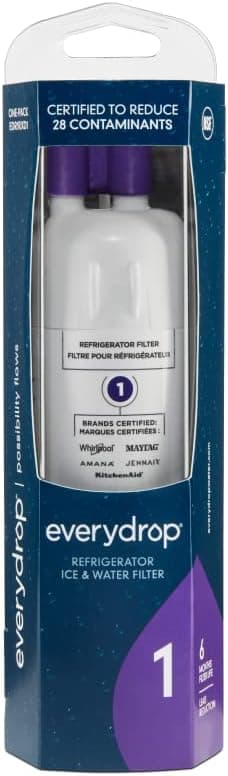
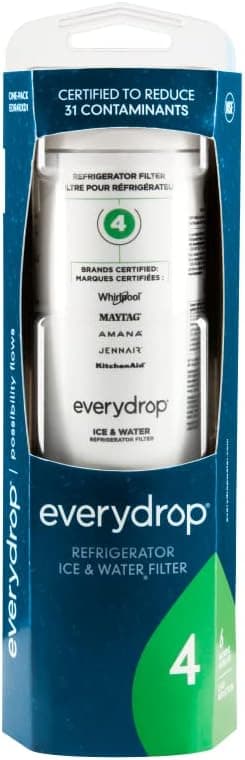
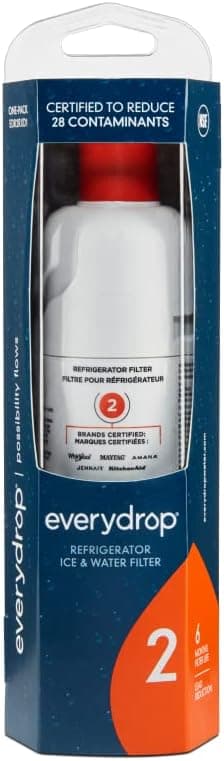
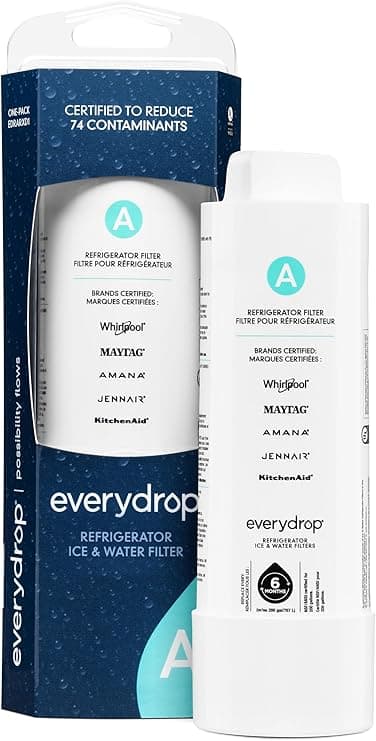
Then I pulled the old one. The pleats inside were gray-brown, almost furry, and the bottom had this gummy film. That's the part nobody sees — a saturated carbon filter doesn't just stop cleaning, it starts giving back. The stuff it caught for months sits there, and your "filtered" water runs right over it. I'd basically been drinking tap, minus the part where my city actually treats the tap. So I went looking for a replacement, stared at the $45 OEM EveryDrop box at the store, and stopped.
Forty-five dollars. For a logo.
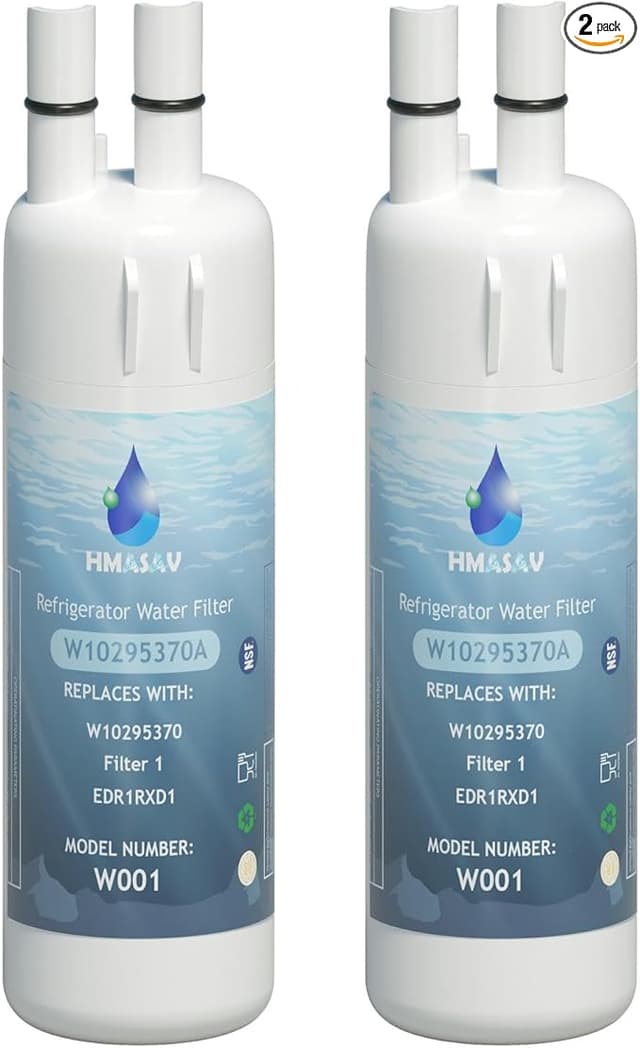
Here's the math that bugged me. The genuine EveryDrop runs around $40 to $50 a pop, and Whirlpool wants you swapping it twice a year. That's roughly $90 a year, indefinitely, for a fridge I already paid for. The compatible Filter A I ended up buying was a hair over $20. Two a year, forty bucks, done. Over the life of the fridge that's a couple hundred dollars I'd be handing over for the privilege of a printed brand name on a plastic cap.
I'll be honest about why I hesitated, because you're probably hesitating for the same reason. It's the one thing that actually goes in your body. A cheap phone case, fine, whatever. But a cheap water filter felt like the wrong place to save. So before I bought I checked the one thing that matters: NSF certification. The compatible I got is built to the NSF/ANSI standard for taste and chlorine reduction — same testing benchmark the OEM leans on. That's the floor I won't go below. No certification, no sale. This one cleared it.
Does it actually fit?
This was my real fear — some off-brand stub that almost seats and then drips behind the fridge for a month. It didn't. The install on these EveryDrop-style units is genuinely three moves: twist the spent filter a quarter turn and it pops loose, slide the new one into the same housing, and turn until it locks. You feel a small click when it catches. Then you run about three gallons through the dispenser to push the trapped air out — the first pour sputters and spits, that's normal, don't panic.
The compatible seated with the same click. I'll give you the honest nitpick, though: the collar on mine felt a touch less precise going in than the OEM does. Maybe a half-degree of wiggle before it bit. Once it locked, solid — no drips, no weeping, four months in and counting. But that first turn, you notice the tolerances aren't quite Whirlpool-tight. If you're someone who white-knuckles fridge repairs, you'll feel it. It's cosmetic. It sealed fine.
The honest performance read
Water came out clean and flat-tasting — flat in the good way, the chlorine edge gone after the flush. Ice was clear, no cloudiness, no off smell in the cubes, which is usually the first place a bad filter shows up. For the daily job of pulling chlorine taste and sediment out, I genuinely can't tell it from the OEM in a glass. My wife couldn't either, and she's the one who noticed the pool taste in the first place.
Where's it a touch behind? Two things, and I'd rather you hear them from me. First, the new-filter break-in. For the first two or three days there was a faint plastic note on the water — that fresh-housing smell — that the OEM doesn't really have, or hides better. Ran a few extra gallons through and it cleared. Second, the packaging is cheap. Thin printed box, a flimsy bag, none of the molded-shell presentation Whirlpool gives you. Doesn't touch the water. But if unboxing tells you something about quality, this one whispers "made to a price."
Who should just buy the OEM
I'm not going to pretend the compatible is for everyone. If your fridge is still under a warranty that has fine print about non-OEM consumables, read it first — some manufacturers get cute about that, and forty saved dollars isn't worth a denied compressor claim. And if you've got specific contaminant concerns beyond taste and chlorine — lead, certain pharmaceuticals — check that the exact filter you buy is certified for those specific reductions, OEM or not, because not every model is. Match the certification to your actual water, not the brand.
For everyone else — city water, normal worries, mostly you just want it to taste right and not gunk up your dispenser — I grab the compatible. I've now run Filter A through a full cycle, watched it clear my "pool water" problem on day one, and I'll be buying the next one too. Same NSF standard, same clean glass, half the money. The packaging is cheap and the first turn isn't quite Whirlpool-snug. I noticed. I still bought it again, and I'd tell my brother to do the same.
Mostly, though — replace the thing on time. The cheapest mistake I made wasn't the filter I bought. It was the eight months I waited.