Troubleshooting & Analysis
Sixty-some dollars. For a logo.
That was the moment for me. I'd been replacing the genuine Whirlpool FILTER 3 in my fridge — the one the official part number 1029537 covers — and the last time I went to reorder, the OEM price made me put my phone down and walk away. We're talking somewhere in the high-fifties to mid-sixties depending on where you buy, three or four times a year if you actually follow the schedule. Run the math: that's pushing $200 a year to drink water that, frankly, the public utility already treated before it reached my house. For one fridge.
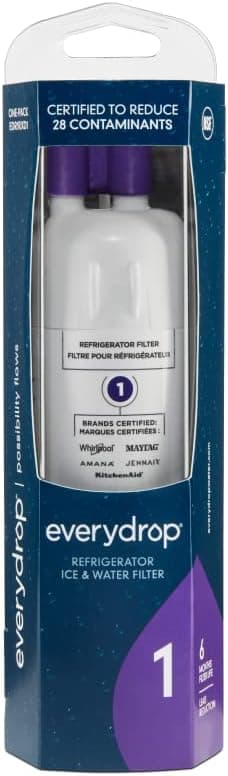
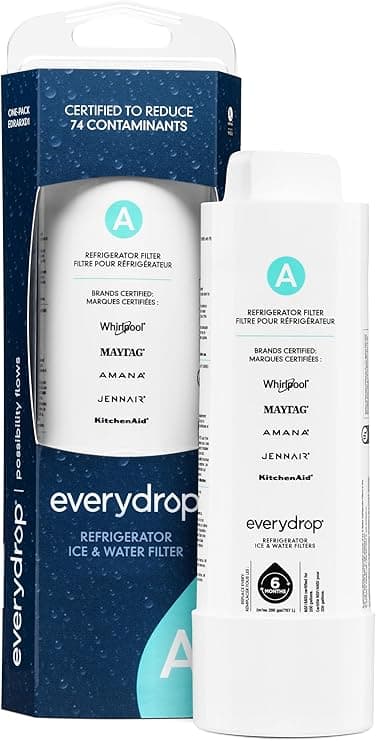
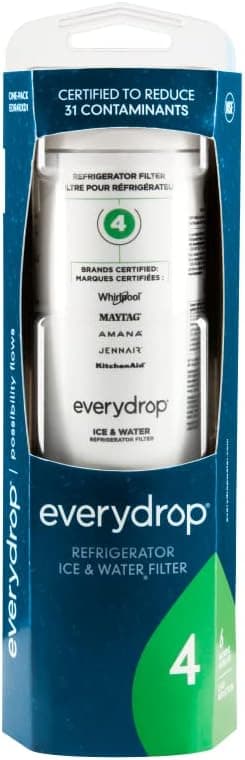
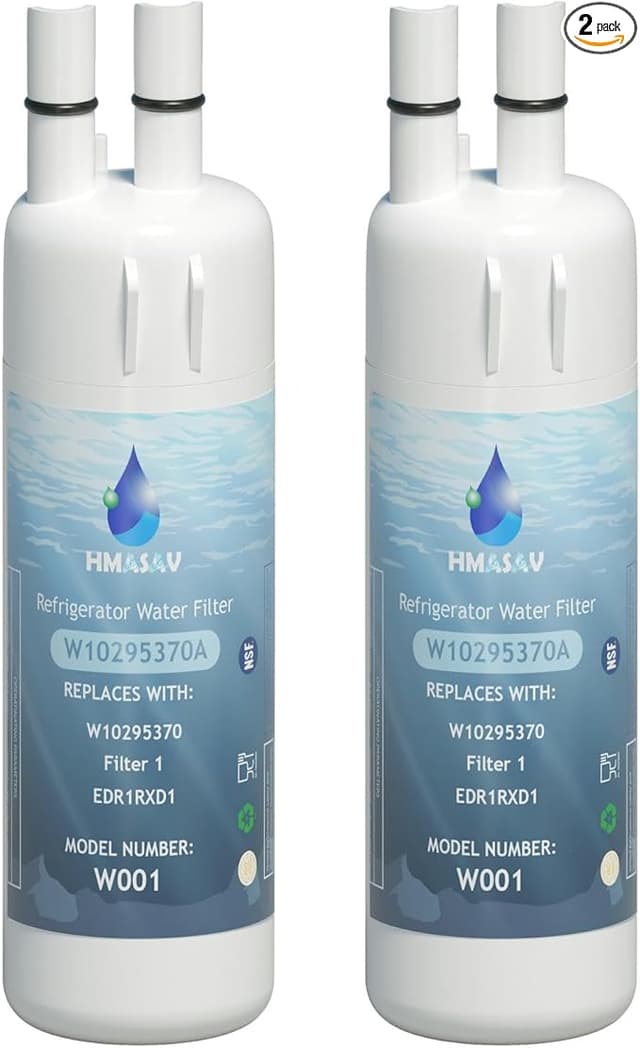
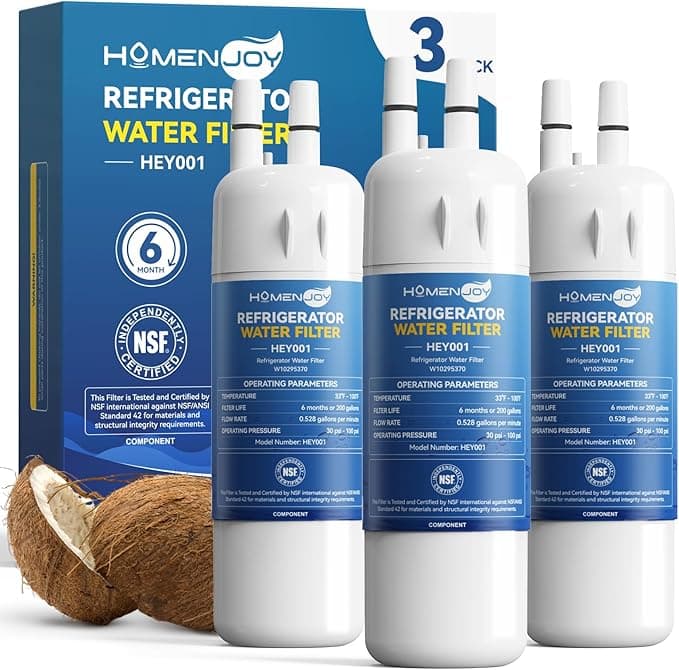
So I did what a lot of stubborn people do. I bought the compatible version — the same FILTER 3 fit, NSF-certified for the same contaminant reduction — for right around half. And then I watched it like a hawk for four months, because I genuinely expected to regret it.
What the swap actually costs you
Let me be concrete, because vague "save big!" language is exactly what I hate. The OEM filter ran me about $55 the last time I caved. The compatible one I've been using lands near $25, sometimes less in a two-pack. Over a year — call it three changes — that's roughly $165 OEM versus $75 compatible. Ninety bucks. Every year, for as long as I own this fridge. That's not a coupon. That's a tank of gas and a dinner out, recurring.
Now, does cutting the price in half mean cutting the quality in half? That was my whole worry. Here's what I found.
The install — honestly easier than I expected
The FILTER 3 design is the twist-out kind, which I've come to appreciate. Twist the old one a quarter turn, it pops loose, you pull it. The compatible filter I bought seated with the same click — that little quarter-turn lock where you feel it catch. No tools, no fridge-tipping, no panel removal. I slotted it, twisted, heard the click, done.
The one thing people skip and then complain about: you have to flush it. Run about three gallons through the dispenser before you trust the first glass. The first pour came out with a few air sputters and looked faintly cloudy — that's trapped air and carbon dust, totally normal, and it cleared by the second pitcher. If you drink that first cup without flushing you'll taste a slight carbon grit and blame the filter. Don't. Flush it like the instructions say.
Where it matches OEM — and where it doesn't quite
Taste-wise? I genuinely can't tell the difference, and I tried. I did a dumb little blind test on my wife with two glasses — one from the tail end of the OEM filter's life, one from the new compatible — and she picked the compatible as "fresher," which it was, because it was newer. The chlorine bite that tap water gets here is gone. Ice comes out clear instead of that cloudy white you get from a dead filter. For the actual job — taste, smell, the stuff a carbon-block filter is rated to knock down — it does what the expensive one did.
Where I'll be straight with you: the fit is a hair less precise than genuine. The OEM filter seats with this dead-solid, machined feel. The compatible one seated fine and hasn't leaked a drop in four months — but the plastic of the housing is a touch lighter, the tolerances a whisper looser. It clicked and locked, no drips, no problem. It just doesn't feel quite as tank-built in your hand. And the packaging is cheap — thin plastic shrink, a label that looks like it was printed in someone's garage. None of that touches the water. But if you need the box to feel premium, this isn't that.
The other small thing: a faint plastic smell off the new filter for the first day or two out of the wrapper. After the three-gallon flush and a day of normal use it was gone. First-day-only. Worth mentioning so you don't panic.
Why you can't just ride a dead filter
Quick reality check, because this is the part that actually matters. A water filter isn't decoration — it's a carbon block that gradually saturates. Once it's spent, it stops grabbing contaminants and, worse, it can start releasing what it already trapped back into your glass. An expired filter in a Whirlpool fridge isn't filtering at all; at that point you're drinking tap quality through a fridge-shaped straw, plus whatever's been sitting in a months-old cartridge. The replacement interval — roughly every six months or 200 gallons — exists for a reason. So the real question isn't OEM versus compatible. It's whether you'll actually change it on schedule. And you're far more likely to swap a $25 filter on time than a $60 one you keep "stretching" because it stings to replace.
Who should still buy OEM
I'll give you the honest carve-out. If your fridge is brand new and under warranty, and you're the type who'd lose sleep over a warranty-claim argument, buy the genuine 1029537 and don't think about it — some manufacturers get cute about aftermarket parts during a claim, even though law is usually on your side. And if a few extra dollars per change genuinely doesn't register for you, the OEM is a fine, slightly-better-built product. No shame in it.
But me? My fridge is years past warranty, I change the thing myself, and I've now run four months on the compatible FILTER 3 with clear ice, clean-tasting water, and zero leaks. For ninety bucks a year back in my pocket, doing the same NSF-rated job, I'd buy it again — and I already have, twice. The logo was the only thing I gave up, and the logo never once made my water taste better.