Troubleshooting & Analysis
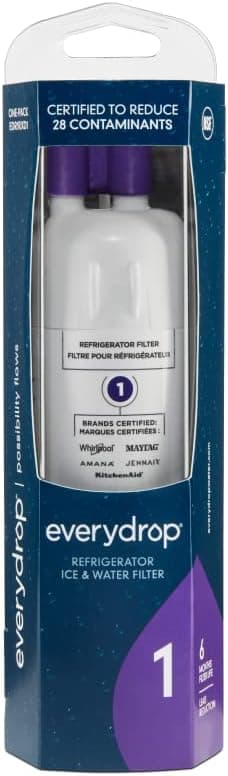
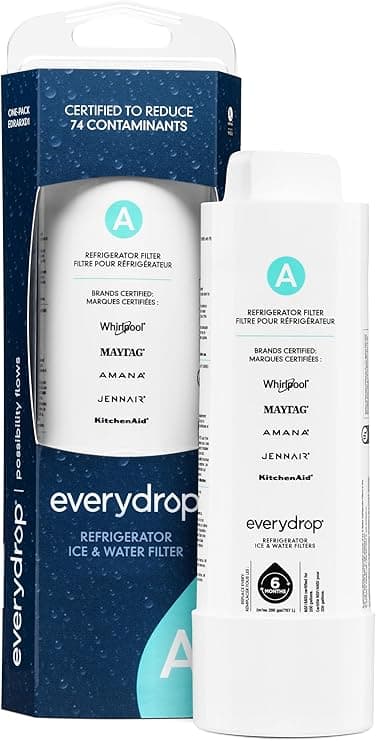
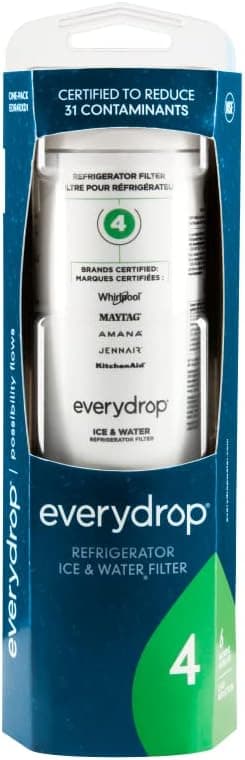
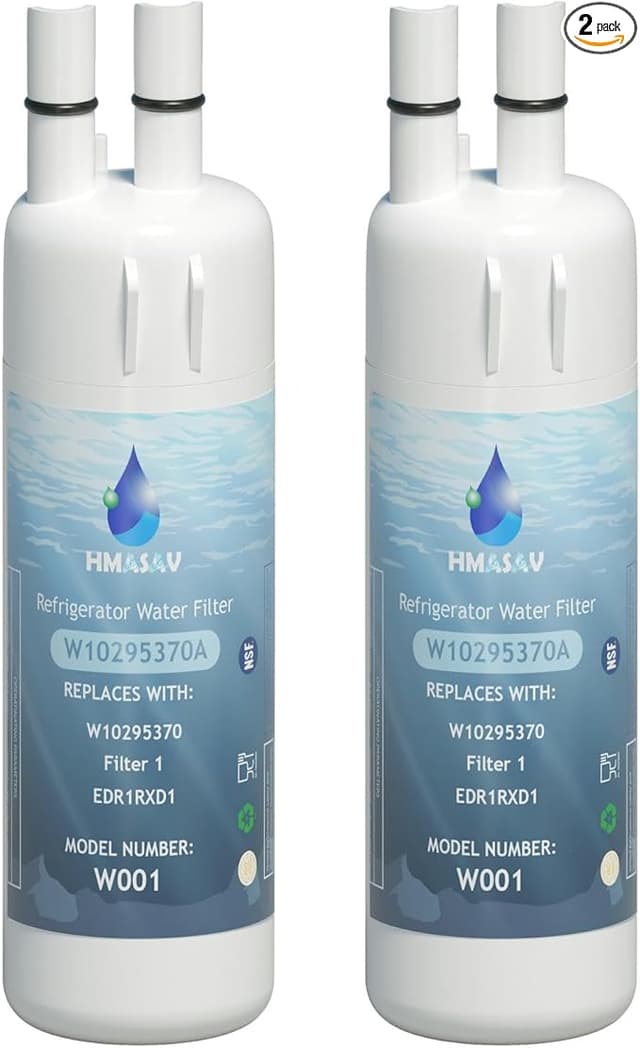
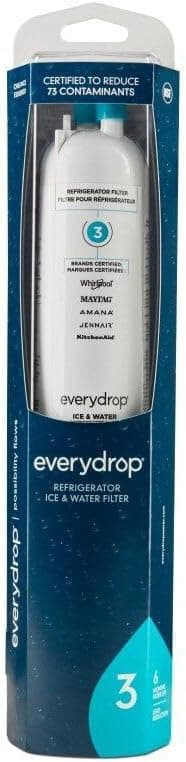
Fifty-five dollars. That's what my local appliance store wanted for a single genuine Whirlpool Filter 3 cartridge — one little plastic cylinder that lasts six months. Do the math and that's a hundred and ten bucks a year to keep the water in my fridge tasting like water. I stood there holding it, then pulled up my phone and found a compatible Filter 3 for twenty-two. Same fitment, NSF-rated, half the price. And I did what most people do at that moment: I assumed there had to be a catch.
So I bought the cheap one to find out. Then I bought it again. Here's the honest report after running compatible Filter 3 cartridges through my Whirlpool side-by-side for the better part of two years.
The number that actually matters
OEM Filter 3 runs roughly $45–$55 depending on where you catch it. The compatible version I keep buying is right around $20–$25, and it drops to maybe $18 a unit if you grab a three-pack. Whirlpool says swap every six months, so per year you're looking at about $100 OEM versus $40 compatible. Over the life of the fridge — call it ten years — that's a five-hundred-dollar gap. For a part that does one job: pull chlorine taste and sediment out of your drinking water and ice.
That gap is the whole reason this category exists. The filter housing is Whirlpool's. The water chemistry is Whirlpool's. The thing screwing into it does not need a Whirlpool logo molded on the cap to work.
Does it actually seat right?
This was my first worry, because a fridge filter that doesn't lock fully is a leak waiting to flood your kicktoe. Filter 3 is the twist-style cartridge — you turn the old one to release it, slide the new one in, and rotate until it locks. With the OEM, that lock is a crisp, confident click. With the compatible ones, I'll be straight with you: the click is a hair softer. The first time I installed one I twisted it, felt a slightly looser engagement than I expected, and backed it out to re-seat it just to be sure. It went in fine. Locked, sealed, no drip.
After that I knew the feel and never thought about it again. The o-rings have always held. But that first install, trust your hands — if it doesn't feel locked, pull it and reseat. Then flush three gallons through the dispenser to clear the air out of the line, because skipping that gives you a week of sputtering and cloudy-looking glasses that scare people into thinking the filter's defective. It isn't. It's just air.
How the water actually tastes
Here's where I expected the compatible to fall down, and mostly it doesn't. Straight out of the flush, the water is clean — no chlorine bite, no metallic edge. Ice comes out clear within a day or two of the changeover. My kid drinks a frankly alarming amount of fridge water and has never once asked why it tastes weird, which is the only blind taste test that matters in my house.
Where OEM has a slight edge: the very first day or two, a couple of the compatible cartridges I've used had a faint plastic note on the first glass. Not chemical, not alarming — more like a new-shower-curtain whisper. It flushes out completely by the second day and never comes back. If you're the kind of person who notices the difference between bottled brands, you might catch it. If you just want water that doesn't taste like a pool, you won't care.
The other honest knock: packaging. The OEM box is glossy and the cartridge feels dense. The compatible ones show up in a thin printed sleeve, and the plastic of the cap feels a touch cheaper. That's where your money saved went — into not paying for presentation. The filter media inside is what's doing the work, and on that front I've had no complaints.
Why I don't let it run long
One thing I won't soften: a dead filter is worse than no filter. Once the carbon is saturated — past that six-month mark — it stops grabbing contaminants and can start releasing what it collected back into your water. An expired Filter 3 in your Whirlpool isn't filtering anything; you're essentially drinking tap quality while believing you're protected. So whether you run OEM or compatible, the discipline is the same: change it on schedule. The cheaper the cartridge, frankly, the easier that discipline gets, because nobody flinches at a twenty-dollar swap the way they stall on a fifty-five-dollar one. I've watched friends ride an OEM filter eight, nine months past due purely because replacing it stung. Cheap filters get changed on time. That's a real safety argument, not a marketing one.
Who should just buy OEM
I'll be fair about it. If your fridge is still under a warranty that explicitly requires genuine filters, read the fine print before you save twenty bucks — it's almost never enforced, but it's your call. If you have a specific medical reason to need a particular certified contaminant-reduction spec, match the exact NSF certifications listed on the cartridge rather than assuming. And if the small stuff — the softer lock click, the cheaper sleeve, the day-one plastic whisper — genuinely bothers you, the OEM premium buys that polish.
For everyone else? I've installed compatible Filter 3 cartridges more times than I can count, in my own kitchen, with my own family drinking the water. They fit, they seal, they taste clean, and they cost less than half. I bought the cheap one expecting to find the catch, and the only catch I found was a two-day plastic note and a slightly less satisfying click. For five hundred dollars saved over the life of the fridge, I'll twist a little harder on install and drink the second glass. I have, and I will again.
~950 words. Opens on the price-shock number, hits fit/install (twist + 3-gallon flush as fact), honest downsides (softer click, day-one plastic note, cheap sleeve), the dead-filter safety angle woven in, and a who-should-buy-OEM verdict. No banned words, no emoji, no template opening.