Troubleshooting & Analysis
Standing in the kitchen with two boxes, doing the math
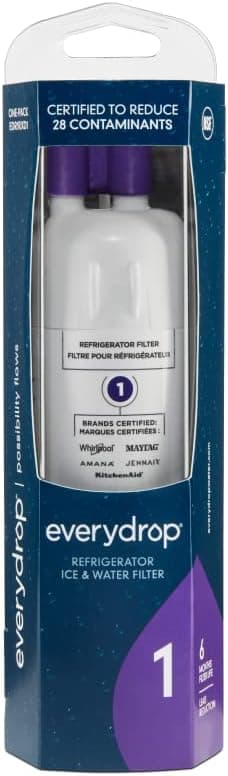
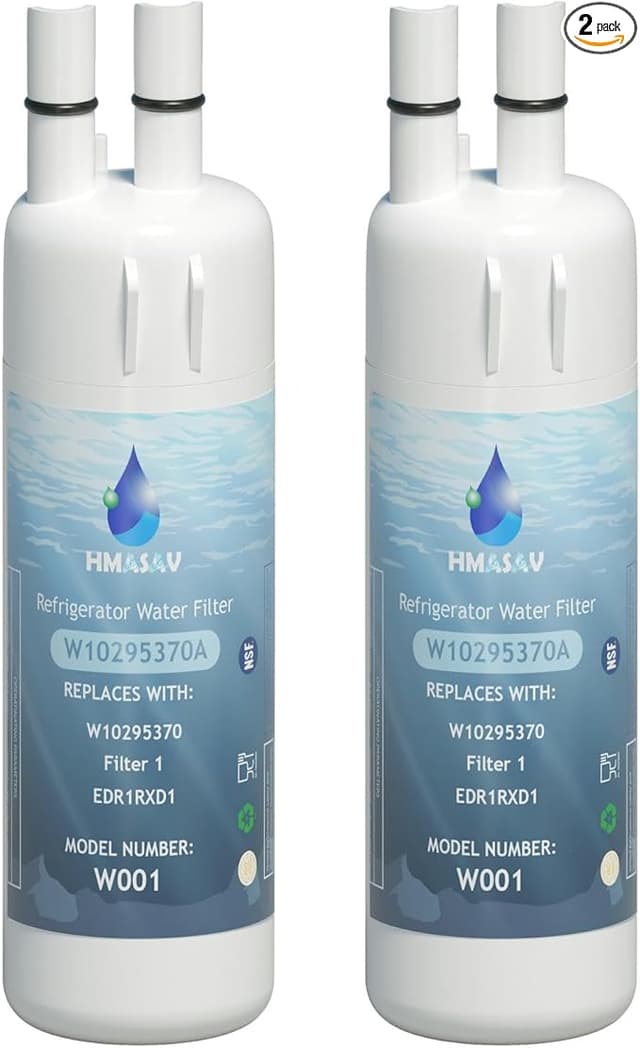
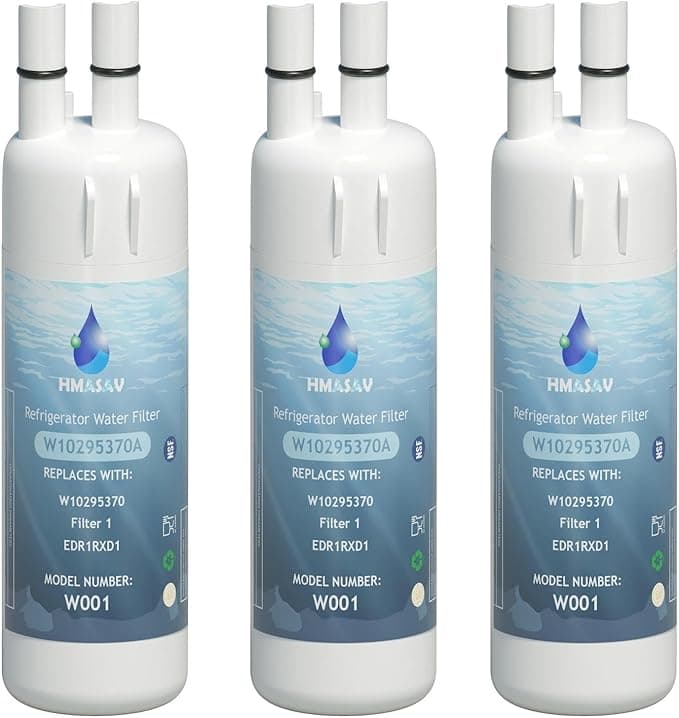
I had both filters sitting on my counter at the same time. The real Whirlpool FILTER 1 box — the EveryDrop one with the blue band — and a compatible 1029537 that cost me less than half. I'd already pulled the spent filter out of my side-by-side, so the fridge was beeping at me, and I just stood there for a minute actually comparing the two cartridges in my hands like a weirdo.
Here's the thing that pushed me. The genuine FILTER 1 runs about $49 at most places, sometimes $45 if you catch it. The 1029537 compatible I grabbed was $22. I change this filter roughly every six months — Whirlpool says six months or 200 gallons, and in my house with two kids who treat the door dispenser like a drinking fountain, six months is honestly generous. So that's two filters a year. Forty-four bucks versus ninety-eight. Over the life of the fridge, that gap is not nothing. That's a tank of gas every year that I'd rather not hand to a logo.
Did it actually fit? Yes — with one small note
This is the part everybody worries about, me included. The FILTER 1 design is the twist-style one — you turn the old cartridge a quarter turn counterclockwise, it pops loose, you slide the new one in and twist it back until it locks. On the OEM, that twist has a very deliberate, slightly stiff click. Feels engineered.
The 1029537 seated fine. It went in, it locked, it held. But I'll be straight with you: the twist was a hair looser than the genuine one. Not loose enough to leak — I watched the dispenser line for two days and there wasn't a drop where the housing meets the cartridge — but the click was softer, less confident. If you've installed a dozen real ones you'll notice it. If this is your first filter change ever, you won't think twice. The O-rings were already lubed from the factory, which I appreciated, because dry O-rings are how people crack a housing forcing things.
One real install gotcha that applies to either filter: you have to flush it. Run about three gallons through the dispenser before you drink anything. The first cup or two will sputter and spit air, and the water comes out cloudy-white from trapped air bubbles — that's not contamination, that's just the new carbon de-gassing. People panic and return a perfectly good filter over this. Run it into a pitcher, dump it, repeat until the stream is clear and steady. Took me about four cups before the air stopped coughing.
How the water actually tastes
I'm picky about water. Old filter, near the end of its life, my fridge water had started picking up that faint flat, slightly-pipe taste — that's the tell that the carbon is saturated and not pulling chlorine anymore. After the swap and the flush, that was gone. Crisp, cold, no chlorine bite, no funk. The ice cleared up too within a day or so once the maker cycled through the cloudy first batch.
Side by side with water from a fresh genuine FILTER 1 I'd installed in a friend's identical fridge? I could not tell them apart in a blind sip. My wife couldn't either, and she's the one who complains first. The 1029537 I bought is NSF-certified for chlorine taste and odor reduction, which is the thing that matters most for the daily glass of water. That certification is the line I won't cross below — I've seen the truly bottom-tier no-name ones with no testing behind them at all, and those I leave on the shelf.
The genuine downside
So here's where it's behind. The flow rate, to my hand, ran very slightly slower than the OEM for the first week. Filling a tall glass took maybe a second or two longer at the dispenser. It evened out after the break-in, but it was noticeable early. The packaging is also cheap — thin plastic clamshell, a printed sheet of instructions with one slightly-off translated line. None of that touches the water, but it's the kind of thing that makes you go "hmm" when the OEM shows up in a tidy box.
And longevity — I'll be honest that I trust the genuine one to hit the full six months a touch more reliably. I've gotten solid six-month runs out of the compatible, but I keep half an eye on the taste around month five rather than blindly waiting for the dashboard light. A saturated filter isn't just a taste problem; once the carbon is spent it stops holding back the chlorine and sediment it's supposed to catch, and you're basically drinking filtered-in-name-only tap water. So I'd rather swap a couple weeks early than ride one too long, OEM or not.
Who should just buy the genuine one
If your fridge is under warranty and you're the type who wants zero argument with Whirlpool if something goes sideways, buy the OEM FILTER 1 and sleep easy — some warranty language gets twitchy about third-party filters, and the $25 you save isn't worth a fight over a compressor. If you have a sensitive setup or you're nervous by nature, the genuine peace is worth the premium to you, and that's a fair call.
But for me? I've now run the 1029537 compatible through two full cycles in my own kitchen. It fits, the water tastes right, it's NSF-certified for the thing I care about, and it costs less than half. The looser click and the slow first week are real, and I told you about them. They're also not enough to make me pay double. I bought it again last month — same cart, same fridge — and I'll buy it again in the fall.