Troubleshooting & Analysis
I didn't believe a $20 filter could be fine either
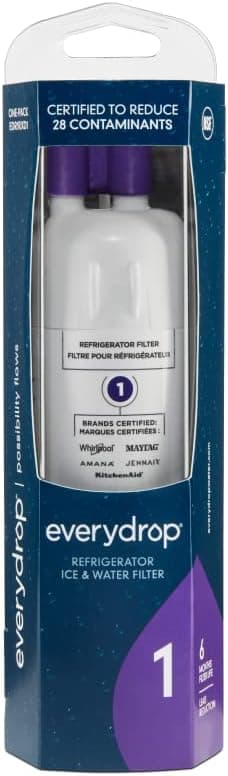
For about two years I bought the real Whirlpool Filter 1 every six months without thinking about it. Forty-eight bucks at the appliance store, sometimes $52 if I forgot and grabbed it at the hardware place down the road. Then my brother-in-law put a $19 compatible one in his fridge and kept telling me the water tasted the same. I nodded and quietly assumed he was drinking lightly filtered tap and lying to himself. Cheap filter, cheap result — that was my whole theory of the world.
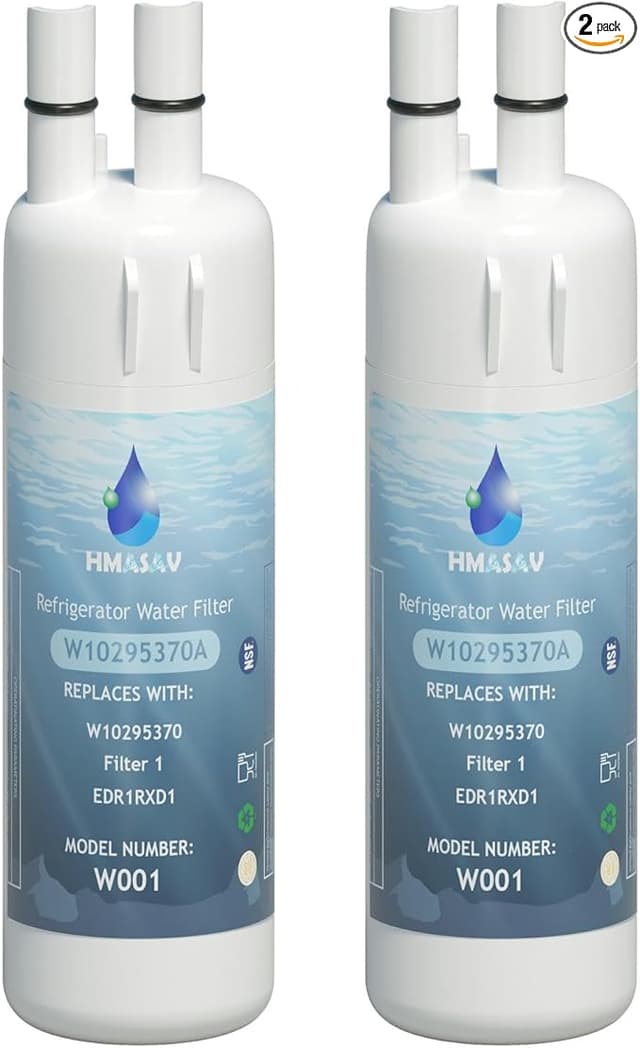
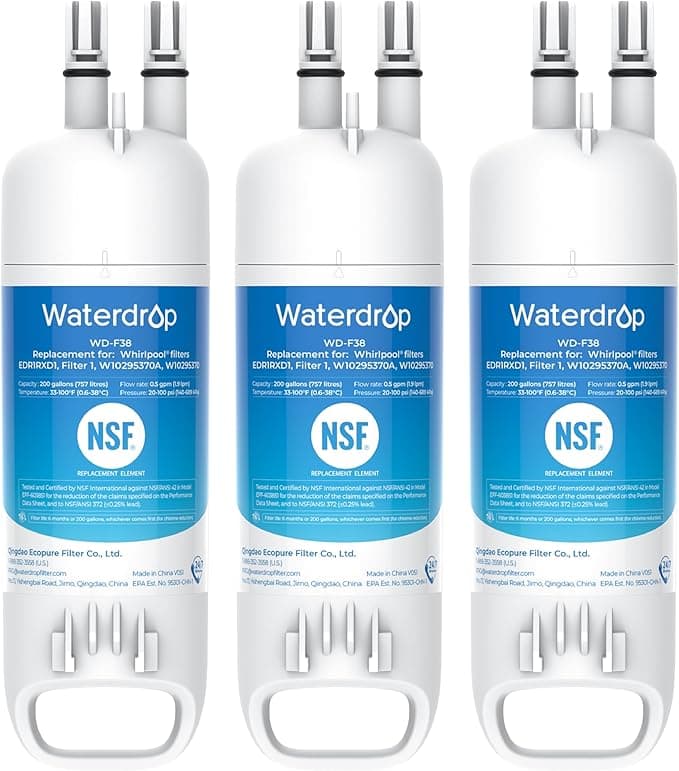
So I tested it. Not to prove him right. To prove him wrong, honestly. I ordered the compatible Filter 1 replacement, ran it in my own side-by-side French door unit for a full cycle, and paid attention the way you only do when you expect to catch something.
The price gap is not small, and that's the whole point
Here's the math that made me even bother. The OEM Whirlpool Filter 1 sits around $45 to $50 depending on where you buy it. The compatible version I used was $19. Whirlpool wants you swapping every six months, which is twice a year — call it the manufacturer's official line, and it's a fair one for water you actually drink. That's roughly $95 a year on genuine versus about $38 on the compatible. Over the life of the fridge, that difference buys a lot of other things. The marketing line is basically "why pay more for a logo," and as much as that phrasing makes me roll my eyes, the dollar figure underneath it is real.
The compatible one I tested carries the NSF certification too, which was the part I actually cared about. I don't trust a filter just because it's cheap, but I also don't pay triple just because there's a brand stamped in the plastic. The certification is the thing that lets me sleep, not the name.
Does it actually fit? Yes — with one annoying caveat
Installing it is genuinely a thirty-second job. You twist the old filter to release it, pull it out, slide the new one in, and turn until it locks. On my fridge the compatible filter clicked into the housing on the first try. The seat felt right. No leak, no drip down the back wall, no error light.
The caveat: the click was a hair softer than the OEM. The genuine Filter 1 locks with this confident, solid thunk. The compatible seated with more of a quiet snick — it was locked, water flowed clean, no problem ever showed up — but the first time I did it I pulled it back out to double-check because my hands didn't trust what they felt. The tolerance on the cap is a touch looser. Functionally fine. It just doesn't give you that same reassuring mechanical thud, and if you're the nervous type you'll re-seat it once to be sure.
Then you flush. Run about three gallons through the dispenser before you drink any — this clears the trapped air and the bit of carbon dust every new filter sheds. The first glass or two came out with a few faint bubbles and looked very slightly cloudy. Normal. That's air, not the filter failing. By the third gallon it ran clear and cold.
The honest performance read
Taste: I genuinely could not tell them apart. I poured one glass from each setup, no labels, asked my wife to guess. She got it wrong. So did I, the next morning, when I tried the same trick on myself. Whatever chlorine flatness the OEM pulls out, this one pulls out too. The ice came out clear and didn't have that faint pool-water edge my unfiltered fridge gives off.
Where it lags, and I want to be straight about this: flow. Filling a tall glass took maybe a second or two longer than with the genuine filter. Not a stopwatch difference you'd notice unless you were looking for it — but I was looking for it, and it's there. The compatible media seems to run a touch denser, so the water comes through a bit slower, especially in the first few weeks before it settles in. If you fill big jugs constantly, you'll feel it.
The other small thing: the packaging is cheap. Thin plastic sleeve, a sticker that was slightly crooked, instructions printed like an afterthought. None of that touches the water. But if you like the OEM's tidy box, you'll notice this feels more bargain-bin.
Why a dead filter is the real risk — not a cheap one
The thing people get backwards: the danger isn't the off-brand filter. The danger is the expired filter, whatever the brand. Once the carbon is saturated, it stops grabbing contaminants and you're essentially drinking tap quality with extra steps — and worse, a clogged filter can start pushing junk back through. A fresh $19 compatible beats a six-month-overdue $48 OEM every single time. So whichever you buy, the move is to actually change it on schedule. The low price here helps with that, because you stop wincing every time you reorder.
So who should still buy OEM?
If your fridge is under warranty and you're the kind of person who'd lose a fight with the manufacturer over a denied claim, buy genuine and keep the receipts — not worth the argument. And if you fill pitchers all day and that slightly slower flow would drive you up the wall, the OEM's faster pour might be worth the premium to you.
Everybody else? I went in trying to prove the cheap one was junk and walked out having reordered it. Same NSF standard, same taste, same clear ice, a fit that's a touch looser and a pour that's a touch slower — for about thirty dollars less, twice a year. I drank it for six months. I'm on my second one now. That's my actual answer.