Troubleshooting & Analysis
The day my ice tasted like a swimming pool
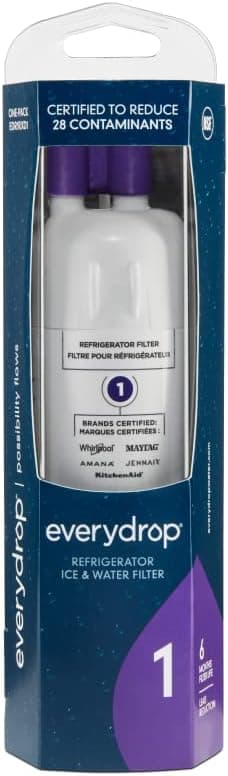
I knew the filter was dead before I checked the date. I poured a glass of water from the door dispenser, took a sip, and got this flat, faintly chemical tang — like the bottom of a public pool. The ice was worse. Cloudy little cubes that smelled like nothing should smell. I pulled up the fridge app and there it was: I'd run that Whirlpool FILTER 1 cartridge for almost eleven months. Way past the six it's rated for. A clogged filter doesn't politely stop working — it just quietly starts letting through whatever it used to catch, and your water goes back to plain tap quality without telling you.
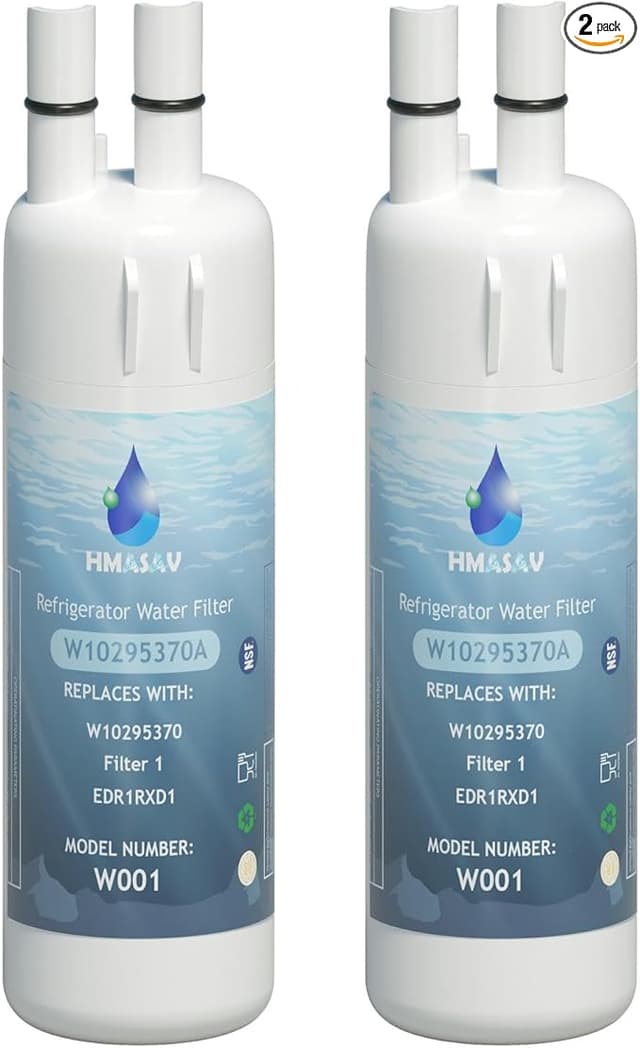
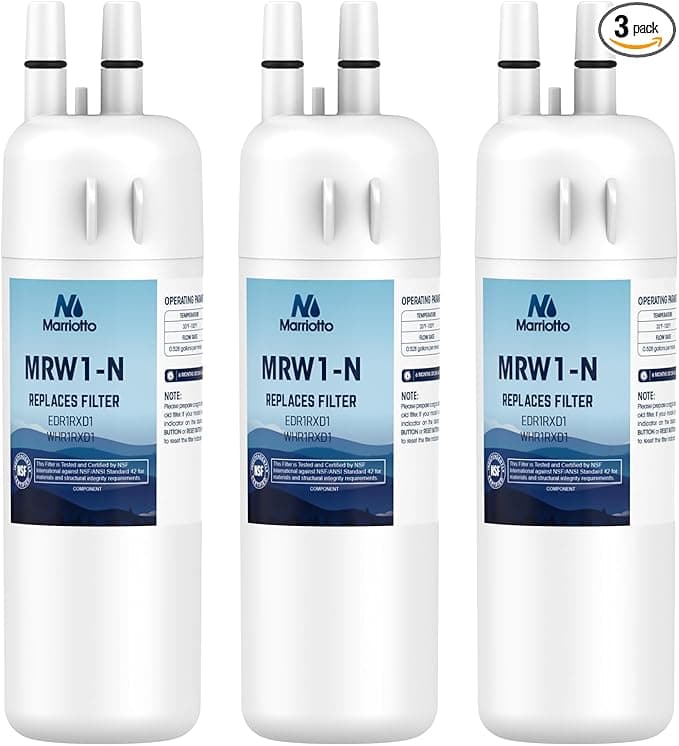
So I had a choice I bet you're staring at right now. The genuine Whirlpool replacement runs me about $49 at the appliance store, sometimes $45 if I catch it online. The compatible one — Filter C — was sitting there for around $22. Two filters a year. That's a $50-ish difference annually if I keep buying the branded one, just for the logo printed on the housing. I'd been paying it for years out of pure nervousness. This time I bought the cheap one. Here's how it actually went.
Does it fit? Mostly, yes — with a catch
Install on these is dead simple and the Filter C respects that. You twist the old cartridge a quarter turn, it drops out, you slide the new one in and lock it with another quarter turn. Then you run about three gallons through the dispenser to clear the air — you'll hear it sputter and spit for the first half-gallon, which is normal, that's trapped air working out.
The catch: the Filter C seated, but the twist felt a touch looser than the OEM. The branded one clicks home with this confident, solid stop. This one I had to wiggle maybe a half-inch further to feel it lock, and the very first day I had one tiny bead of moisture at the collar. Wiped it, re-seated it firmly, and it never came back. But I'll be honest — I went and checked under there twice that first night because I'm paranoid about water near my floor. After 24 hours it was bone dry and stayed that way for the full run.
How the water actually tastes
This is the part that surprised me. Once that initial three-gallon flush was done, the water was crisp — genuinely indistinguishable from what the Whirlpool-branded filter gave me. Carbon filtration for taste and chlorine knockdown is honestly not exotic technology, and an NSF-rated compatible like this one hits the same standard for reducing chlorine taste and odor. The ice cleared up by the second batch. My wife, who absolutely did not know I'd swapped to the off-brand, never said a word — and she's the one who complained about the pool-water taste in the first place. That was my real test, and it passed.
Flow rate held up too. No noticeable slowdown at the dispenser over four months of daily use. Some cheap filters choke the flow because the media is packed too dense; this one didn't.
The real downside
The packaging is junk. The OEM comes in this snug printed box with a sealed cap over the inlet. The Filter C showed up in a thin plastic sleeve, the protective cap was loose in the bag, and the cardboard was already dented at one corner. Did it affect the filter? No. But it doesn't inspire confidence when you open it, and if you're the type who likes things to feel premium, you'll notice. There was also a very faint plastic smell on the housing the first day — not in the water, on the plastic itself — that aired out by day two.
And one more honest note: I trust this brand for taste and chlorine. I would not assume a budget cartridge handles lead or heavier contaminant reduction unless the package specifically claims and certifies it. Most of us on municipal water just want better taste and clean ice, and for that this is plenty. If you're on a well, or your city issued a contaminant advisory, that's a different conversation — read the certification line before you buy, branded or not.
Why you can't just skip this
Whatever you put in, don't run it past its life like I did. That eleven-month cartridge wasn't filtering anything by the end — a saturated carbon bed stops adsorbing and your fridge happily dispenses tap water while you assume it's clean. Six months. Set a reminder. The whole point of the filter is undone the day it clogs, and you won't taste the slow decline until it's already bad.
So who should buy what
If you lease the appliance, or you're on a strict contaminant-removal regimen where the paperwork matters, buy the Whirlpool-branded filter and don't think twice — the tighter seat and the documentation are worth it to you.
For everybody else? I ran the Filter C for four months in my kitchen fridge, drank it daily, made ice with it, served it to a wife who notices these things, and it did the job the $49 filter does — for about $22. The frame's a hair looser, the box is cheap, and you'll smell plastic for a day. None of that touched what comes out of the dispenser. I bought another one when this cycle ended, which is the most honest endorsement I can give. The logo isn't doing $27 of work twice a year. I'd grab this again — and I did.