Troubleshooting & Analysis
The week my ice tasted like a swimming pool
I knew something was off before I admitted it. The ice cubes had this faint chlorine bite, and the water coming out of the door dispenser had slowed to a sad little dribble. I'd been ignoring the orange light on my Whirlpool for — honestly — months. Then one morning I poured a glass, took a sip, and it tasted like I'd filled it from a garden hose. That was the moment. My filter wasn't filtering anymore. It was just a clogged plastic plug sitting in the fridge, letting whatever's in the municipal line ride straight through.
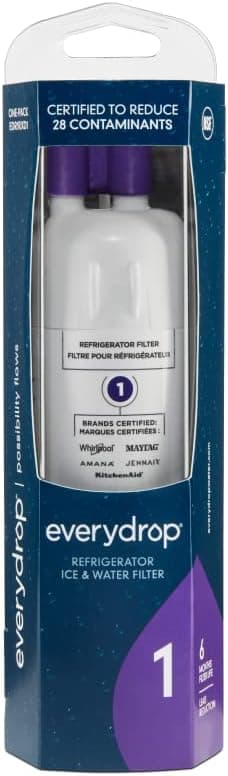
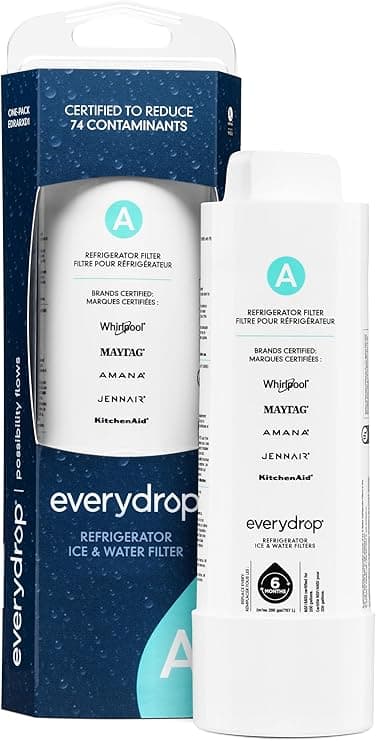
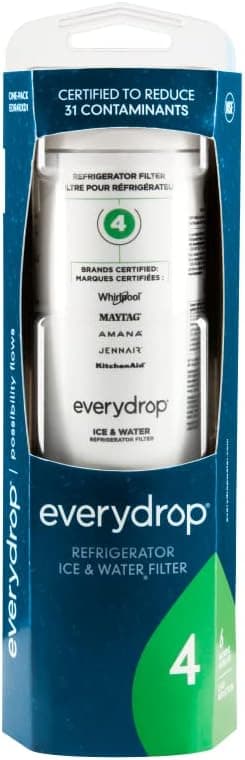
So I went to replace it, and that's where the second shock hit. The genuine EveryDrop replacement wanted around $45 to $50. For one cartridge. That I'd need to swap three or four times a year. I stood there in the kitchen doing the math on my phone and felt a little sick.
The price gap is not small
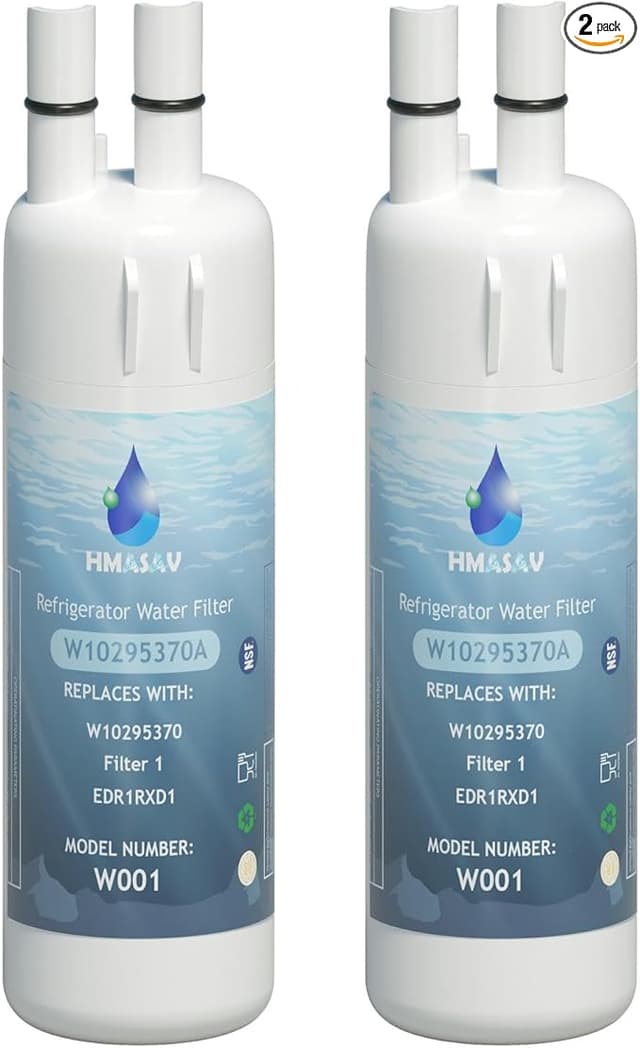
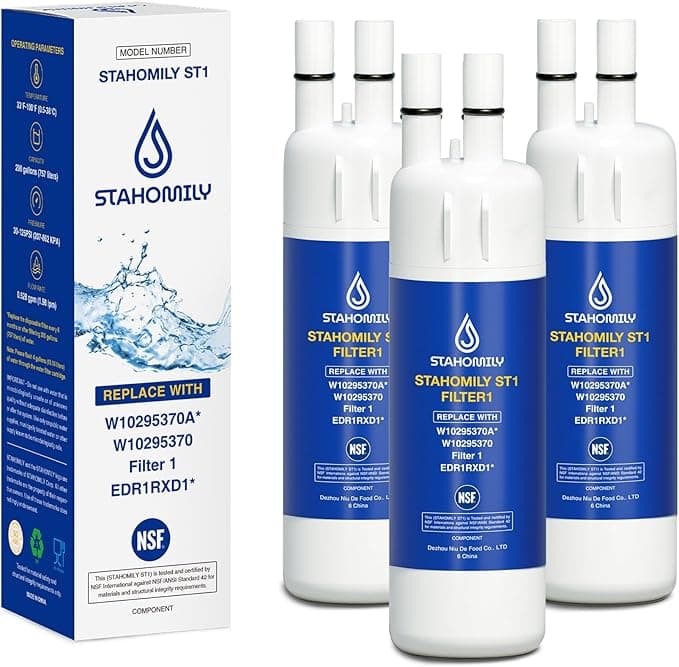
Let me lay it out the way I did at the counter. OEM EveryDrop runs roughly $45–$50 each. The compatible Filter R I ended up buying was about half that — call it $22–$25. Stack that over a year. Three swaps on the OEM is around $135–$150. Three swaps on the compatible is closer to $66–$75. That's seventy-some bucks a year staying in my pocket, for water I drink every single day.
My first reaction was the obvious one: at half price, what's the catch? Is this thing actually filtering anything, or am I just buying a prettier plug? That nervousness is the whole reason I tested it instead of just trusting the listing.
Does it actually fit?
This was my biggest worry, because a fridge filter that doesn't seat right either leaks or refuses to let water through. The install itself is genuinely a non-event. You twist the old one out — mine came free with a quarter turn — push the new Filter R in, and turn it until it locks. You feel the click. Then you run about three gallons through the dispenser to push the trapped air out, which is the step people skip and then panic about. The first pour after a swap always sputters and spits. That's air, not a defect. Flush it and it settles.
Here's the honest part on fit: the Filter R seated and locked just fine, but the molding around the cap felt a hair less precise than the genuine one. The OEM clicks home with this confident, machined snugness. The compatible clicked home too, just with a touch more... give. Not loose. Not leaking. I've had zero drips in months of use. But if you're the type who notices tolerances, you'll notice. I did.
How the water actually performs
This is what matters, and I went in skeptical. After the three-gallon flush, the chlorine taste was gone. Flat gone. The water tasted clean and a little crisp, the way it's supposed to, and the ice went back to being just ice instead of pool ice. Flow rate came right back up to full dispenser speed — no more dribble.
The Filter R I bought carries NSF certification, which is the thing I actually cared about. That's the independent standard for contaminant reduction — chlorine, taste, odor, the stuff a fridge filter is rated to catch. A filter that fits but isn't certified is just a sponge. This one's tested. That single detail is what moved me from "sketchy off-brand" to "fine, I'll trust it."
Where's it a touch behind? Over the months, I felt like the OEM held its peak taste maybe a couple weeks longer before the flavor started edging back. With the compatible, I swap a little more proactively — closer to every five months than six. Small thing. And given the price, swapping more often still costs me less than half what the OEM does.
The real downsides, because there are some
The packaging is cheap. It showed up in a thin box with a basic plastic sleeve, none of the polished presentation the genuine one has. Doesn't affect the water, but it doesn't inspire confidence when you open it — manage your expectations there.
And the first day or two, there was a faint plastic smell to the very first glass. Not chemical, not alarming, just new-plastic. The flush mostly handles it; by day three it was gone entirely. If you're sensitive to that, run an extra gallon or two through before you drink.
Why you can't just let it ride
The thing I learned the hard way: an expired filter isn't neutral. It's worse than no filter in some ways, because a saturated cartridge can stop trapping contaminants while you keep assuming it's working. That swimming-pool taste was my fridge telling me I'd been drinking essentially unfiltered tap for who knows how long. Whatever your municipal supply carries — chlorine, sediment, the off taste — a dead filter waves it right through. Don't be me. The orange light means something.
So who should buy what
If you've got the kind of relationship with your appliances where only the manufacturer's exact part will let you sleep at night, or you're still inside a warranty window that gets fussy about third-party parts, buy the OEM EveryDrop. No argument from me.
But for everybody else? I've now run the compatible Filter R through a full cycle, the water tastes clean, the ice is clear, the flow is back, and it's NSF-tested to do the actual job. For half the money. The frame's a hair looser and the box is ugly, and I genuinely do not care, because what comes out of the dispenser is exactly what I wanted. I'd buy it again. Actually — I already have. My next one's sitting in the pantry waiting for the light to turn orange.