Troubleshooting & Analysis
I bought the $19 kit out of pure spite, expecting to regret it
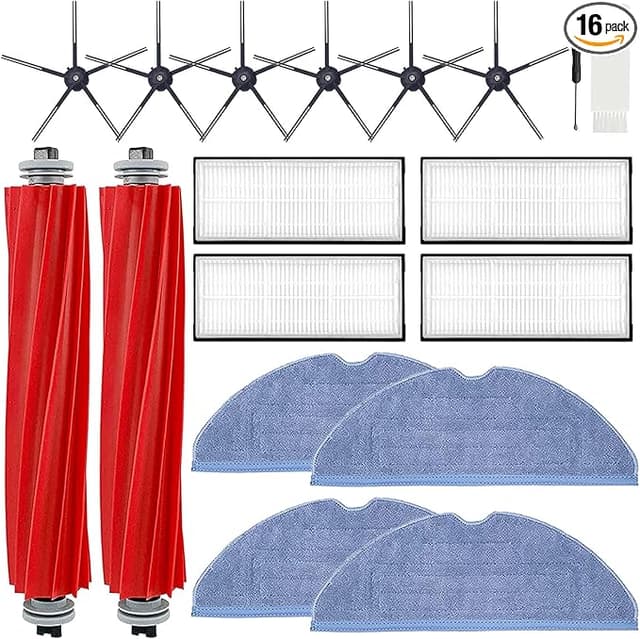
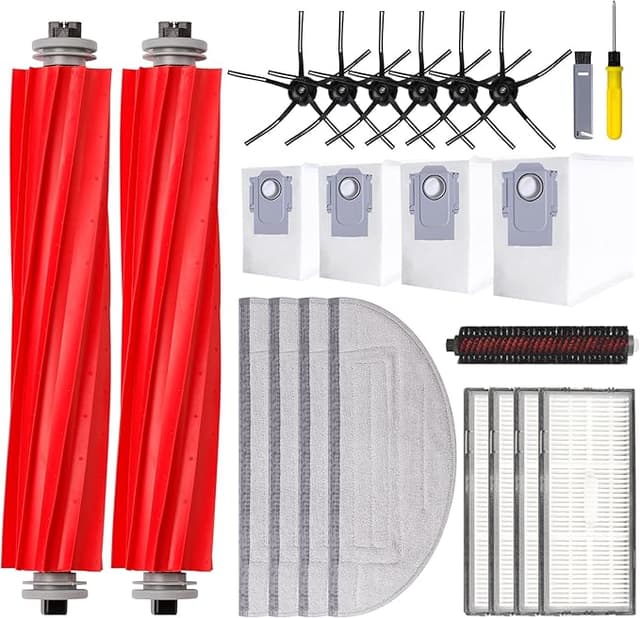
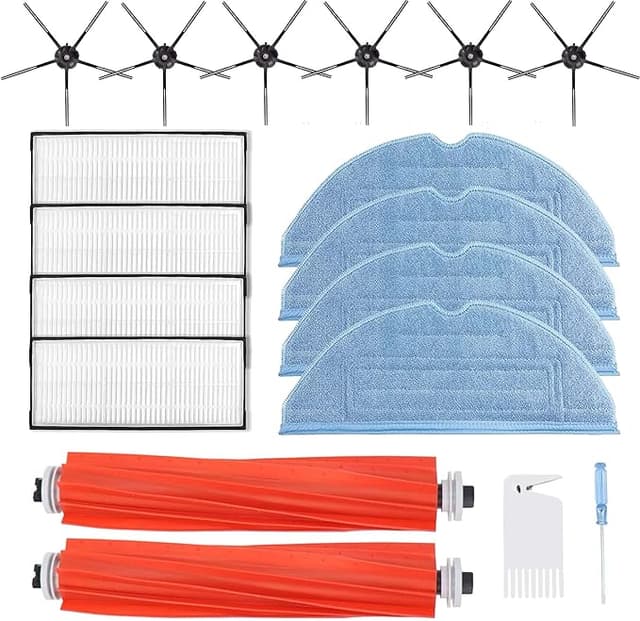
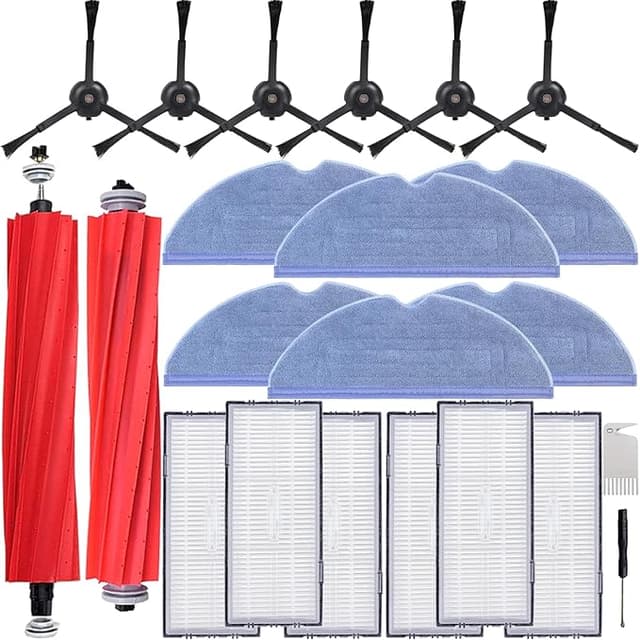
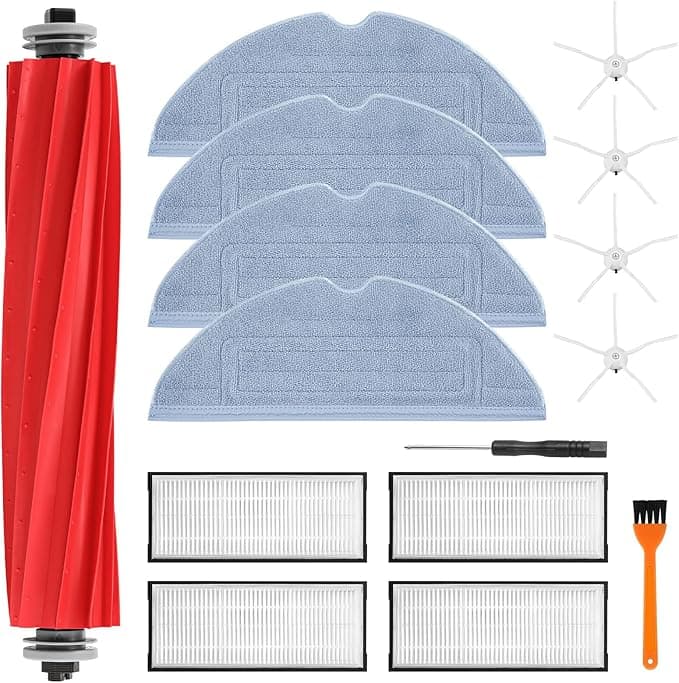
Here's the honest starting point: I didn't believe it either. A Roborock-branded accessory kit for my S7+ ran me somewhere around $45 — filter, side brush, the main roller, a couple of mop pads — and the third-party version sitting right next to it in the search results was $19. Nineteen dollars. My gut said the cheap one would be flimsy plastic that smelled like a dollar-store pool float and choked my robot within a month. I bought it anyway, mostly because I was annoyed at paying OEM prices for what is, functionally, a chunk of pleated paper and some bristles.
That was about eight months and probably forty cleaning cycles ago. So let me tell you what actually happened, fit, smell, and all.
The price math is the whole reason you're here
Let's not pretend this is complicated. Roborock wants you on a maintenance schedule: filter every couple of months, side brush a few times a year, mop pads whenever they get gross. If you buy OEM for all of that, you're looking at roughly $45–$50 a kit, and most people end up buying two of those a year once you count mop pads going through the wash. Call it $90-ish annually to keep one robot fed.
The compatible kit I grabbed was $19 and came with more pieces — extra filters, two side brushes, a stack of mop pads. On a per-part basis it wasn't half the OEM price, it was closer to a third. Over a year that's the difference between $90 and maybe $35. That's not a rounding error. That's a tank of gas and lunch. For a robot vacuum, an S7 MAXV or a Q7 MAX, that you bought specifically so you'd stop thinking about cleaning, paying a premium subscription on the consumables defeats the entire point.
Does it actually fit? Mostly yes — with one fiddly part
This is where I expected the cheap kit to fall apart, and it's where it surprised me.
The filter dropped into the dustbin slot and clicked the same way the original did. Same tab, same seat, no wiggle. I genuinely could not tell you which one was OEM if you handed them to me unlabeled. The main roller brush snapped into the underside frame fine — you power the unit off first, pop the cover, the old one lifts out, the new one drops in and the cap closes flush. No drama there.
The side brush is the one spot I'll be straight with you about. The little screw post on the compatible side brush sat a hair tighter than the original. It went on, but I had to press it down firmly and give it a quarter-turn before it sat flat instead of clicking right on like the genuine one. Once it's on, it spins true and hasn't loosened. But that first install, I sat there for fifteen seconds thinking "is this the wrong part?" It wasn't. It's just molded a touch tight. Minor. Worth knowing.
The mop pads attach with velcro and the velcro is, honestly, a little cheaper than Roborock's — the hook side feels less dense. They hold. They've held through dozens of mop runs and a bunch of trips through the washing machine. But I'd believe they wear out a season sooner than OEM, and at this price I genuinely do not care, because the kit came with enough spares to outlast that.
Performance: the part that actually matters
A filter and a brush have exactly one job, and the test is simple — does the floor get clean and does the bin fill up like it should. It does. Suction felt identical on carpet and hard floor. The bin packed with the same gray felt of dog hair and dust it always did, which means air is pulling through that filter properly. I ran it in a two-bedroom apartment with a shedding dog, so this thing earns its keep daily, not in some gentle showroom.
The one place I'll hand it to OEM: the original pleated filter looked very slightly denser when I held the two up to the light. Whether that translates to catching marginally finer dust over a long lifespan, I can't measure with my eyes, and after eight months I haven't noticed a thing — no dust smell off the exhaust, no extra haze, nothing. If you've got serious allergies and you want to be conservative, that's a fair reason to spend up on the genuine filter specifically. For the brushes and pads, there's no argument; they're mechanical parts doing mechanical work.
The real downside, said plainly
Two things. First, the plastic smell. Out of the bag, the new parts had that faint fresh-molded-plastic odor for the first two or three days of running. It aired out completely and I don't notice it now, but if you're sensitive to that, run the robot a couple of cycles before you decide you hate it. Second, the packaging is cheap — a thin poly bag, no fitted tray, parts a little loose. It doesn't affect the parts, but it's the kind of thing that makes you second-guess at the moment of opening. Don't let the wrapper fool you about what's inside.
And here's the thing nobody likes to think about but should: a clogged, worn-out filter or a bald brush isn't just a cleaning problem. A saturated filter pushes the motor harder and lets fine dust recirculate back into your room, which is the opposite of why you own this machine. A worn roller drags and stresses the drive. The danger isn't the cheap replacement part — the danger is the person who skips replacements entirely because OEM prices made them flinch. A $19 kit you'll actually swap on schedule beats a $45 kit you keep putting off.
Who should buy OEM — and why I grab this one
Buy genuine Roborock if you're inside the warranty window and you're the type who worries a third-party part could be used against you in a support claim, or if you have real respiratory issues and want the filter spec dialed to factory. Those are legitimate reasons and I won't talk you out of them.
For everyone else with an S7+, S7 MAXV, or Q7 MAX who just wants clean floors without bleeding $90 a year on consumables — this is what I put back in my own robot, and it's what's running under my couch right now. Slightly tight side brush, cheap velcro, a two-day plastic smell, and floors that are exactly as clean as before for a third of the cost. I'd buy it again. I already have.