Troubleshooting & Analysis
I didn't believe a $20 filter could be fine either
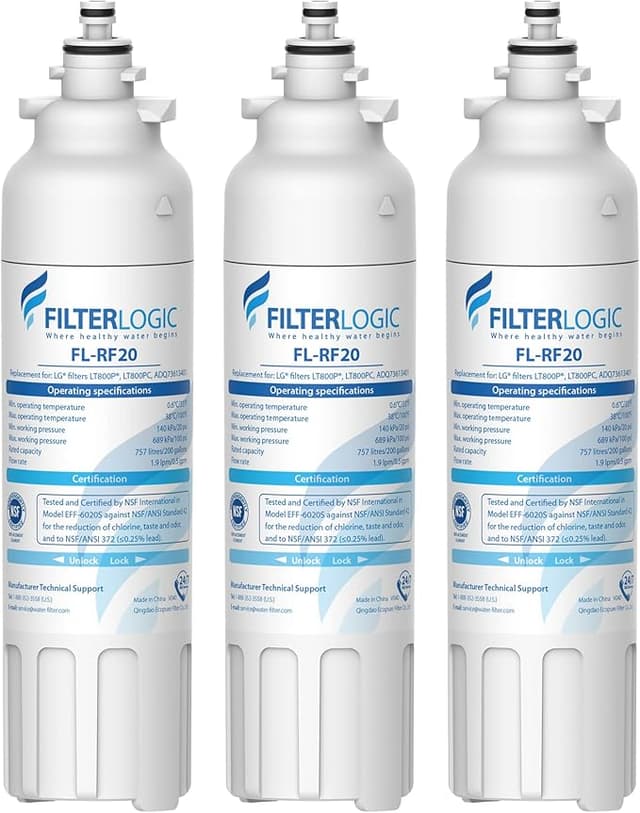
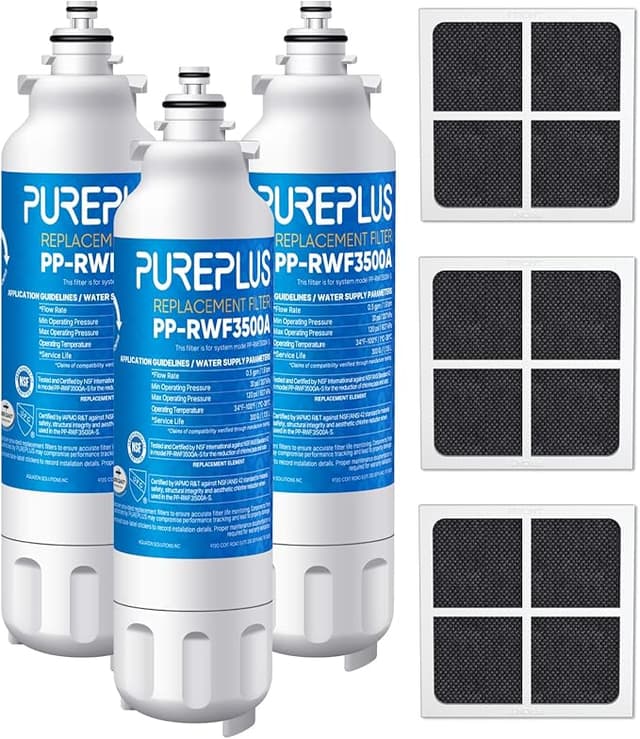
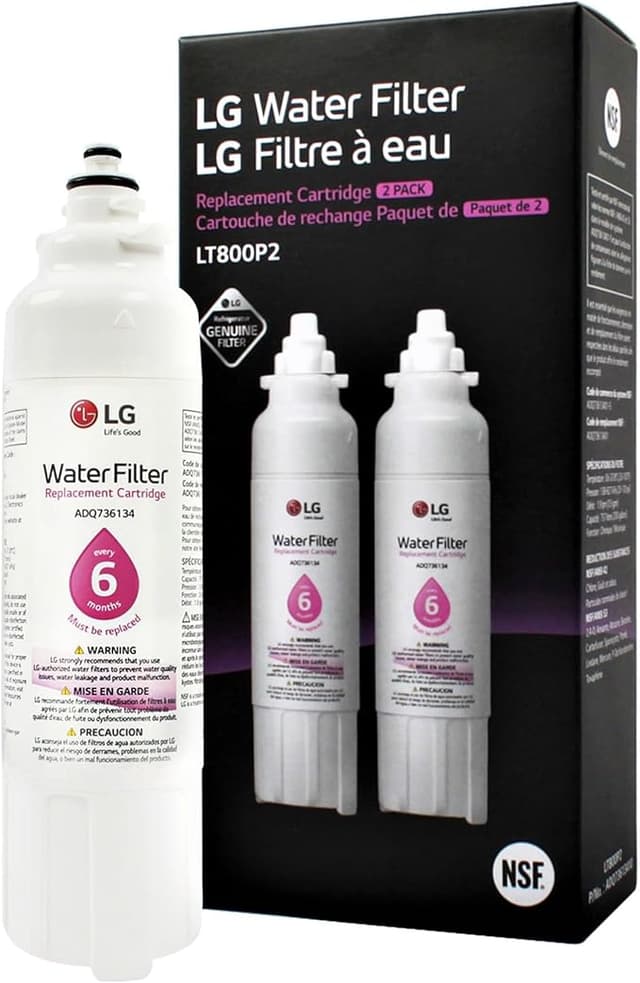
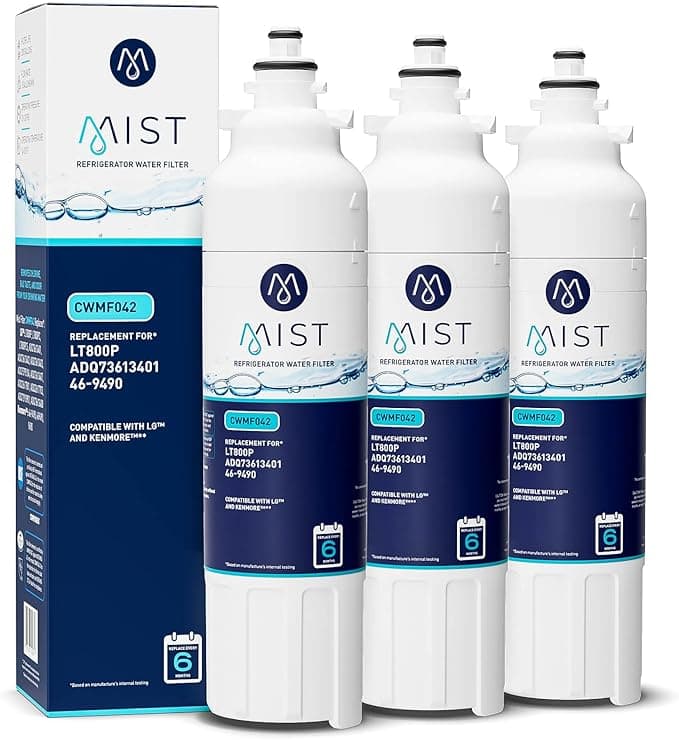
Here's the thing — I'd been a loyal LT800P buyer for three years. Forty-something dollars a pop, twice a year, because the LG box told me to and because some part of me figured the genuine one had to be doing something the knockoff couldn't. Then I priced out a compatible 7361340 on a whim and it was less than half. And my first reaction wasn't "great deal." It was "what's the catch."
So I bought one. One. Not a three-pack, not a commitment — just a single filter to test in my own kitchen, on my own LG French-door, with a wife who notices instantly if the ice tastes weird. If it was junk, I'd eat the twenty bucks and go back to OEM with my tail tucked. That was eight months and two filters ago. I'm still using these.
The price math that finally got me
Let me put real numbers on it, because that's what flipped me. The OEM LT800P runs around $45 most places I've looked, sometimes creeping toward $50 when it's not on sale. The compatible 7361340 I've been buying sits around $20, and I've seen two-packs that drop the per-filter cost lower than that. LG wants you replacing every six months. So over a year you're looking at roughly $90 in genuine filters versus something in the $40 neighborhood for the compatibles.
That's fifty dollars a year. Not life-changing money. But it's fifty dollars to filter the same tap water, and once I realized the gap was that wide, the burden of proof shifted. The cheap one didn't have to be better. It just had to not be a problem.
Does it actually fit?
This was my real fear — that it'd be a hair off and I'd be wrestling a $20 part into a $2,000 fridge. It wasn't. Installing the LT800P style filter is almost stupidly simple: you twist the old one to release it, slide the new one in, and turn until it locks. The compatible 7361340 seated with the same quarter-turn and gave me that same little click of resistance at the end that tells you it's home. No gap. No drip down the housing. No warning light staying stubbornly on.
Then you flush it. LG says run about three gallons through before you trust the water, and honestly, do this — don't skip it. The first pour out of a fresh filter, OEM or not, sputters air and comes out a touch cloudy. Three gallons cleared it completely on mine. I just filled a pitcher over and over at the dispenser until the water ran clean and quiet.
How it actually performs
Taste is the whole game with a fridge filter, and this is where I was bracing for disappointment. I didn't get any. The water is crisp, cold, no off-flavor, no faint plastic note after the break-in flush. My ice comes out clear instead of cloudy-white, which is usually the first tell of a filter that's letting stuff through. I did a blind glass test on my wife — OEM water in one, the 7361340 in the other — and she shrugged and said they were the same. That shrug was worth fifty bucks.
The compatible carries an NSF-standard rating, which mattered to me more than the logo did. That's the actual benchmark — does it reduce the contaminants it claims to — and a real third-party standard is a better thing to trust than "it says LG on the box."
The downsides, because there are some
I'm not going to pretend this is flawless. A couple of honest gripes:
- The packaging is cheap. Thin plastic clamshell, no fancy molded insert. It doesn't affect the filter, but if you're someone who reads cheap packaging as a red flag, you'll feel it for a second.
- On my second filter, the molded frame felt just slightly less precise than OEM — not loose, not leaking, but you can tell it wasn't machined in the same factory. It still locked and sealed fine. It just didn't feel as "tight" going in.
That's the list. After eight months and two filters, that's genuinely all I've got against it.
Why you can't just let it ride
One thing I won't soft-pedal: don't run any of these past their life, compatible or genuine. A saturated filter isn't just doing less — once the media is loaded up, an expired filter in your LG fridge stops blocking contaminants the way it should, and you can quietly slide back toward plain tap-water quality without ever noticing a taste change. I mark my phone calendar for six months out so I don't have to remember. The whole point of paying for a filter is the filtering, and a dead one is just an expensive plastic plug.
So who should still buy OEM?
I'll be fair about it. If your fridge is under warranty and you're the type who worries a service tech might point at a third-party filter to deny a claim — buy the genuine LT800P and sleep easy. Some people just want zero variables, and that's a legitimate reason to pay the premium.
But me? I own this fridge, the warranty's long gone, and I've now run the 7361340 through two full cycles with crisp water, clear ice, a clean install, and no light on the panel. It does the same job for about half the money. I didn't trust it walking in — and I'd buy it again, because I already have.