Troubleshooting & Analysis
The click told me everything I needed to know
I'll be honest — I stood at the fridge with the new cartridge in one hand and the receipt guilt still fresh, half-expecting it to wobble in the housing like a knockoff phone charger. It didn't. I pushed, there was that small resistant give, and then a click. Solid. Same click my LG made with the filter that cost me more than twice as much. That's a dumb thing to feel relieved about, but I did.
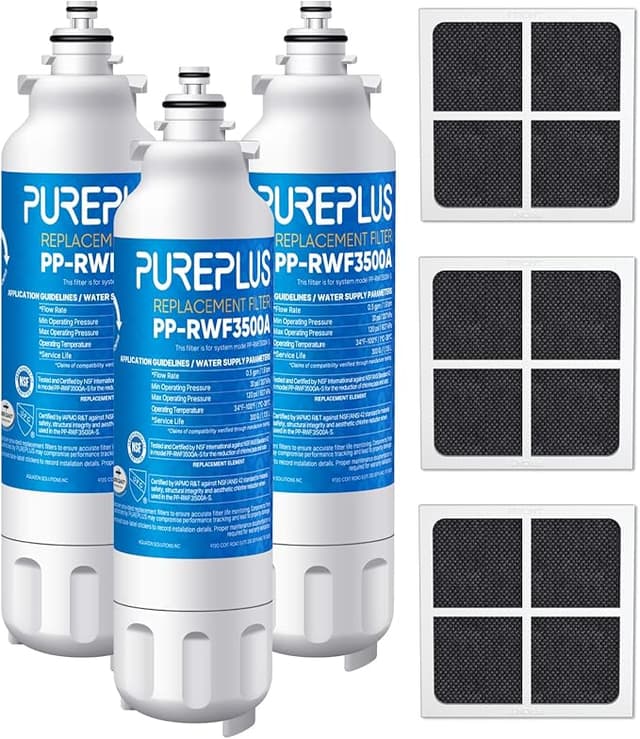
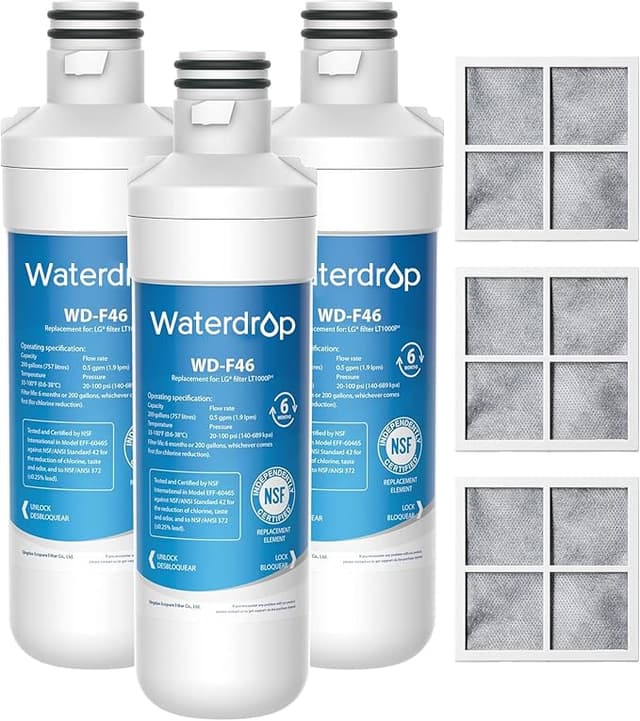
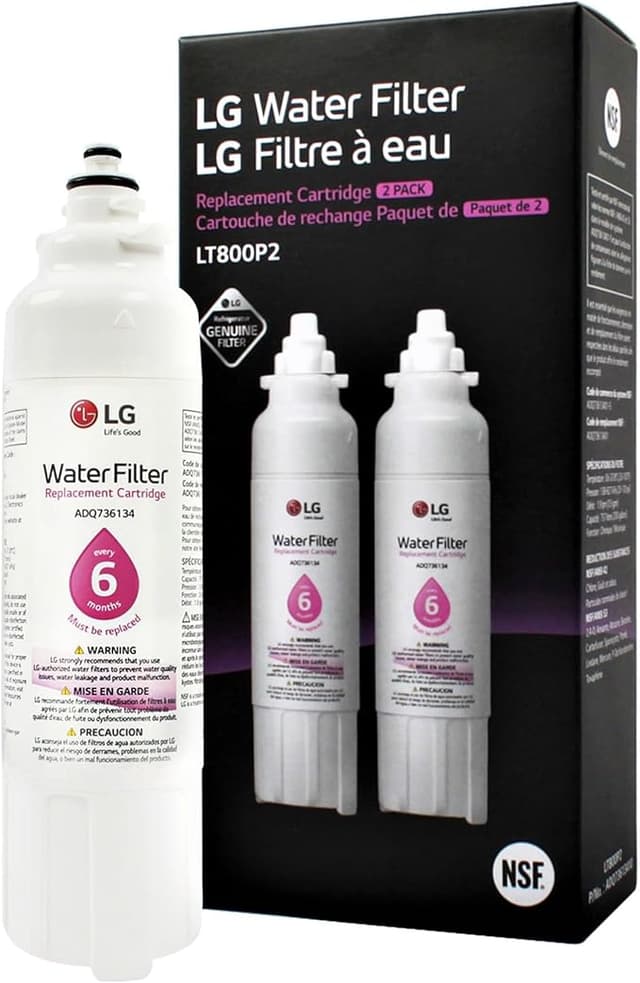
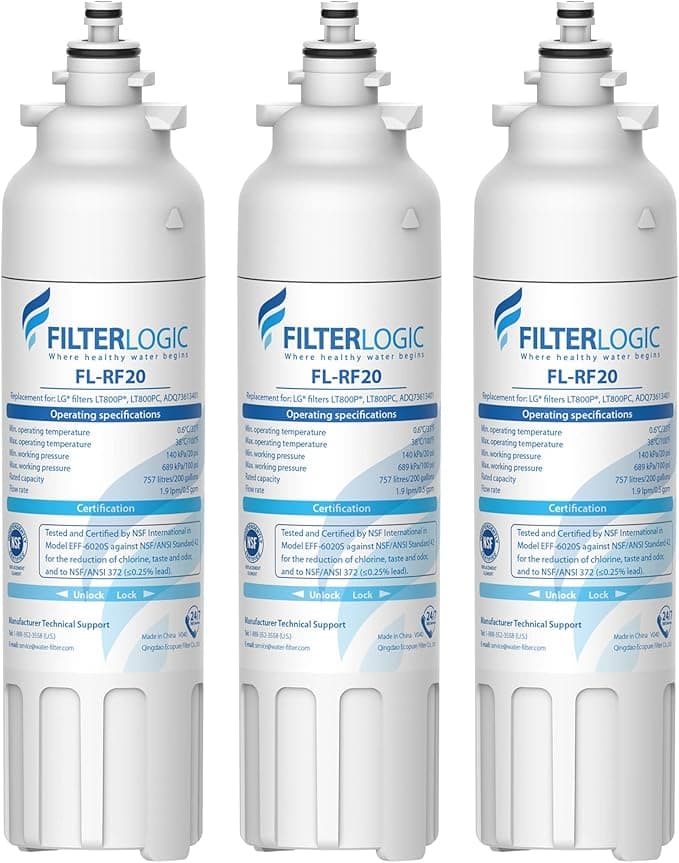
This is the compatible cartridge that replaces LG part #7361340. I've been running it in my fridge — the through-the-door water and ice setup — and I want to walk you through what actually happened, including the part nobody selling these wants to mention.
The money, plainly
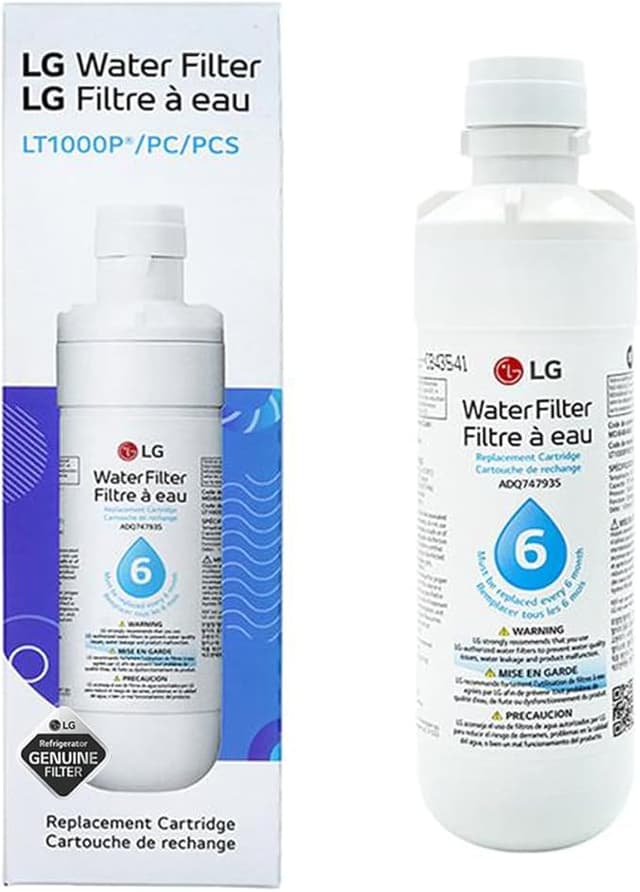
Here's the math that pushed me to try it. The genuine LG filter runs me somewhere around $50 a pop, sometimes $55 if I forget to buy ahead and grab one off a shelf in a panic. LG says swap it every six months. So that's two a year — call it $100 to $110 annually just to keep clean water coming out of a fridge I already paid for.
This compatible one is about $20. Two of those a year is roughly $40. So I'm keeping about $60 to $70 in my pocket every single year, and I'm doing it with the same NSF 42 and 53 certification stamped on the box — that's the certification that covers chlorine taste and odor (42) and the heavier stuff like lead and certain contaminants (53). Same activated carbon block media inside. I cut one of my old generics open once out of pure curiosity; the carbon core looked identical to the LG I'd pulled the week before.
Fit and install — where I expected trouble
If yours is the internal type, you press the release and pull the old cartridge straight out. Mine sits up in the upper right interior. The old one came out with a quarter-cup of water dribbling down my wrist, which is normal and which I forgot, again. New filter out of the wrap, popped the little protective cap off the end, lined it up, pushed until that click I already gushed about.
Then the part people skip and then complain about: you have to flush it. Run the dispenser for about four gallons — three to four minutes of just letting it pour into a pitcher and dumping it. The first water out was faintly gray-ish and tasted of, well, carbon dust. After the flush, nothing. Clean, flat, cold water. If you don't do this flush, you'll get a weird taste and blame the filter. It's not the filter. It's you skipping step five.
One real fit note: the collar on this compatible cartridge is a hair less snug than the genuine LG. Not loose — it seated and locked fine, and I've had zero drips in months — but if you wiggle it before it's locked, you can feel a tiny bit more play than the LG had. It locks down once it's clicked. I'm just not going to pretend the tolerances are machined to the exact same micron, because they're not.
The honest downside
For the first two or three days, the ice had a faint plastic smell. Not the water — the ice. I noticed it most in a glass of plain water with ice sitting in it for a while. By day four it was gone and hasn't come back, but it was real and it bugged me at first. I think it's off-gassing from the new housing plastic, not the carbon, because the dispensed water itself was fine after the flush. If you're sensitive to that, toss the first batch or two of ice cubes after install and you'll skip the whole thing.
The packaging is also cheap. Thin plastic clamshell, a folded slip of instructions printed slightly crooked. Doesn't affect the filter at all. But if you're someone who reads cheap packaging as a warning sign, I get it — just know the part inside performed.
Why a dead filter is the actual risk
Here's the thing that changed how I think about all of this. A spent carbon block isn't neutral. Once it's saturated — and six months is about when that happens with normal household use — it can start letting go of some of what it trapped, back into your water and ice. So the worst case isn't "I drank tap water." The worst case is you're past due, you think you're drinking filtered water, and you're actually getting water that's been sitting through a loaded-up cartridge. At $20 a swap, there is no good reason to ride one past its date to save money. That's the math that flips: the cheap filter only stays cheap if you actually change it on schedule.
Who should skip this
If your fridge is under warranty and you're the type who'd lose sleep over a service tech blaming a non-LG part for an unrelated problem, buy the genuine one and sleep fine. That's a legitimate reason. Same if you've got a specific medical water requirement — go with whatever your doctor signed off on, no debate.
For everybody else? I've bought this filter more than once now. It fits, it clicks, it passes the same certifications, and it saves me real money every year. The plastic-smell ice for two days and the slightly chattier packaging are the whole list of complaints, and neither one touched the water in my glass. For sixty-some bucks a year back in my pocket, doing the same job — yeah. I grab this one. I'll grab it again in six months.