Troubleshooting & Analysis
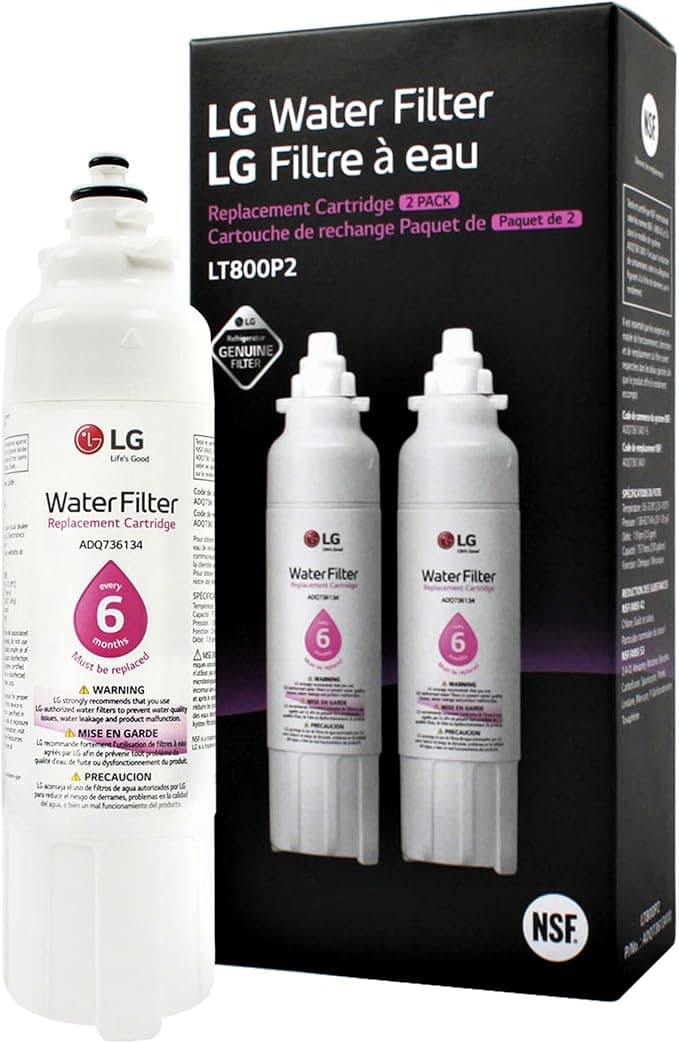
I'll be straight with you: when my brother-in-law handed me a $19 box and said "just use this in your LG, it's fine," I nodded and then quietly ordered the real LT800P anyway. Forty-something bucks. Because a twenty-dollar water filter sounded like the kind of thing that either leaks all over your kitchen floor or quietly poisons you for six months while you think everything's normal. I didn't believe a cheap one could be fine. So I bought both and ran them back to back in the same fridge, a French-door LG that goes through a lot of ice in summer.
Here's what changed my mind.
The price is the whole reason you're here
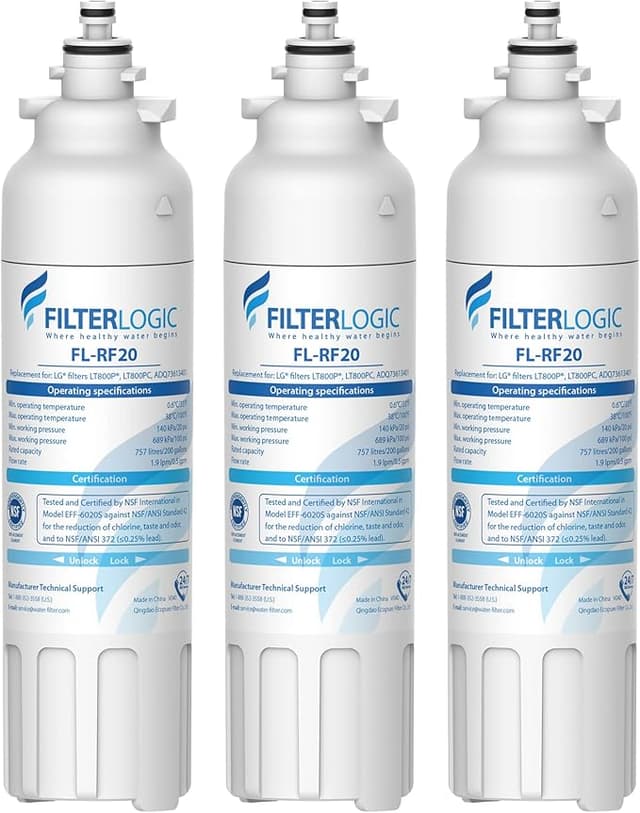
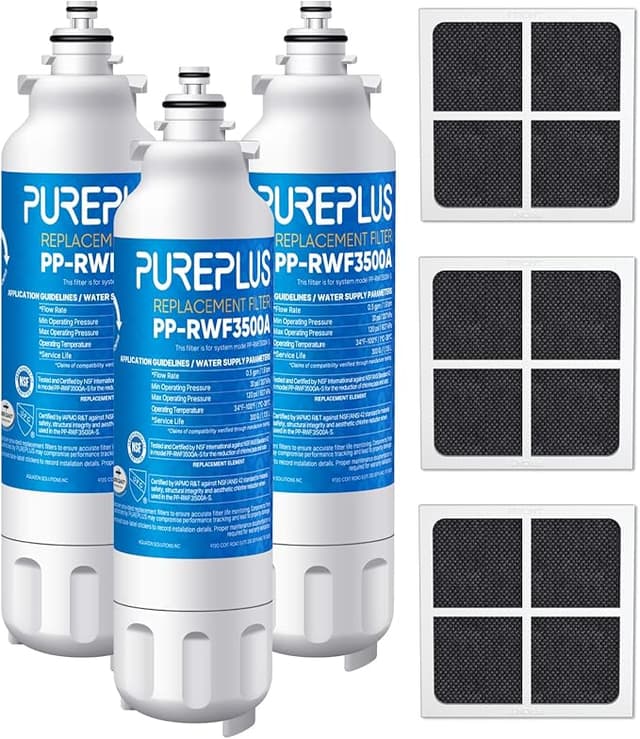
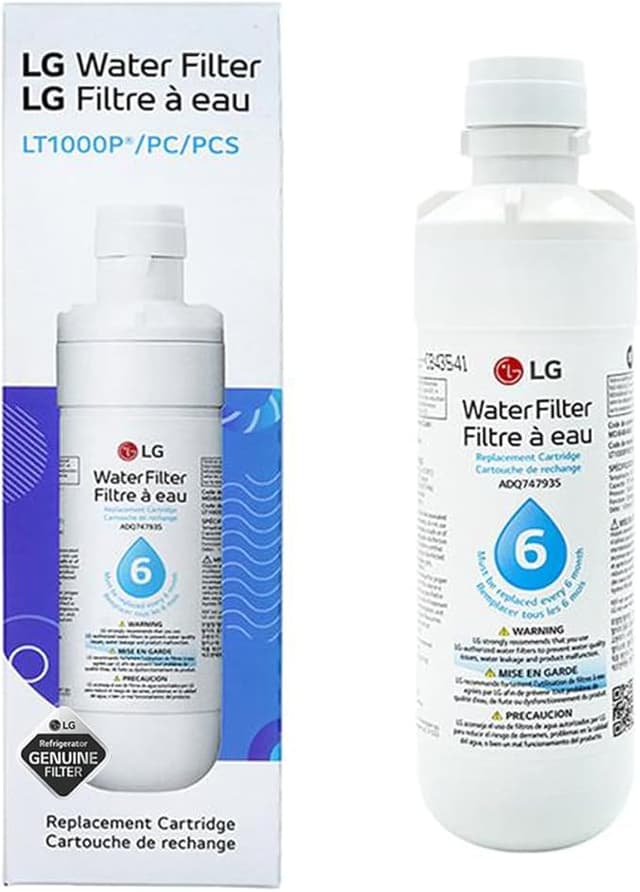
Let's not pretend otherwise. The genuine LG LT800P runs roughly $45 to $55 depending on where you catch it, and LG wants you swapping it every six months. That's two a year. Call it $100 annually just to keep water moving through a fridge you already paid a thousand-plus dollars for. The compatible NSF-rated version I've been buying lands around $18 to $22 a filter. Same six-month interval. So we're talking maybe $40 a year instead of $100, and the gap only widens if you've got the kind of household — kids, ice maker running constantly — that really should change on schedule and tends not to because the OEM stings.
That's the math that made me willing to risk the experiment. Sixty bucks a year is a tank of gas and then some.
Does it actually fit, or do you fight it
This was my real fear. LG's filter housing isn't forgiving — it's a twist-and-lock, and if the aftermarket tolerances are sloppy you get that maddening situation where it goes in but never quite seals, and you get a slow drip or air in the line forever.
The install on mine was exactly what LG describes: twist the old one a quarter turn to release it, line the new one up, push and lock until it clicks. The compatible filter clicked. It seated. Honestly it went in a hair easier than the OEM, which I half-expected to mean it was loose — but it held. Then you flush about three gallons through the dispenser to clear the air out, and yeah, do not skip that part. The first quart or two will sputter and spit air and look cloudy, and if you panic and stop there you'll swear the filter's bad. It's not. Run the three gallons. Mine ran clear and quiet after that and has stayed that way.
One honest note on fit: the plastic on the cap is visibly cheaper. The OEM has this slightly denser feel, and the compatible one looks a touch more... molded-in-a-hurry. Cosmetically it's a downgrade. Functionally, in the housing where nobody ever sees it, I stopped caring by day two.
How the water and ice actually taste
I'm pretty sensitive to that flat, slightly metallic tap-water thing my city water has in summer. The OEM kills it. The compatible one — and this surprised me — kills it just as well. Crisp, clean, no aftertaste, and the ice comes out clear instead of that cloudy white you get when a filter's failing or absent. NSF certification isn't a marketing sticker either; it means the thing was actually tested to reduce the contaminants it claims to, chlorine taste and the common stuff included.
Where's it a touch behind? Flow rate, maybe. If I'm being picky, I think the genuine LG pushes water through the door dispenser a hair faster. We're talking the difference between filling a glass in five seconds versus six. I only noticed because I was looking for a reason to dislike it. My wife never noticed at all, and she's the one who complains about everything.
The part nobody likes to think about
A filter isn't decoration. Once it saturates, it stops grabbing the chlorine, sediment, and whatever else your municipal water carries, and at that point you're essentially drinking tap quality through an expensive machine — and worse, a clogged filter starts straining your fridge's water valve. The danger with the cheap-OEM trap is that people stretch a $50 filter to nine or ten months "to get their money's worth," which is exactly when it's doing nothing. The whole argument for the compatible one is that at twenty bucks you'll actually change it on time. A fresh budget filter beats an exhausted premium one every single day.
So who should still buy the real LG?
If your fridge is brand new and still under a warranty you're paranoid about, and you'd lie awake wondering whether an aftermarket part gave LG an excuse to deny a claim — buy the OEM for those first months. It's not worth the anxiety to save forty dollars on a unit that's still covered. Same if you've got specific water-quality issues, well water with heavy sediment, that kind of thing — verify the compatible filter's reduction claims match what you actually need first.
For everyone else — and I mean the vast majority of people with an out-of-warranty LG who just want clean, good-tasting water and clear ice without the semi-annual sticker shock — I grab the compatible LT800P. I've now run them through two full change cycles. Same fit, same clean water, same clear ice, for less than half the price. The cap looks a little cheap and the flow's a touch slower. Those are the downsides. That's the whole list.
I didn't think a $20 filter could be fine. It is. I bought it again, and I'll buy it next time too.