Troubleshooting & Analysis
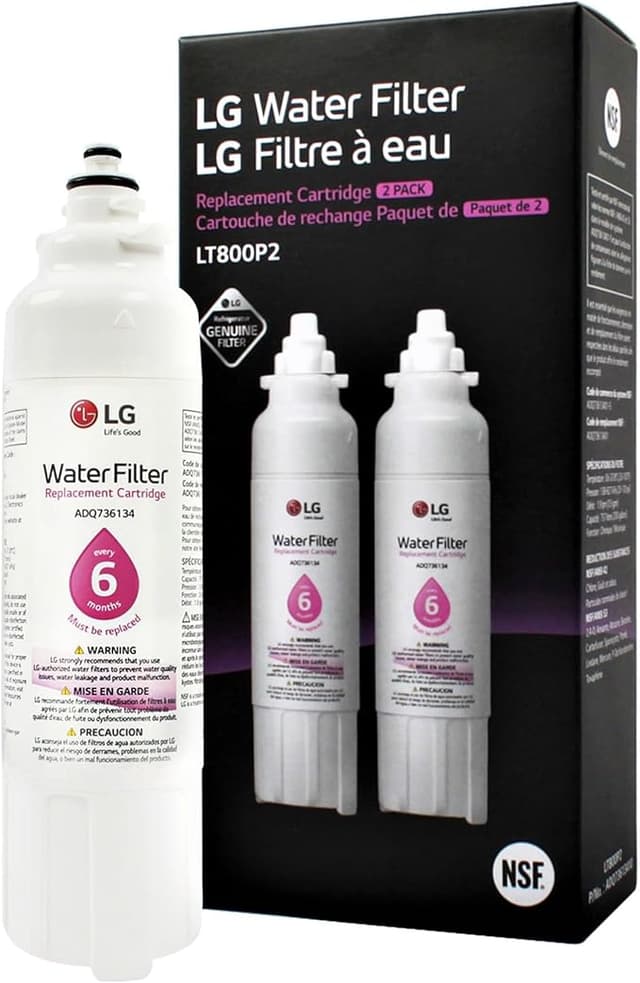
Fifty-five dollars. For a chunk of carbon in a plastic shell.
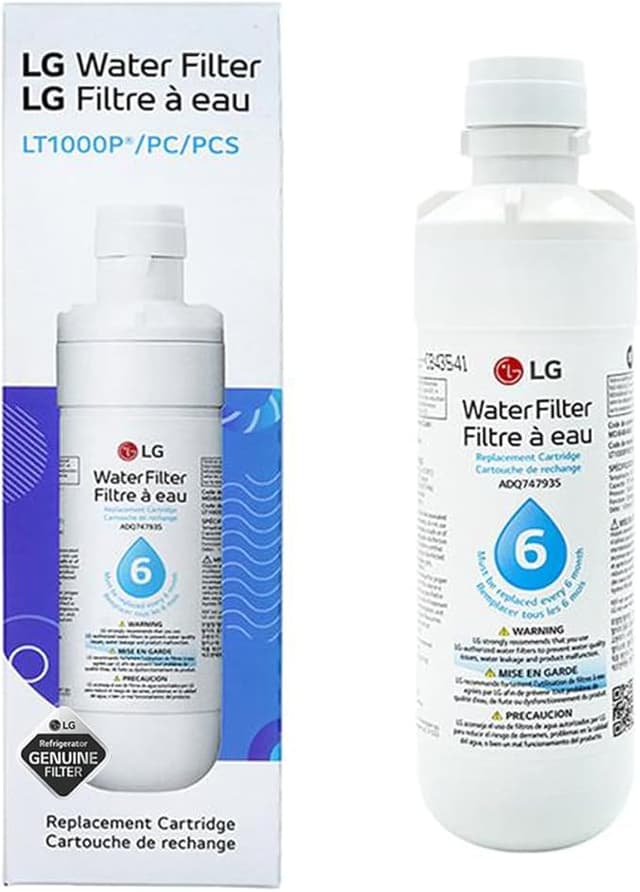
That's what LG wanted for one OEM LT800P. One. And the sticker on my fridge says swap it every six months, which means I'm looking at $110 a year to keep my water tasting like water. I stood there in the kitchen with the door open, doing the math, feeling vaguely robbed. The filter isn't a precision instrument. It's an activated carbon block. I know what those cost wholesale, and it is not fifty-five dollars.
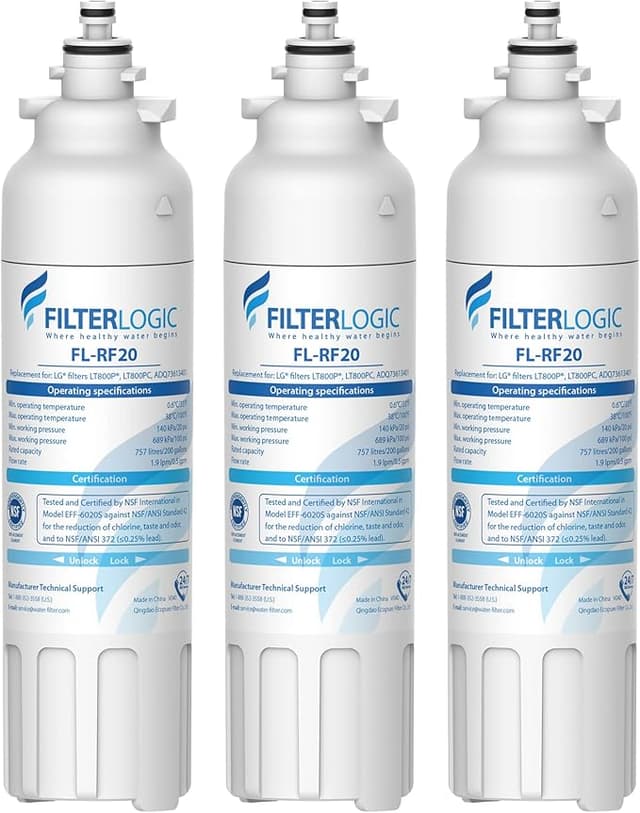
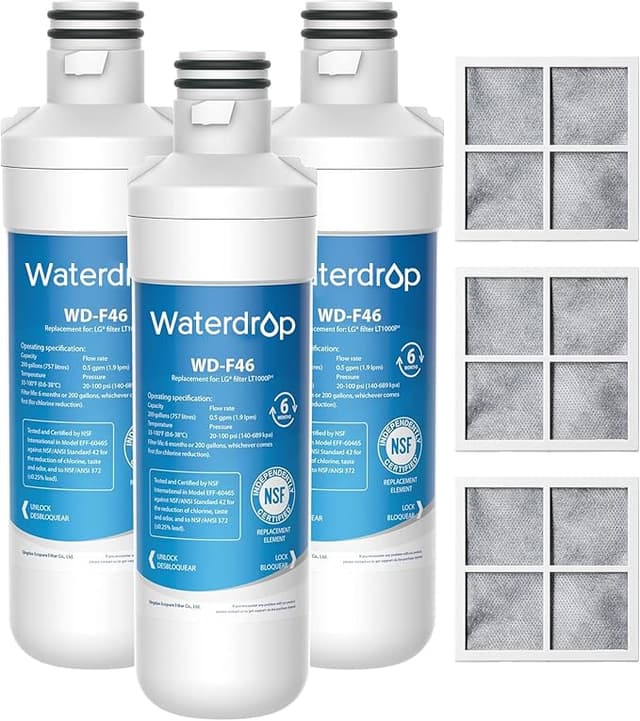
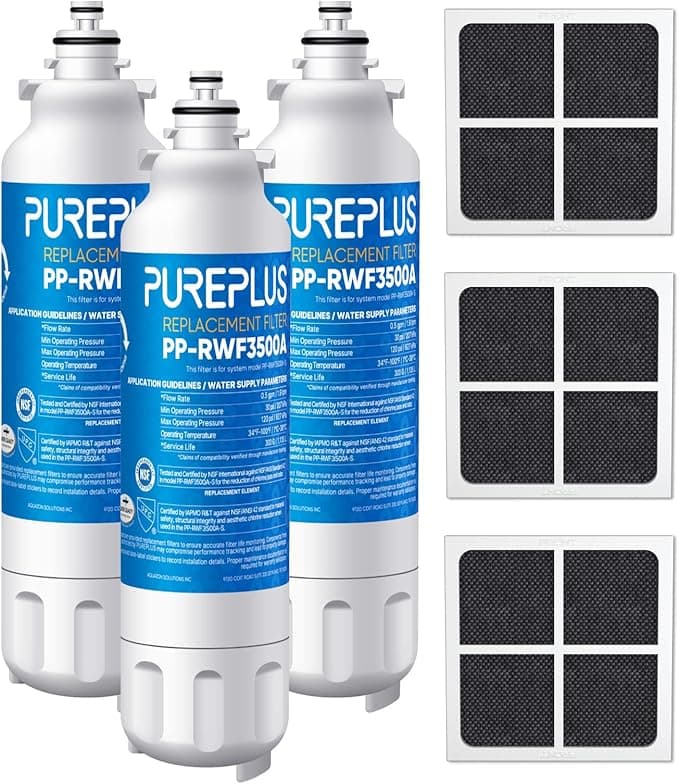
So a year and a half ago I stopped buying LG's. I switched to the compatible 7361340 cartridge — NSF 42/53 certified, same carbon block media inside — and two of them for a year cost me less than a single OEM filter. That's not a typo. Two replacements, the full year covered, and I still had change versus buying one genuine LG cartridge. I've now run four of these through my fridge. Here's the honest version of how that went, downsides included, because a review that's all sunshine is a review somebody got paid to write.
The install — basically a non-event
My LT800P sits up in the upper right interior of the fridge, the push-button kind, not the base-grille twist style. Pulling the old one is the same as always: press the release, the cartridge drops a quarter inch, slide it straight out. The new compatible filter went in the same way — line it up, push until you feel the click seat. And it did click. That's the moment I was actually nervous about the first time, because a filter that doesn't seat fully will dribble or bypass, and I half expected a cheap copy to be a hair off-spec.
It wasn't. Seated clean, clicked like the original. I'll give you the one quibble though: the frame tolerance is a touch looser than genuine LG. The first time I held them side by side, the compatible one had maybe a fraction more play in the housing before it locked. Once it clicks home it's solid — no leaks, no weeping, four filters deep — but if you're the kind of person who notices that the seam isn't as tight, you'll notice. Doesn't affect the seal. It just feels a half-grade cheaper in the hand, which, fine, it is.
Then run the dispenser. This part matters and people skip it: push four full gallons through before you trust the water. Takes three, four minutes of holding the lever and dumping it. The first pour comes out a little cloudy with trapped air and carbon fines — totally normal, that's the break-in. By the second gallon it ran clear. Skip the flush and your first glass tastes like a pencil. Don't skip the flush.
How it actually performs
This is the part you care about, so I'll be plain: I cannot tell the difference in the glass. Our tap water has a low-grade chlorine bite — that pool-ish edge — and the compatible filter strips it exactly as well as the LG did. Ice is clear, no off smell, no funny aftertaste in coffee. The whole point of the LT800P media is contaminant reduction across that NSF 42/53 list, and this thing is certified to the same standard, running the same activated carbon block. On taste and clarity it's a wash. Genuinely.
Where's it a touch behind? Flow rate, maybe, and only if I'm being picky. Late in a filter's life — month five, six — I think the dispenser slows down a hair faster on the compatible than my memory of the OEM. Could be confirmation bias, honestly. It's the kind of difference you'd never catch unless you were looking for a reason to complain. The packaging's also nothing to write home about: thin plastic clamshell, a sticker, no fancy box. I don't drink the box, so I don't care, but if unboxing matters to you, lower your expectations.
Why I don't push past six months on it
Here's the thing that actually keeps me on schedule, OEM or not. A carbon block doesn't fail loud. It fails quiet. Once that media saturates — and six months is about the honest ceiling for a household that uses the dispenser daily — it stops holding what it caught and can start handing those contaminants back into your water and ice. The scary part is it tastes fine while it's happening. You think you're drinking filtered water and you might be drinking something measurably worse than what comes straight out of your tap. That's the real argument for a filter you can afford to replace on time, instead of one so expensive you "stretch it" to nine months and quietly poison the schedule.
Which is sort of the whole case for the compatible, when I think about it. The cheap genuine-filter trap isn't the up-front price. It's that the price makes you procrastinate the swap.
Who should skip this — and who shouldn't
I'll be straight about who should buy OEM instead. If your fridge is still under an LG warranty that has fine print about aftermarket parts, read it first — some warranty language gets twitchy about non-genuine filters, and a $35 savings isn't worth a denied compressor claim. And if you simply sleep better with the LG name on it, that peace is worth something real to you and I won't argue.
Everybody else? Look — same carbon block, same NSF certification, same clean glass of water, fit that clicks home and holds, for roughly the cost of half an OEM cartridge per year. The frame's a little looser, the packaging's cheap, the first pour needs a proper flush. Those are the downsides and that's the whole list. For what I'm saving across a year, doing the identical job, I've bought this one four times now and I'm reaching for the fifth. That's not a pitch. That's just what's in my cart.