Troubleshooting & Analysis
The click is the first thing you notice
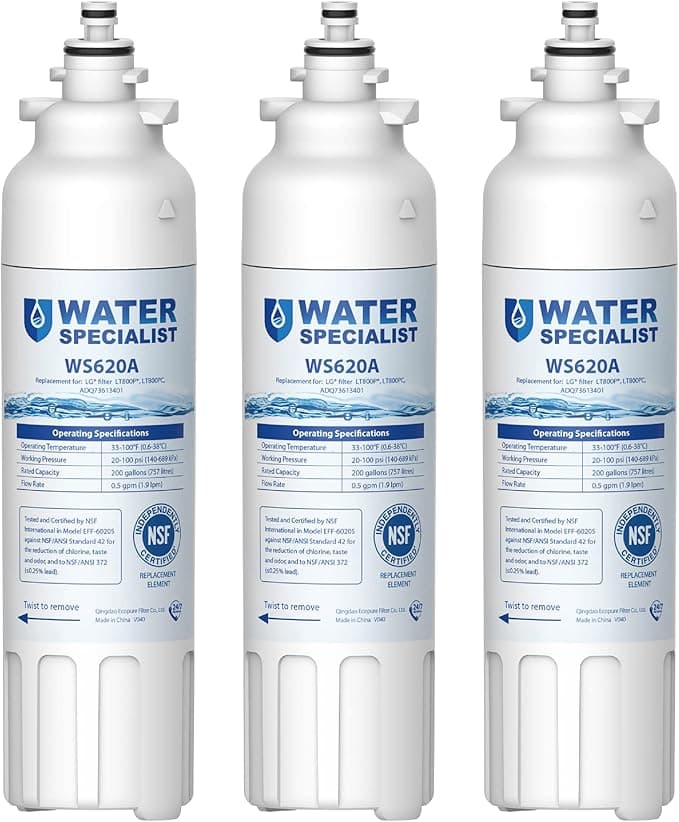
There's a specific sound an LG fridge filter makes when it seats right. A short, plasticky thunk — a quarter turn and it stops dead. The first time I dropped a compatible 7361340 into my fridge instead of the LG-branded LT800P, I half expected it to feel wrong. Loose. Wobbly. It didn't. Same thunk. Same dead stop. I stood there with the door open for a second longer than I needed to, just to be sure I hadn't talked myself into it.
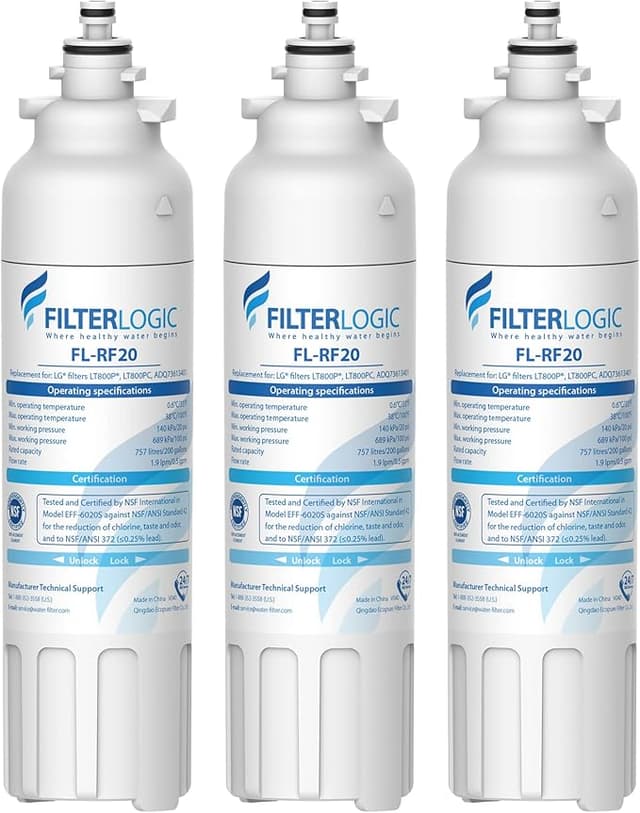
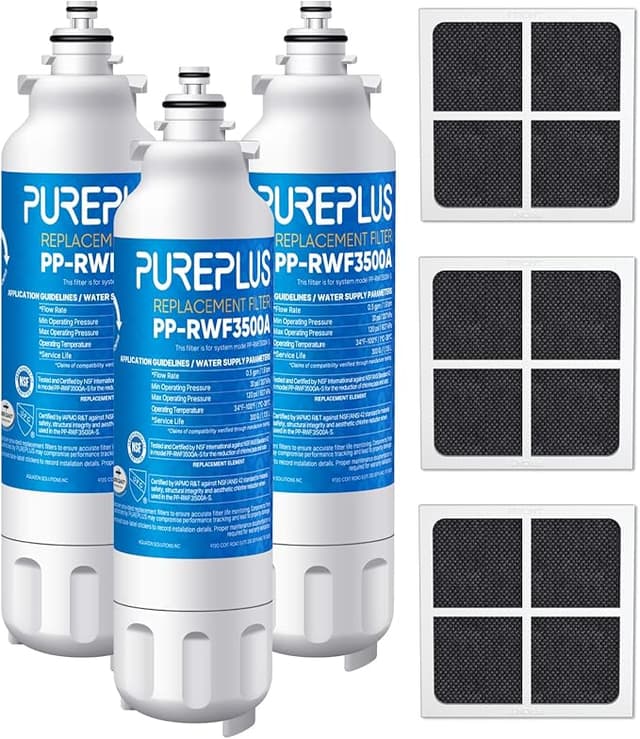
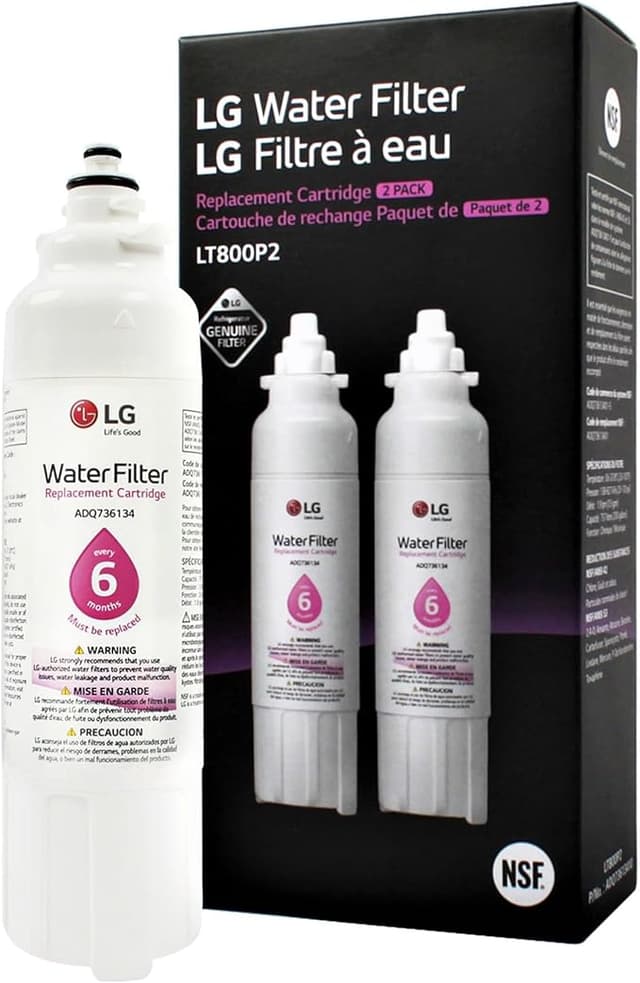
That's the whole anxiety, right? You own an LG fridge, your filter light went orange, and you're looking at a genuine LT800P for somewhere around fifty bucks and a compatible one for about half that. And the cheap one feels like a trap. Let me walk you through what actually happened after I'd been running mine for a few months, because the short version is: it's fine, with one caveat I'll get to.
The money, plainly
LG wants roughly $45–$50 for the OEM LT800P, and you're swapping it every six months whether you like it or not. Call it two filters a year. That's around a hundred dollars a year to keep clean water coming out of the door. The 7361340 compatible runs closer to twenty-five. Same six-month cadence. So you're at fifty a year instead of a hundred — and over the life of the fridge that's a few hundred dollars you spent on a logo. I'm not anti-LG. I just couldn't find a reason the printed brand on the cap was worth double.
The one thing I did care about: is the cartridge actually filtering, or is it a hollow tube that lets water through? Mine carries NSF certification, which is the line I won't cross below. If a compatible filter can't show me an NSF rating, I leave it on the shelf — that's the part where cheaping out genuinely bites you. This one cleared that bar, so I bought it.
Install: honestly a non-event
If you've changed an LT800P before, you already know how to change this one — they sit in the same spot, top-right interior on most LG models, and they twist the same way. Twist the old one out. It'll dribble a little; have a paper towel ready, that part's universal and not the filter's fault. Push the new 7361340 in and lock it with that quarter turn until you hear the thunk I mentioned. Then comes the step people skip and shouldn't: flush about three gallons through the dispenser before you drink any.
I cannot stress the flush enough. Skip it and your first few glasses taste faintly of, well, new plastic. Run three gallons and that's gone. This isn't a knock on the compatible — OEM filters need the same flush — but the cheaper packaging seems to trap a touch more of that fresh-cartridge smell, so I'd lean toward four gallons with this one to be safe. Carbon dust clearing out is normal; cloudy first glass is just air, it settles.
Where it matches OEM, and where it's a hair behind
Taste: dead even. I'm a little obsessive about this — I keep a glass from the old filter's last week and compare. Crisp, no chlorine bite, no metallic edge. The ice came out clear within a day, no white cloudy cubes, which is usually the first thing that goes wrong with a bad filter.
Flow rate: also even, near as I can tell. The dispenser fills a glass in the same handful of seconds it always did. No struggle, no trickle.
Now the caveat — and there is one. The frame on the compatible is a touch less precise than LG's. Not loose enough to leak, not loose enough to fail the seal, but if you wiggle the installed cartridge there's a whisper more play than the OEM has. On mine it's caused zero problems across months of daily use. But I'll be honest: I check it. When I walk past with the filter-change reminder in my head, I give it a gentle nudge to confirm it's still locked. With the genuine LT800P I never bothered. Small thing. Worth knowing.
Why none of this is something to shrug at
Here's the part that keeps me disciplined about the six-month swap regardless of which brand I buy. A filter that's past its life doesn't politely stop working — it stops blocking. The carbon saturates, and water starts carrying through more of whatever your municipal supply has in it: chlorine taste, sediment, the stuff the filter was there to catch. At that point you're paying for the convenience of a filter housing while drinking something close to straight tap. So the real money mistake isn't buying compatible. It's stretching any filter to nine or ten months because replacements feel expensive. Cheaper replacements make it easier to actually change on schedule, which is the whole point.
So who buys what
If your fridge is brand new and under warranty and you're the type who reads the fine print, stick with the genuine LT800P for the first couple of years — some LG warranty language gets twitchy about non-OEM parts, and the peace of that isn't worth fifty bucks if you'd lose sleep. Same if you simply hate the idea of checking a filter is seated. That's valid.
For everyone else — fridge out of warranty, paying out of pocket, tired of the LG markup — I grab the 7361340. It seats with the right thunk, the water tastes identical, the ice runs clear, and the only real cost is a one-second nudge-check every few months. I've reordered it twice now. For half the price doing the same job, I'd do it again. I have.