Troubleshooting & Analysis
The day my Intex pump started gurgling like a coffee maker
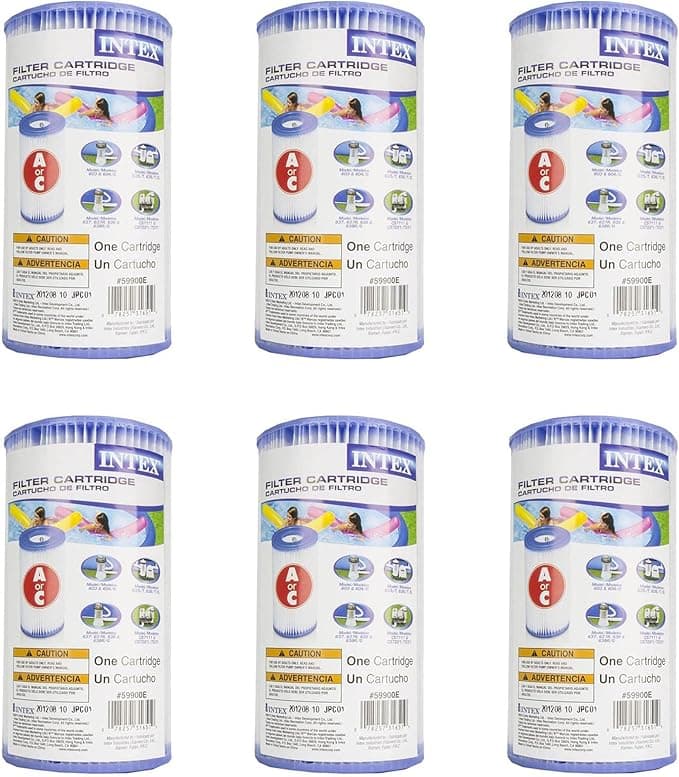
I almost didn't catch it. The water in my above-ground Intex was going from "a little hazy" to "why does this look like weak lemonade," and I figured it was the algae creeping in with the July heat. So I opened up the pump housing on my TYPE C/TYPE A setup expecting to swap the cartridge — and what I pulled out was barely a filter anymore. The pleats were packed solid, a gray-brown crust welded into the folds, and the whole thing smelled faintly sour. The motor had been straining against that brick for who knows how long, which is exactly why it had started making that gurgling, choking sound when it kicked on.
That's the thing nobody tells you. A clogged filter doesn't just stop cleaning — it makes the pump fight for every gallon. And a pump that's fighting is a pump that's wearing out faster than it should.
So I priced the replacements, and that's where it got annoying
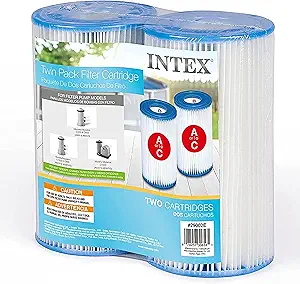
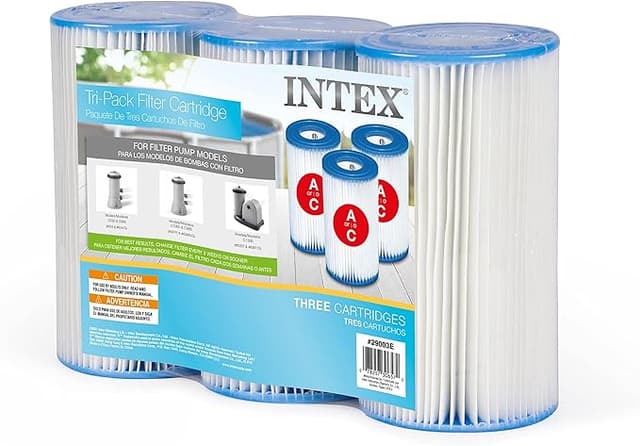
Here's what set me off. The genuine Intex cartridges, depending on where you look and when, run you something like $22 to $28 for a pack — and on a pool you're realistically swapping these every couple of weeks during heavy summer use. That math adds up to real money over a season. The verified compatible version that fits the same TYPE A spec? I've grabbed them for roughly 40 to 60% less. Call it twelve or thirteen bucks instead of twenty-five for the same part doing the same job. Over a summer of regular swaps, that gap is the difference between a nice dinner out and... a slightly cleaner pool. I know which one I'd rather have.
I'll be honest, I was skeptical. Pool stuff feels like one of those categories where the off-brand version is going to be flimsy and leak around the edges. So I bought the compatible one half-expecting to be writing a "don't bother" review. That's not how it went.
Does it actually fit? Yeah — with one small note
Install on the Intex is genuinely simple, and the compatible cartridge didn't fight me. I killed the power first (do this — water and a live pump is not a combo you want), pulled the housing, lifted the old crusty cartridge out, and gave the inside of the canister a quick wipe with a dry rag to knock loose the gunk that'd settled at the bottom. Dropped the new one in the same orientation, seated the cap, powered back up.
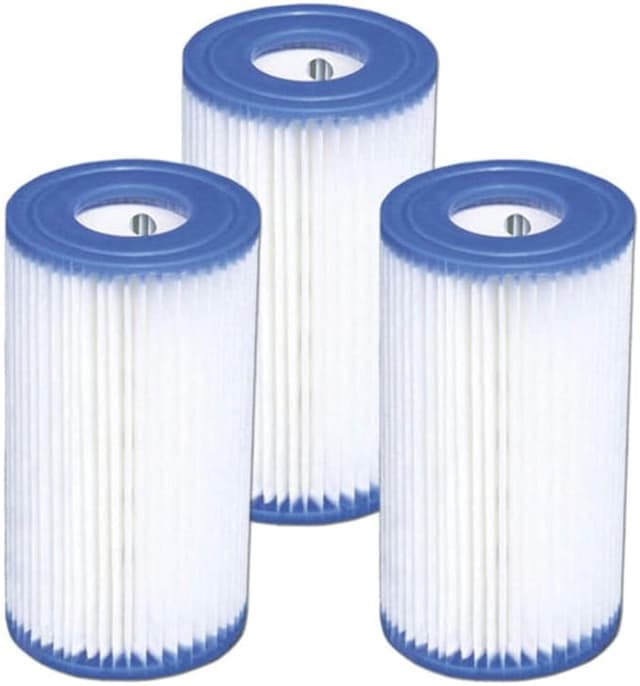
The fit was right. The cartridge sat down into the housing the way it's supposed to, and when I twisted the cap closed it sealed without me having to wrestle it. If I'm nitpicking — and I am, because that's the whole point of these writeups — the plastic end caps on the compatible one feel a hair less rigid than the OEM. Not loose, not leaky, just... you can tell it's built to a price. It seated fine and held a seal, but it doesn't have that same chunky, over-engineered feel the brand-name one has in your hand. After four weeks of running daily, it hadn't budged or distorted, so the "feels cheaper" thing turned out to be a vibe, not an actual problem.
How it actually ran
This is what I cared about. Within a day of swapping it in, the water went from lemonade back toward clear. By day three you could see the bottom of the pool cleanly again — the same turnaround I'd expect from a fresh genuine cartridge. The pump quieted down too, because it wasn't choking against a clogged brick anymore. Flow felt strong, no whistling, no struggle.
Where's it a touch behind OEM? Honestly, the gap is small, but I noticed the compatible cartridge seemed to load up with debris maybe a little faster toward the end of its life — meaning by the time I was due for the next swap, it looked more clogged than the genuine one does at the same point. Could be slightly less filter media packed in there, could be my pool was just dirtier that week. Either way, the fix is the same: you swap it on schedule. And at this price, swapping a few days earlier doesn't sting.
The downside I want to be straight about
Let me push on this, because "it's basically fine" is the kind of thing that gets people burned. The real tradeoff with the compatible cartridge is consistency. The genuine Intex part is boringly identical every single time — same density, same fit, every box. With the compatible ones, I've had one cartridge out of a multi-pack that felt very slightly thinner in the pleats than its siblings. It still worked. But if you're the type who wants every single unit to be metronome-identical, the OEM gives you that and the compatible mostly does. "Mostly" is the honest word.
The other thing: packaging is bare-bones. Thin plastic sleeve, no fancy box. Doesn't affect the filter at all, but if you were expecting OEM presentation, you won't get it. I genuinely don't care — it's a consumable that's about to get soaked in pool water — but you should know going in.
And the reason any of this matters at all goes back to that gurgling pump. A pool filter you let go too long doesn't just cloud the water; it makes your pump work overtime, and that pump is the expensive part of the whole rig. Keeping a fresh cartridge in there — whichever brand — is cheap insurance against a much bigger repair bill. The compatible filter doing that job for half the cost just means I'm more willing to swap it on time instead of stretching a tired one another week.
Who should buy what
If you run a commercial setup, or you genuinely cannot tolerate any unit-to-unit variation and want every cartridge identical down to the gram, buy the genuine Intex part and don't think about it. That's a real use case and I'm not going to pretend otherwise.
But for me — a guy with a backyard above-ground pool who swaps cartridges all summer and watched his OEM budget evaporate? The compatible cartridge cleaned the water just as well, fit the housing right, quieted my pump back down, and cost me close to half. I've reordered it. That gurgling-pump scare was the last time I paid full brand price for a part that's about to spend its whole life underwater. For fifty-some percent less, doing the same job, I'd grab the compatible one again — and I have.