Troubleshooting & Analysis
The smell hit before I even got it out of the wrapper
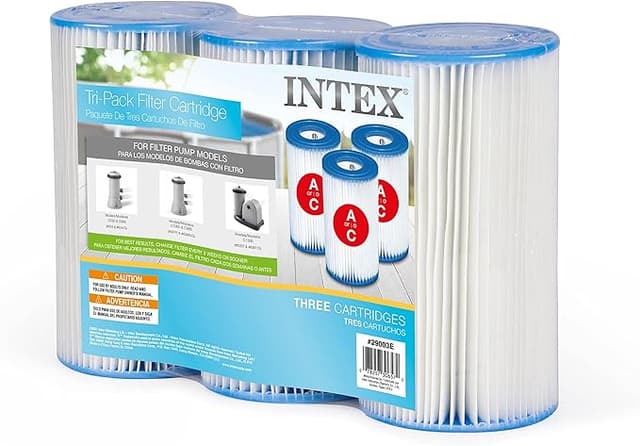
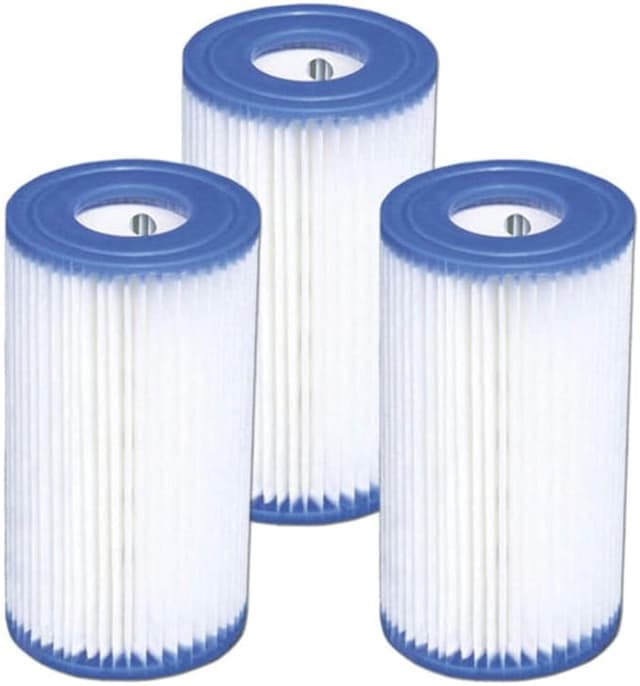
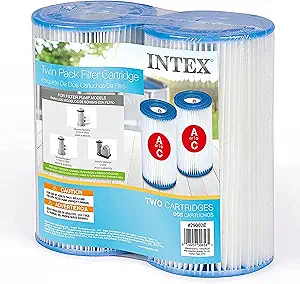
First thing I noticed pulling the compatible Type A cartridge out of its bag was that faint wet-cardboard-and-plastic smell — the kind every brand-new pool filter has, but this one a touch stronger. Not chemical, not alarming. Just cheap. I held it next to the genuine Intex Type A I'd been running all summer and, honestly, my gut said "here we go, I bought junk." Then I actually looked at it. The pleats were spaced about the same. The plastic end caps clicked into the pump housing with that same little resistance you feel when something's seated right. And that's the whole story of this filter, really — your first impression is "this is the discount version," and then it just... works.
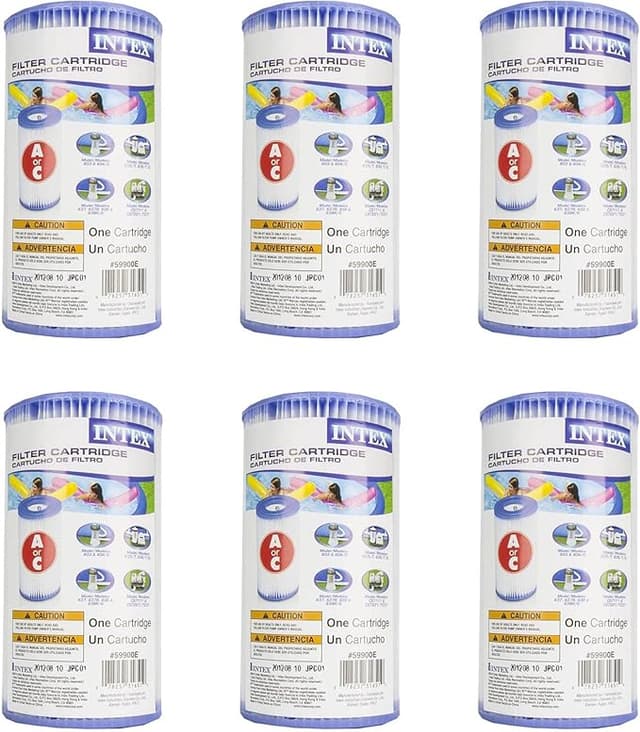
I'd been paying the brand premium for two seasons before I got fed up. Genuine Intex Type A cartridges run me around $11 to $14 each when I buy a single, and I go through one roughly every two weeks during heavy swim season. The compatible ones I switched to land closer to $6 a cartridge in a multipack — call it a $5 to $7 gap per filter. That doesn't sound like much until you do the summer math. I'm replacing a cartridge every couple weeks from May through September. That's maybe ten or twelve filters a season. The savings stack into the $50-to-$70 range over one summer for the exact same consumable job. For a part that's literally designed to get dirty and get thrown out, paying double felt insane once I added it up.
Does it actually fit, or do you have to fight it?
This is the part people are nervous about, and I get it. A pool pump that leaks because the cartridge doesn't seat is a real headache. So here's the honest install rundown. I powered down the pump and unplugged it first — non-negotiable, do not skip that. Pulled the lid off the filter housing, lifted out the soggy old cartridge (note which way it sits, though Type A is symmetrical enough that it barely matters), and gave the inside of the canister a quick wipe with a dry rag to clear the gunk ring at the bottom. Dropped the new one in the same orientation, pressed it down onto the center post until it sat flush, put the lid back, and powered up.
Total fiddling time: maybe ninety seconds. The new cartridge slid onto the standpipe with no forcing. I will say the outer diameter on the compatible one felt a hair — and I mean a hair — looser in the housing than genuine Intex. There was a tiny bit of side-to-side wiggle before I seated it. Once the lid was on and the pump pressurized, it didn't matter at all; no bypass, no water sneaking around the edge, clean flow through the pleats. But if you're the type who notices that kind of thing, you'll notice it. It's not a defect. It's just the tolerance being a touch wider than OEM.
Performance: where it matches, where it lags
Clarity-wise, I genuinely could not tell you which cartridge was in the pump on any given week. My water stayed clear, the pleats trapped the same leaf bits and bug carcasses and sunscreen film, and the pump pressure read normal. For the actual job — pushing pool water through paper pleats and catching debris — it does what the Intex one does. Full stop.
Where it lags is lifespan, a little. This is the real downside and I'm not going to paper over it. The genuine Type A cartridges seemed to hold up maybe a few days longer before the pleats packed solid and flow started dropping. The compatible ones felt like the paper was a touch thinner, so toward the end of a two-week run they'd clog up slightly faster, especially after a windy week when a lot of junk blew into the pool. I'm talking the difference between a 14-day cartridge and an 11-or-12-day cartridge. Given that I'm paying nearly half price, I'll trade a couple days of life happily — but if you let a clogged cartridge ride, that's where it bites you.
The thing nobody tells you about a dead pool filter
And this is worth saying plainly, because it's the actual reason any of this matters. When that cartridge packs solid and you keep running the pump anyway, you're not just getting cloudier water. You're making the pump motor work against a wall. The motor was never designed to compensate for a filter you should've swapped a week ago. I learned this the lazy way one August — stretched a clogged cartridge an extra ten days, and my pump started running hotter and louder than it should. A $6 filter was about to cost me a pump that runs north of a hundred bucks. So whatever cartridge you buy, OEM or compatible, the move is the same: swap it on schedule. The slightly shorter life on these just means you stay a little more honest about that. Hold it up to the sun — if light barely passes through the pleats, it's done.
Who should skip these
I'll be straight: if you run a small pool, swap filters rarely, and the few bucks a season genuinely doesn't move you, buy the genuine Intex and never think about it. The OEM lifespan edge and the marginally snugger fit are real, even if small. There's no shame in paying for the brand on a part you touch twice a summer.
But that's not me, and I doubt it's you if you're reading a page about compatible cartridges. I burn through these things. The faint plastic smell airs out after the first day of running. The slightly loose fit disappears the moment the lid's on. The shorter lifespan costs me a couple days I plan around anyway. And the price gap — five, six, seven bucks a cartridge, stacking toward sixty-plus dollars a summer — is money I'd rather keep. I've now run these compatible Type A cartridges through a full season, and when the multipack ran low last month, I reordered the same ones without a second thought. That's the most honest verdict I can give you: I bought them again, with my own money, because for a consumable that's just going to get dirty and tossed, paying double makes no sense.