Troubleshooting & Analysis
I didn't believe a $20 filter could be fine either
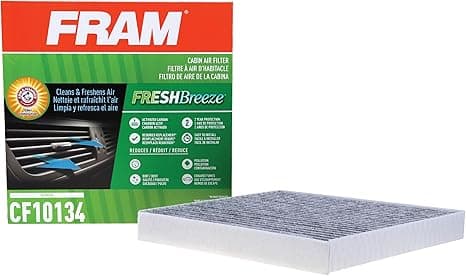
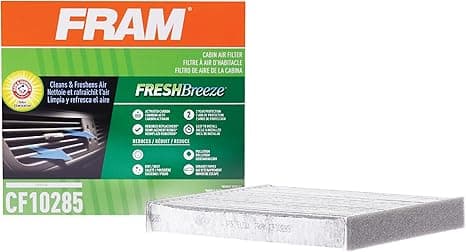
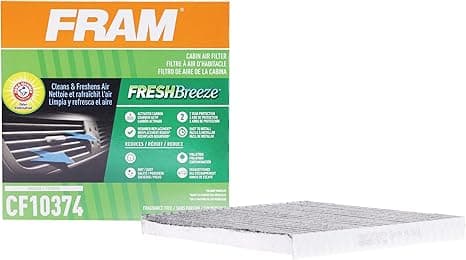
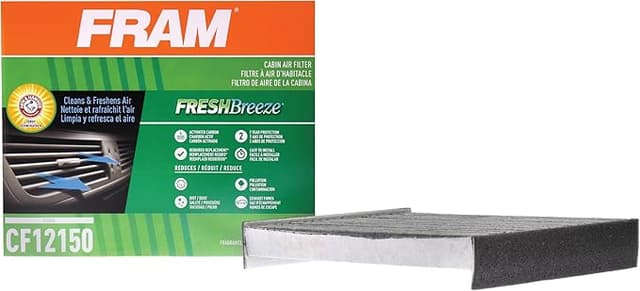
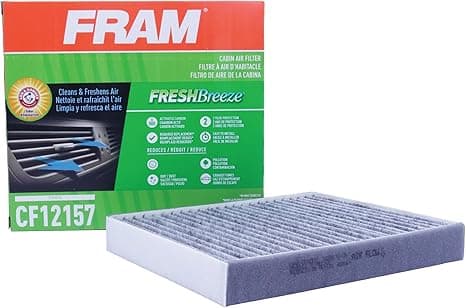
Let me be straight with you. The first time I bought a compatible cabin air filter for my Nissan — the CF12157 fit, the one Fram sells under their own name for the NX350, ES350, and NX450 — I almost didn't. I had the OEM box in one hand and the third-party one in the other, and the price gap made me suspicious instead of happy. My exact thought was: what are they cutting to sell it for that? Cheaper media? Less pleating? A frame that won't seat and lets unfiltered air sneak around the edges? I've been burned by "compatible" parts before. So I bought the cheap one mostly to prove myself right.
It's been in my car for about five months now. I was wrong, and I'm a little annoyed about how wrong.
The price math that actually got me
Here's the part that turns suspicion into a purchase. The Fram-branded version of this filter runs in the low-to-mid $30s at most parts counters — call it around $34 when I last looked. The compatible CF12157 I bought was closer to $18. That's a $16 gap on a part you replace once, maybe twice a year. Round it: roughly 40 to 60 percent less for the same job.
And it is the same job. A cabin filter isn't a precision component doing anything clever — it's a pleated panel of filter media that catches pollen, road dust, and the gritty stuff your blower motor would otherwise push straight into your face. The OEM markup on a consumable like this is paying for the logo on the box, not for better air. Once I understood that, the $16 stopped feeling like a risk and started feeling like a tax I'd been paying for no reason.
Does it actually fit?
This is the real fear with compatible parts, and it's the right fear. A filter that's a millimeter too small lets air bypass the media — you've then paid for a filter that does almost nothing. So I paid attention during the swap.
The job itself is simple and takes about ten minutes the first time, less after that. Glovebox out of the way, pop the cover behind it, slide the old one down and out. I'll be honest about one thing: noting the airflow-direction arrow on the old filter before you yank it matters more than people say. I clean the empty housing with a dry cloth — five months of trapped leaf bits and dust live in there — and slide the new one in the same orientation, arrow pointing the way the old one did. Snap the cover back, reseat the glovebox, done.
The CF12157 frame went in with the same firm push as the original. It seated flush. No gap at the corners, no flex when I pressed on it, no daylight around the edges. That was the moment my suspicion really cracked — because a sloppy fit is the one thing that would've made this a waste, and it just wasn't there.
The honest downsides
I'm not going to pretend it's identical out of the box, because it isn't, and a review that claims perfection is lying to you.
First: the smell. For the first two or three days there's a faint plastic-and-cardboard odor when the fan's on high. Not chemical, not strong, but it's there if you're paying attention. By day four I'd completely stopped noticing it. It's break-in, the same thing a lot of new filters do — it just announces itself a little more on the budget one.
Second: the packaging is cheap. Thin plastic sleeve, a sticker label, none of the molded tray the brand-name box comes in. The filter showed up fine, but it doesn't feel premium in your hands, and if that bothers you, know it going in. It has zero effect on how it works — it's just where they saved money, and I'd rather they cut the box than the media.
Third, and this is minor: the frame edges felt a hair less rigid than OEM when I flexed the panel before installing. Not flimsy — it held its shape in the housing without bowing — but you can feel the cost difference if you go looking for it. After five months in the car it hasn't sagged or deformed at all, so the looser feel never turned into a real problem. But I noticed.
How it actually performs
Airflow out of the vents is the same as it was with a fresh OEM filter — no whistling, no reduction, no weird restriction at full blast. The thing I really watched for was filtration on a long dusty drive, the kind where you'd normally feel grit in your nose. I took it on a gravel-road trip about two months in, windows up, recirculation off, and the cabin stayed clean. That was the second test it quietly passed.
The one place I'll give OEM a slight edge is the activated-carbon performance if you buy the carbon version — premium brand-name filters sometimes knock down odors a touch longer before the carbon saturates. We're talking a small difference, the kind you'd only notice in a side-by-side. For pollen, dust, and general air quality, which is what most people actually care about, I genuinely cannot tell them apart.
Why not just skip it and run the old one longer
Quick word on this, because the temptation is real when money's tight. A clogged cabin filter doesn't just make the air stale — it chokes your blower motor and forces your HVAC system to pull harder than it was designed to. That's the part that costs you. A worn $18 filter staying in there to "save money" can put strain on components that are far more expensive to fix than the filter ever was. Replacing a consumable on time is the cheap insurance. Don't be the person who skips it.
Who should buy OEM — and what I actually do
If you lease, or you're selling soon and want every line item to read "genuine," buy the brand-name one and don't think about it. Same if you're chasing the absolute longest carbon odor-control life and the $16 doesn't register. No judgment.
For everyone else? I went in trying to prove the cheap CF12157 was a corner-cut compromise, and instead I found a filter that fits flush, moves air like the original, traps what it's supposed to, and costs roughly $16 less. The plastic smell fades in three days, the packaging is forgettable, and the frame's slightly softer feel never amounted to anything in five months of real driving. I'd buy it again — and the next time mine's due, I will.