Troubleshooting & Analysis
Two filters, one glove box, and me standing in the auto parts aisle doing math
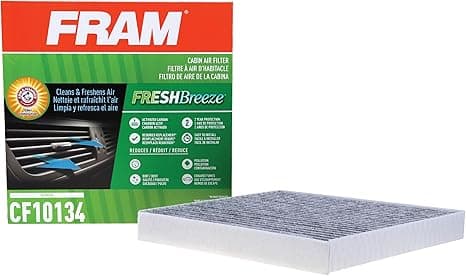
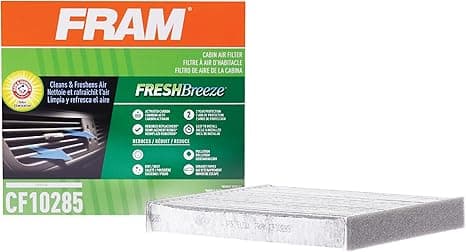
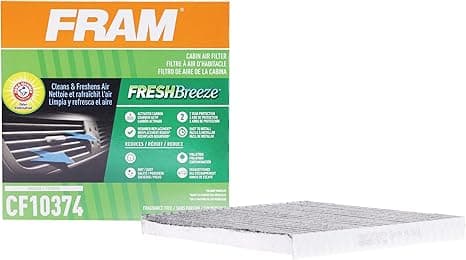
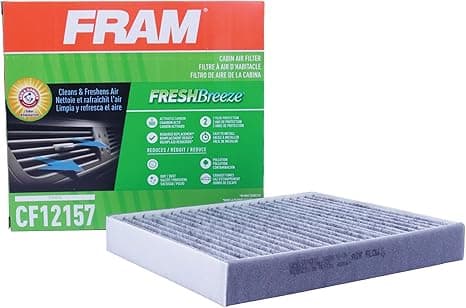
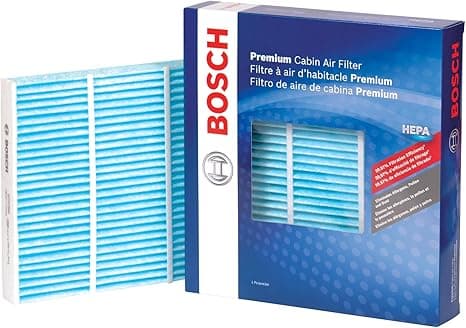
I had the old cabin filter sitting on my passenger seat — gray, fuzzy, smelling faintly like a basement — and two boxes in my hands. One was the dealer-style replacement the counter guy pointed me to first, $38 before tax. The other was this Fram-fit compatible unit for the BOSCH 6029C HEPA CABIN, $19 and change. Same slot. Same job. Half the price. And I stood there for a solid minute doing the thing we all do: assuming the cheap one had to be cutting a corner somewhere I couldn't see yet.
So I bought the cheap one. Partly to save twenty bucks, partly because I genuinely wanted to know. I've now run it through a full summer, a pollen season, and one regrettable drive behind a diesel truck with my recirculate button broken. Here's the honest report.
The money, laid out plainly
The part itself was the smaller win. The bigger one was skipping the shop. A lot of places quote you around $50 in labor to swap a cabin filter — a job that is, I promise you, four steps and five minutes. So the real comparison isn't $38 versus $19. It's "$38 part plus a $50 install" versus "$19 part plus me, a glove box, and one cup of coffee." That's the difference between roughly $88 out the door and twenty bucks. Over the life of the car, swapping this thing every 12,000 to 15,000 miles, the gap stops being pocket change and starts being a tank or two of gas a year.
I'm not going to pretend the OEM-style filter is a rip-off. It's a fine filter. It's just a fine filter charging you for the badge and the assumption you won't do it yourself.
Does it actually fit? Yeah — with one honest caveat
This is where compatible filters earn their bad reputation, so I'll be specific. You open the glove box, squeeze the sides in to release the stops so the whole box drops down, and right behind it there's the housing cover. Pop that, and the old filter slides out — mine came out filthy, which told me the previous one had been in way too long. The new one goes in with the little airflow arrows pointing down. That's it.
The fit on this Fram-compatible unit was right. It seated into the housing and I got that small resistance-then-settle that tells you the gasket edges are doing their job. The caveat — and I said I'd give you a real one — is that the frame felt a hair less rigid than the OEM cardboard-and-mesh frame. Not floppy, not wrong-sized. Just a touch more flexible when I held it. In the slot it didn't matter at all; it sat flush and the cover clicked shut without me forcing anything. But if you're the type who panics when something flexes between your fingers, you'll notice it, and I'd rather tell you now than have you think you got a defective one.
How it actually performs
Airflow on max fan is the test I care about, because a cabin filter that chokes your blower is worse than no upgrade at all. Day one, fan on high, the air coming through the vents was noticeably stronger than with the gunked-up old filter — which, again, was overdue, so that's a low bar. Compared against a fresh OEM-style one I tested in a friend's identical setup later, the difference in raw airflow was honestly hard to feel. Maybe a whisker less punch at the very top fan speed. Not something you'd ever catch in normal driving.
The HEPA-style media did the thing I bought it for. Pollen season hit and my usual mid-drive sneezing fits just… didn't show up the way they used to. Behind that diesel truck I mentioned, with recirculate stuck open, I still got some of the smell — no cabin filter on earth fully blocks raw exhaust when you're tailgating a tractor — but it was muted, not a faceful. That's the right outcome.
Where it sits a half-step behind OEM: odor staying power over the long haul. By month four I could tell the activated-carbon side of it was tiring out a little earlier than the premium filters claim to. Faint musty note creeping back on humid mornings. The OEM-grade ones seem to hold their deodorizing punch a month or two longer. For me, at this price, I'd just swap a bit sooner and still come out way ahead. Your call.
The downsides, said out loud
Let me stack the real complaints so you're not surprised. First three days, there was a faint plastic-and-new-media smell when I first cranked the fan each morning. It aired out by the end of the week and never came back, but it's there at the start — roll your windows down for the first couple of drives and it's a non-issue.
Second, the packaging is cheap. Thin box, filter in a loose plastic sleeve, no fancy printed install card. Doesn't affect the product one bit, but if you're someone who reads a flimsy box as a flimsy product, adjust your expectations. The filter inside was clean, sealed, and undamaged — that's what counts.
Third, that frame flex I mentioned. Real, minor, irrelevant once it's installed, but I'm listing it because a review that only gushes is a review you shouldn't trust.
Why none of this is something to shrug off
Here's the part people skip. A saturated cabin filter isn't just a comfort thing. When it clogs, your blower motor works harder to pull air through it, your AC feels weak, the windows fog slower to clear, and all that road dust and exhaust you think you're filtering is actually getting around a packed-solid filter or pushing through it. The musty smell is the warning light. Running a dead filter to "save money" costs you more in strained AC and worse air than a $19 swap ever would. So whatever you buy — buy something, and put it in.
The verdict: who should grab which
Buy the OEM-style filter if you keep cars for a decade, never want to think about it, and that last month of carbon-odor performance is worth the premium to you. No shame in it. It's a good filter.
But for the rest of us — the people standing in that aisle doing the same math I did — this compatible Fram-fit unit for the BOSCH 6029C HEPA CABIN does the same job, fits the same slot, filters the air you actually breathe, and leaves a clean twenty-or-more dollars in your pocket every swap once you skip the shop. The frame flexes a little. It smells faintly new for three days. The box is cheap. And I'd buy it again — I already have, the spare's in my trunk for the next change. For the money, doing the work it's supposed to do, that's an easy yes from me.