Troubleshooting & Analysis
I didn't believe a $20 filter could be fine either
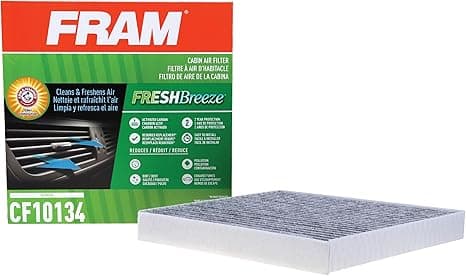
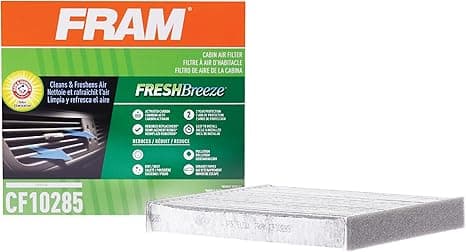
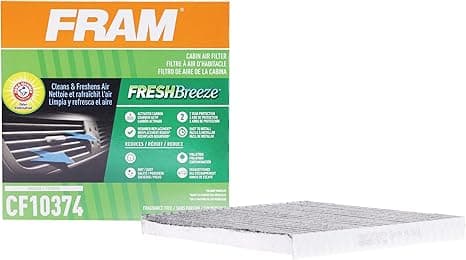
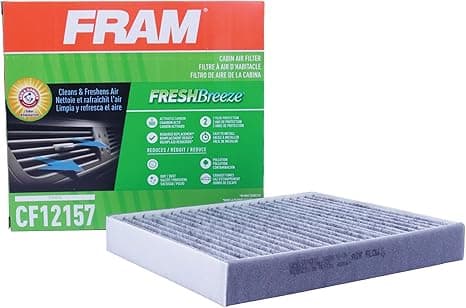
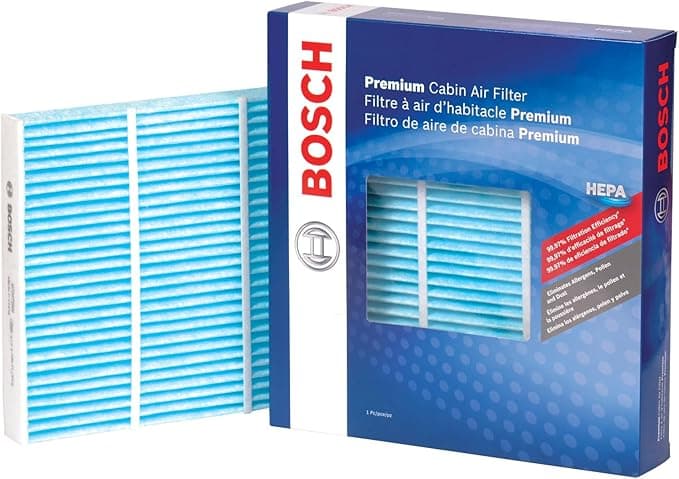
Here's the thing — I'd already replaced the cabin filter in this Bosch 6019C HEPA unit once before, the "right" way, and it cost me a chunk of change and a trip to the shop. So when I saw the Fram-compatible HEPA cabin filter sitting there for around twenty bucks, my first reaction wasn't "great deal." It was "yeah, sure." I figured it'd be thinner cardboard, looser pleats, the kind of thing that sags after a month and lets the cabin go musty again. I bought one anyway, mostly to prove myself right.
I was wrong. Mostly.
The money, plainly
Let me give you the math I actually ran in my driveway. The shop wanted about $50 just for the labor — the install fee — on top of whatever the filter itself ran. And this is a five-minute job. The compatible HEPA cabin filter I grabbed was right around $20, all in. So instead of bleeding $50-plus every service interval, I'm spending twenty and ten minutes of my own time, twice a year. Over a couple of years that's the difference between a tank of gas and, well, several tanks of gas.
Cabin filters aren't a once-and-forget part. Most people swap them roughly every 12,000 to 15,000 miles, or once a year if you drive less. So that price gap isn't a one-time thing — it compounds. Pay the OEM-plus-labor route year after year and you've spent more on filtration than the part is worth. Do it yourself with the compatible one and the savings stack up fast.
Does it actually fit?
This was my real worry. A cabin filter that's a millimeter off doesn't seat, and then you've got unfiltered air sneaking around the edges — which is worse than the old filter you just yanked.
The install itself is genuinely easy. You open the glove box, release the little stops on the sides so the box drops down all the way, and the filter housing cover is sitting right there behind it. Pull the cover, slide the old gray-brown filter out — and honestly, look at it when you do, because the color of the thing you remove tells you everything about why you're doing this. Mine came out looking like a furnace had been breathing through it. Then the new one goes in with the airflow arrows pointing down.
That arrow part matters more than people think. Get it backwards and the HEPA media works against the airflow instead of with it. The compatible Fram-fit unit had the arrows printed clearly on the frame, which I appreciated — some cheap ones don't bother and you're left guessing.
The fit? It seated. There was a tiny bit of fiddling — the frame on this compatible one is a hair less rigid than the OEM, so I had to give one corner a gentle push to get it square in the channel. It clicked in and the cover snapped back without forcing. No gaps I could feel running my finger around the edge. That's the test that mattered to me, and it passed.
How it actually performs
The reason I went looking in the first place: the car had started smelling musty, that damp gym-bag thing that creeps in when the filter's saturated and airflow drops. Within a day of the swap, that was gone. The fan on the lowest setting moved noticeably more air than it had the week before — which tells you how choked the old one was, but also tells you this compatible HEPA media isn't restricting things. Road dust and that diesel-exhaust funk when you're stuck behind a truck? Cut way down. On the HEPA filtration side, doing the actual job of catching fine particulate, I genuinely can't tell it apart from the pricier route.
Where it's a touch behind OEM: the media feels very slightly less dense when you hold the two side by side, and I'd bet the OEM lasts a month or two longer before it loads up. But at this price, swapping a little more often is a non-issue. You're still way ahead.
The downsides — because there are some
I told you I'd be straight, so here's the real list.
First, the smell. For the first two or three days there was a faint plasticky odor when the fan kicked on — that fresh-out-of-the-bag chemical scent. It's not strong and it airs out completely by about day four, but if you're sensitive to that kind of thing, run your AC on full with the windows cracked for the first drive and it clears faster. It's the one consistent knock against compatible filters and this one isn't immune.
Second, the packaging is cheap. Mine arrived in a thin plastic sleeve, slightly crushed at one corner. The filter itself was fine — pleats intact, frame undamaged — but it does not arrive looking like a premium part. If you need the box to feel expensive, this'll bug you.
Third, that frame flex I mentioned. It's minor, but it means you have to actually pay attention during install instead of just shoving it in. A genuinely sloppy person could seat it crooked and not notice. Take the extra ten seconds to check the edges.
Why a dead filter is worth caring about
It's easy to treat the cabin filter as optional because the car runs fine without one. But a saturated filter doesn't just smell — it chokes airflow, which makes your AC and blower motor work harder than they should, and it stops doing the thing it's there for: keeping road grime, pollen, and exhaust out of the air you and your passengers are breathing on every commute. A clogged one is genuinely worse than a cheap fresh one. That's the whole argument for not skipping it.
The verdict
Who should still pay for OEM? If your car's under warranty and the dealer is fussy about parts, or if that two-to-three-day break-in smell is a dealbreaker for you, go OEM and don't think twice.
Everybody else — this is the one I grab. I came in expecting to confirm that cheap meant junk, and instead I've now put the compatible Fram-fit HEPA cabin filter in twice. It seats, it filters, it killed the musty smell, and it saved me the fifty-dollar labor fee for a job that takes five minutes in the driveway. The plastic smell fades, the packaging gets thrown away anyway, and the air's clean. For twenty bucks doing the same work, I'd buy it again. And I have.