Troubleshooting & Analysis
Standing in the furnace closet with two filters and a flashlight
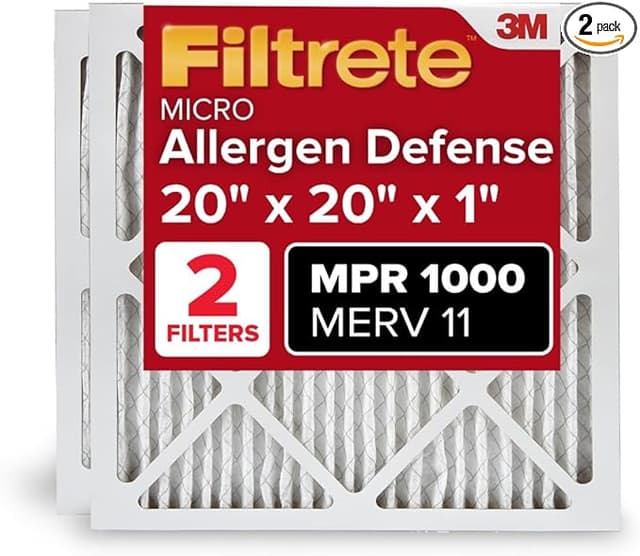
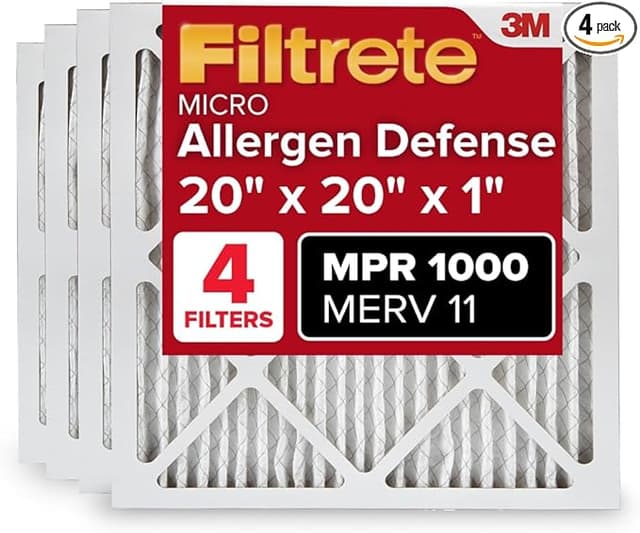
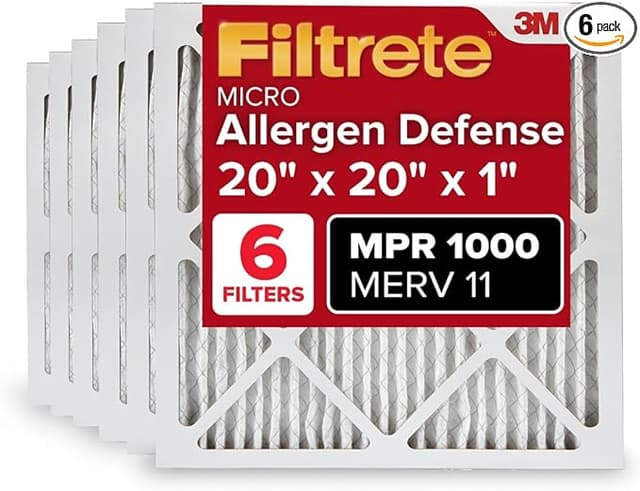
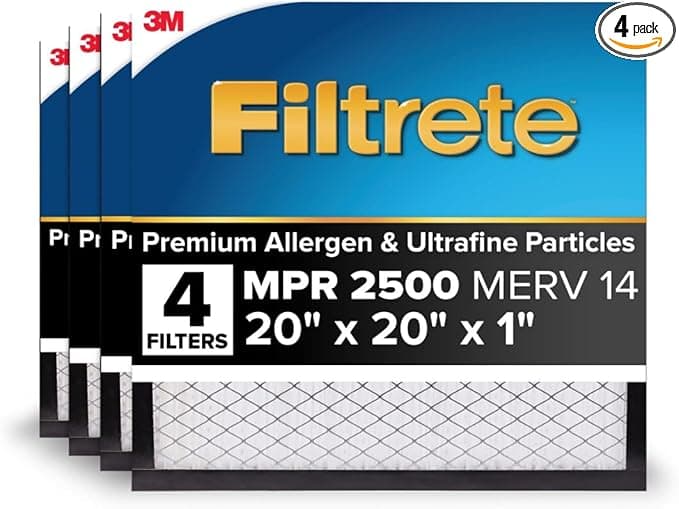
Last spring I had both boxes sitting on top of my dryer — the genuine Filtrete 1900-series MPR filter my HVAC guy always slips into his van, and a compatible MERV 14 multipack I'd talked myself into trying. Same 20x25x1 size, same pleated white face, and a $40 gap staring back at me. The brand-name single ran me about $32 at the big-box store. The compatible four-pack worked out to roughly $14 a filter. I stood there longer than I'd like to admit, flashlight in one hand, because a furnace is not a thing you want to cheap out on and then regret in January.
I bought the cheap stack. Here's what four changes taught me.
The math that pushed me over
A MERV 14 filter is dense — it's catching the fine stuff, the sub-micron particles, the smoke and the cooking grease haze. That density is exactly why you can't run it forever. My system wants a fresh one about every 90 days, and honestly with two shedding dogs I'm closer to 60. Call it four to five swaps a year.
At $32 a pop, the OEM route is roughly $128–$160 a year just on furnace filters. The compatible multipack drops that to about $56–$70. That's an $80-ish annual difference for, near as I can tell after running both, the same job. Over the life of the system that's real money — a couple hundred bucks I'd rather keep.
Does it actually seat right?
This was my whole worry. A filter that's a half-inch off is worse than a dirty one, because air just sneaks around the gap and you're filtering nothing. So I paid attention.
The drill is simple and I'm not going to dress it up: kill the system at the thermostat first — you don't want the blower yanking at a loose filter while you've got the panel open. Slide the old one out, note which way the airflow arrow points (toward the blower motor, always), and push the new one in the same orientation. On mine the arrow points up toward the air handler.
The compatible filter went into the slot with a snug push. Cardboard frame, beveled edges, seated flush against the back lip. Now — full honesty — the frame is a hair less rigid than the name-brand. The OEM cardboard feels a touch beefier in the hand. When I first slid the compatible one in I gave it a wiggle to make sure it wasn't bowing, and it held its shape fine once it was home. But if you're rough with it during install, the corners can dent easier. Treat it gently going in and it sits exactly where it should.
How it actually performed
I run a cheap air quality meter in my hallway, nothing fancy, but it's consistent enough to compare against itself. With the compatible MERV 14 in, my particulate readings settled into the same low range I got from the brand-name filter within a day of running the system. Cooking smoke cleared at about the same pace. The big tell for me is the spring pollen stretch — my eyes are a decent sensor — and I didn't notice any backslide versus the OEM filter I'd run the year before.
Where it's a touch behind: the pleats on the compatible one aren't quite as tightly or evenly spaced as the genuine article. Hold them side by side to a window and you can see the OEM has a few more folds packed in, which on paper means a bit more surface area. In practice, across a 60–90 day run, I couldn't feel a difference in airflow or comfort. But I'll be straight — if you've got a high-static system that's fussy about airflow, the slightly less generous pleating is the one spec I'd weigh.
The real downside
The packaging is cheap and the first filter out of a fresh pack had a faint papery, slightly plastic smell for the first day or two of running. It faded completely and I never smelled it at the vents — it was only noticeable with my nose right up to the filter before install. Still, it's there, and if you're sensitive to that, let a new one air out on the shelf for a day before you load it.
The other thing: storage. A four-pack means you've got three filters sitting in a closet, and if they get leaned on or stored flat under something heavy, those slightly softer frames can warp. I stand mine upright against the wall now. Lesson learned on filter number three, which had a lazy corner I had to coax flat.
Why none of this is worth ignoring
A clogged MERV 14 doesn't just stop cleaning your air — it strangles your blower. The denser the filter, the faster a neglected one chokes airflow, and that's when your energy bill climbs and your furnace starts straining against a wall of dust. I've seen a buddy's system overheat and trip its limit switch off a filter he forgot about for eight months. The cheaper price here is actually a feature, because it removes every excuse not to swap on schedule. I change mine on time now precisely because it doesn't sting to.
So, which one do I grab?
If you've got a sensitive, high-static system, a medically critical reason to want every last pleat of surface area, or you just sleep better with the name on the box — buy the OEM. No shame in it, it's a good filter.
But for my house, my dogs, and my furnace? I've now bought the compatible MERV 14 three times. It seats right, it pulls the air clean, the only knocks against it are a softer frame and a day-one smell that vanishes. For around eighty bucks a year back in my pocket, doing the same work, I grab this one — and I'll grab it again when this pack runs out.