Troubleshooting & Analysis
I didn't believe a $20 filter could be fine either
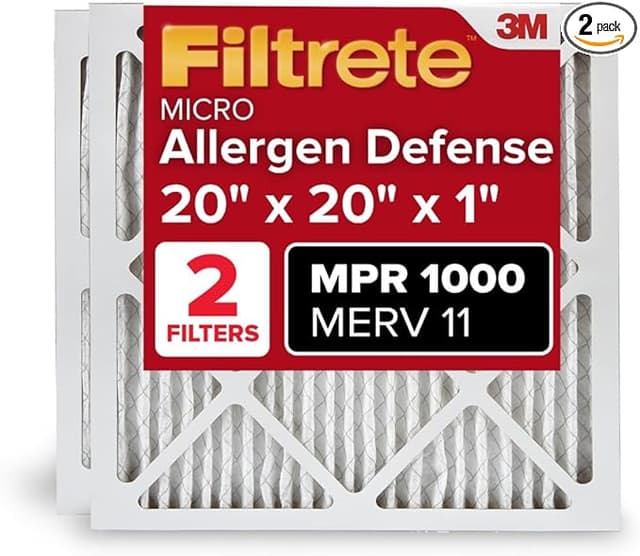
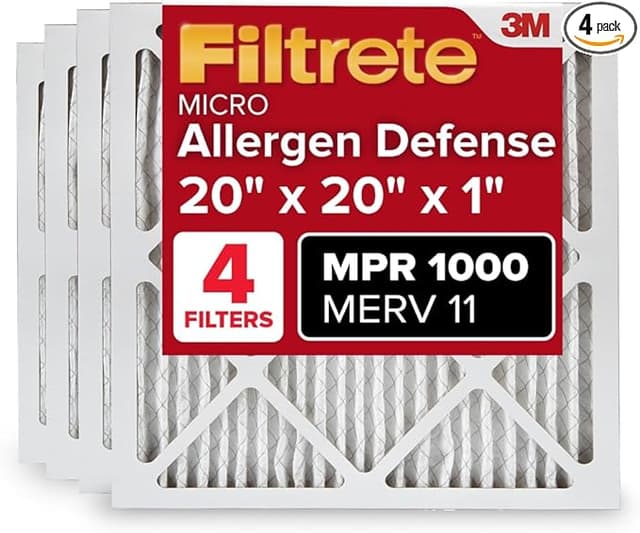
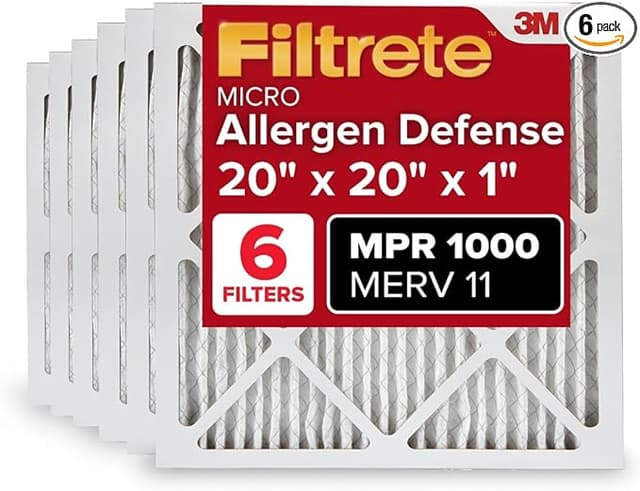
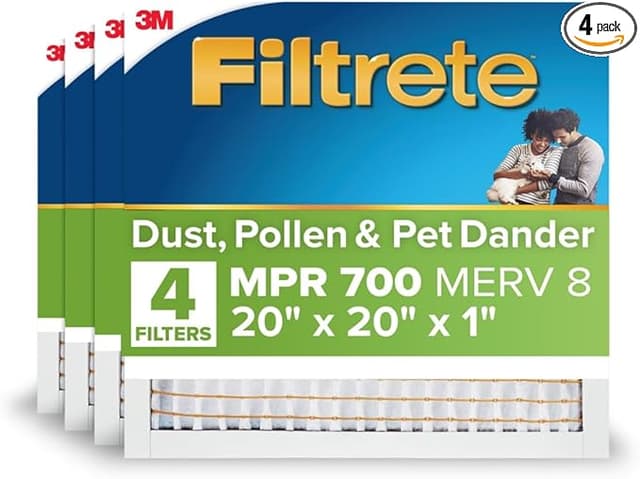
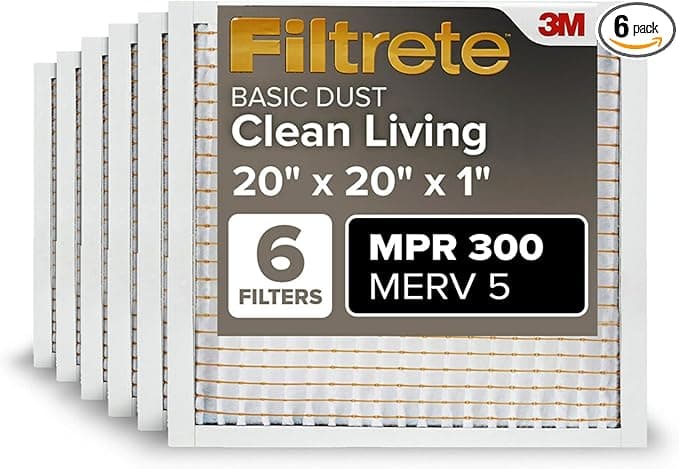
Here's the thing. For years I bought the name-brand 20x20x1 filters because some part of my brain decided the blue Filtrete box was the only thing standing between my furnace and an early grave. Three a year, sometimes four, at fifteen to twenty bucks a pop depending on the MERV rating and whether the hardware store was gouging that week. I never questioned it. Then my brother-in-law — guy who reuses Ziploc bags — handed me a compatible 20x20x1 he'd bought in a six-pack for a little over three dollars each and said "tell me your house falls apart." So I tried it. Mostly to prove him wrong.
He wasn't wrong.
The price gap is not subtle
Let me put real numbers on it, because that's what made me nervous in the first place. The branded 20x20x1 I'd been grabbing was running me about $17 each. The compatible one I switched to came in a six-pack for roughly $22 — call it $3.70 a filter. If you change a 1-inch filter every 60 to 90 days like you're supposed to, that's four a year. So $68 a year on the brand versus under $15 on the compatible. Over the four years I've owned this furnace, that's the difference between a couple hundred dollars and basically a single tank of gas. Same nominal 20x20x1 size, same job: catch the junk before it rides into your blower motor.
And no, "40 to 60% less" undersells it when you buy in bulk. I paid closer to a quarter of the brand price.
Does it actually fit?
This was my real fear. A furnace filter that's a hair too small leaves a gap, and air takes the lazy path around the filter instead of through it. I measured the old one and the new one against each other before I trusted anything — and the actual dimensions matched. (Quick reminder that 20x20x1 is the nominal size; the true cut is usually a touch under, like 19.75, on both the brand and the compatible. They were the same.)
Install is genuinely nothing. I shut the system off at the thermostat, pulled the slot cover by the return, slid the old filter out, and noted the airflow arrow before it went in the trash. New one slid into the same slot, arrow pointed toward the furnace, same orientation as the old one. Wiped the slot lip with a dry rag because there's always a little gray fuzz built up there. Cover back on, system back on. Two minutes, and most of that was me hunting for the arrow.
The compatible seated snug — no rattle, no flapping when the blower kicked on, which is the noise you get when the fit is loose.
Where it's as good, and where it's a step behind
Performance-wise, in the months I ran it, the air in the house was the same. Less visible dust on the shelves, the same faint nothing-smell when the heat first cycles on in October. I pulled it at the 75-day mark and it was loaded with the same gray-brown gunk the brand filter always caught. It did the job.
Now the honest part. The frame on the compatible is plainly cheaper cardboard — thinner, and it flexes more when you hold it by one edge. The brand frame is stiffer. In a 1-inch slot that's held flat anyway, I don't think it matters structurally, but if you're sloppy sliding it in you could dimple a corner. And the pleats: on the compatible I counted fewer pleats per filter than the brand's high-MERV version, which means a touch less surface area. If you're chasing the absolute top filtration tier — the MERV 12, allergy-household, "I can see the difference in my sinuses" level — the brand's premium pleat count genuinely has an edge there.
So that's the real downside, said plainly: you're getting a slightly flimsier frame and, depending on which compatible MERV you pick, a little less pleat density than the top-end branded one.
Why I don't skip changes anymore, brand or not
Whatever filter you run, the thing that actually wrecks equipment is leaving a clogged one in too long. A saturated 20x20x1 chokes airflow, and your blower motor pulls harder against that resistance, runs hotter, and the heat exchanger doesn't get the airflow it was designed around. I've seen a neighbor cook a blower motor doing exactly this — and a motor is a few hundred dollars plus a service call, against a $4 filter. The cheap consumable is the thing protecting the expensive box. Which, honestly, is the whole argument for buying the affordable compatible: when each filter costs three bucks instead of seventeen, you stop rationing them and you actually swap on schedule.
So who should buy what
If someone in your house has serious allergies or asthma and you've been running the top-tier MERV 12+ branded filter on a doctor's nudge — stay there. The extra pleat density is doing real work for you and it's not worth gambling on sinuses to save fifty bucks a year.
For everyone else — which is most of us, including me, just trying to keep dust down and the furnace breathing — the compatible 20x20x1 is the one I grab now. Flimsier frame and all. It fits the slot, it catches the gunk, and at a quarter of the price I change it on time instead of squinting at a gray filter deciding if it's got another month in it. I bought a six-pack. When it runs out, I'll buy another. That's about the highest praise I give a consumable part.