Troubleshooting & Analysis
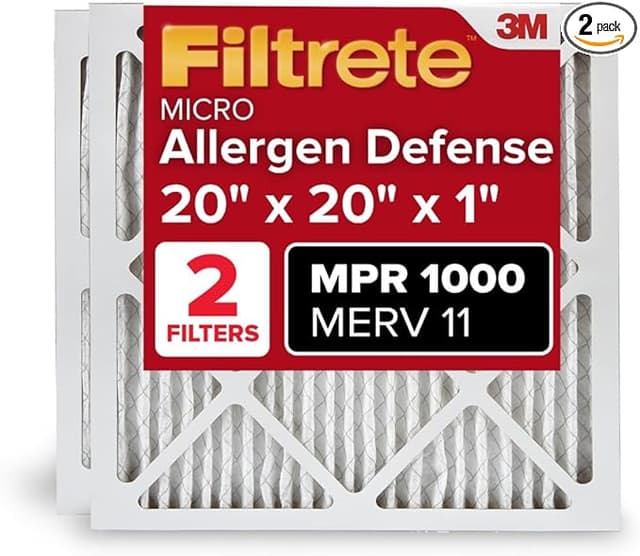
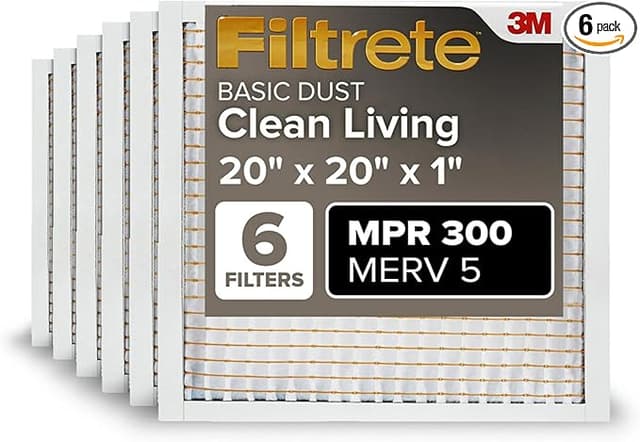
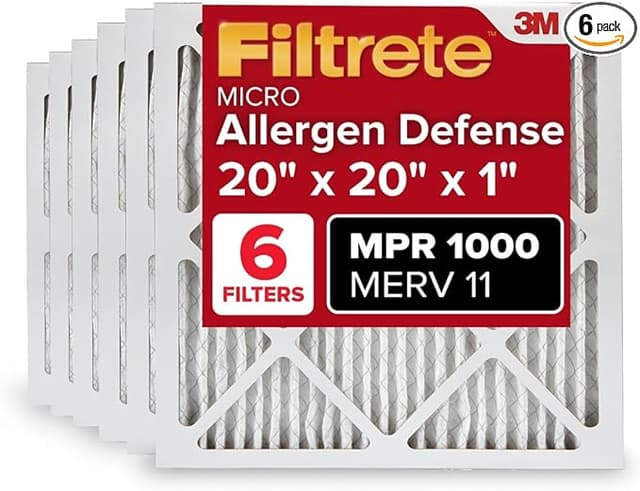
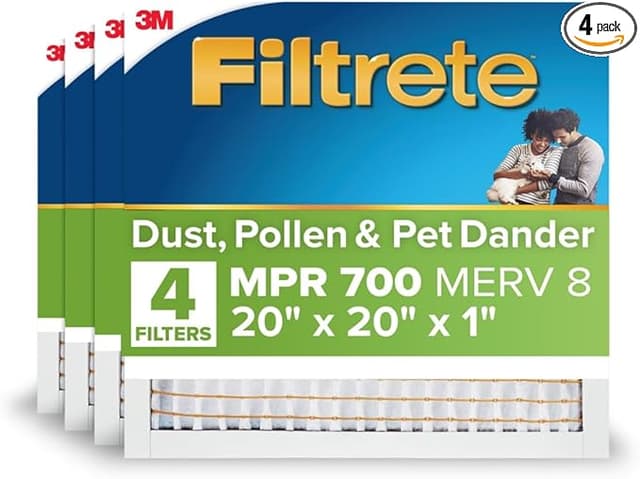
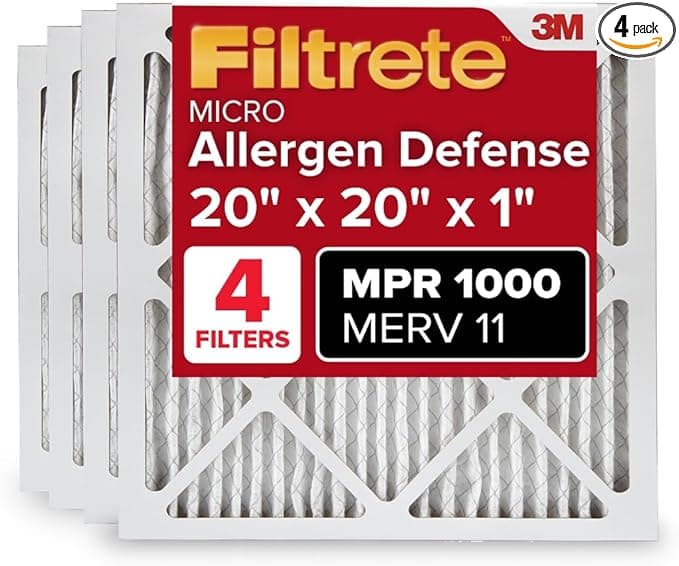
I was standing in the filter aisle holding two 20x20x1 pads, one in each hand, like I was weighing produce. Left hand: the Filtrete name I'd bought on autopilot for years, $24.99 for a single pleat. Right hand: a compatible 20x20x1 in the exact same MERV range, $11 a piece in a four-pack. Same dimensions printed on the cardboard frame — 20 by 20 by 1, the number my furnace cabinet has accepted since I moved in. And I just stood there thinking, what is the eleven dollars actually buying me?
So I bought the cheap four-pack to find out. Here's what nine months of swapping them taught me.
The math that pushed me over
My system wants a fresh 20x20x1 every 90 days. Call it four filters a year if you're disciplined, and honestly during pollen season I swap closer to every 60. At the Filtrete branded price that's a hundred dollars a year, give or take, on a slab of pleated paper I throw in the trash. The compatible ones land around $11 each buying a four-pack at once — so roughly $44 for the year instead of $100. That gap is the whole story. It's not a few cents. It's real money on a part that exists to get dirty and get tossed.
My gut said there had to be a catch. A filter's a filter until it isn't, right? I figured the cheap one would either not fit the slot or let air sneak around the sides. So that's the first thing I checked.
Does it actually fit the slot
It does. A 20x20x1 is a 20x20x1 — the compatible frame slid into my return-air cabinet the same way the Filtrete did, arrow stamped on the side pointing toward the blower, no shaving, no forcing. I'll be picky though, because that's the point: the cardboard frame on the compatible one is a touch flimsier. The Filtrete frame has a slightly stiffer beadboard edge. On the cheaper pad the corners felt a hair softer when I pressed them, and one out of the four had a frame corner that wanted to bow a little going in.
Did it matter? No. It seated flush, the access panel snapped shut over it the way it's supposed to, and when I ran my hand along the edge with the blower going I couldn't feel air slipping past the gasket line. But if you've got a filter slot that's even slightly oversized, that softer frame is the thing I'd watch — give the corners a press to make sure they sit square before you close the cover.
How it actually moves air
This is where I expected the compatible one to fall down, and it mostly didn't. Pulled the old Filtrete after 90 days and held it up to the garage light — gray, loaded, doing its job. Pulled the compatible after the same run in the same season and it looked nearly identical. Same gray loading across the pleats, same dust cake. My allergies didn't get worse. The house didn't get dustier on the shelves. The furnace didn't short-cycle or strain that I could hear.
The pleat count is where I'll give Filtrete its due. The branded pad has noticeably denser, deeper pleats — more surface area packed into that one-inch depth. The compatible one has slightly shallower, more spread-out pleats. In practice the air got cleaned, but I'd bet the OEM holds a little more dust before it chokes, which leads me to the one honest knock.
The real downside
It clogs a touch sooner. By around day 75 on the compatible filter I could see it was loading up faster than the Filtrete did at the same point — darker, fuller, closer to the end of its useful life before the 90-day mark. So I started swapping the compatibles a little early, more like every 75 days than 90. Add that up and the savings shrink slightly, because I'm burning through them a hair quicker.
And the packaging is nothing. Thin shrink wrap, a plain printed frame, one of the four arrived with a dented corner that I had to gently bend back into shape before it'd slide in. Cosmetic, filtered fine, but it's the kind of thing that makes you raise an eyebrow for a second. There's also a very faint paper-and-glue smell out of the wrapper that's gone by the time the blower's run a cycle or two. Nothing lingers in the house.
Why I don't let it ride past due
Here's the part that actually matters more than the price. A choked 20x20x1 is the thing that quietly costs you. When that pleat cake gets thick enough, your furnace's blower has to drag air through a clogged wall, and that strain doesn't stay in the filter — it leans on the blower motor and the heat exchanger, parts that cost real money to fix. An eleven-dollar pad protecting a system you'd pay hundreds to repair is not where you want to be cheap, but it's also not where you want to feel guilty about cost and stretch a dead filter to month four. That guilt is the actual danger. Cutting the price in half is what keeps me swapping on time.
Who should buy which
If you've got a big system that moves a lot of air, or anyone in the house has serious respiratory issues and you want the densest pleat and the longest honest 90-day stretch, buy the Filtrete. The deeper pleat pack is a genuine edge and the frame is sturdier.
For a normal house with normal dust? I've run the compatible 20x20x1 for nine months, swapped maybe six of them, and it fits the slot, loads up gray like it's supposed to, and costs less than half. I just change it a touch sooner and shrug off the cheap cardboard. I'd buy the four-pack again — I already did. The eleven-dollar one is fine. The bigger win is that at that price I never once talked myself into leaving a dirty one in.