Troubleshooting & Analysis
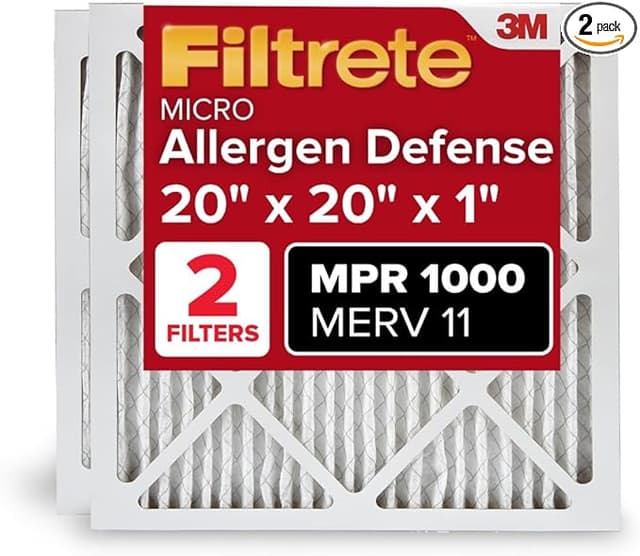
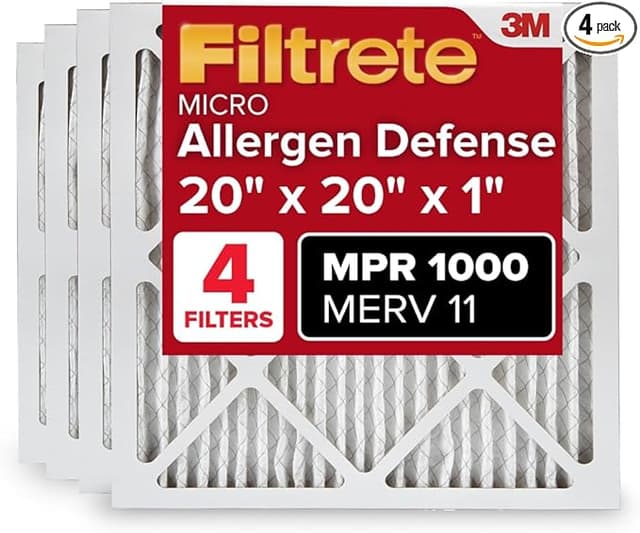
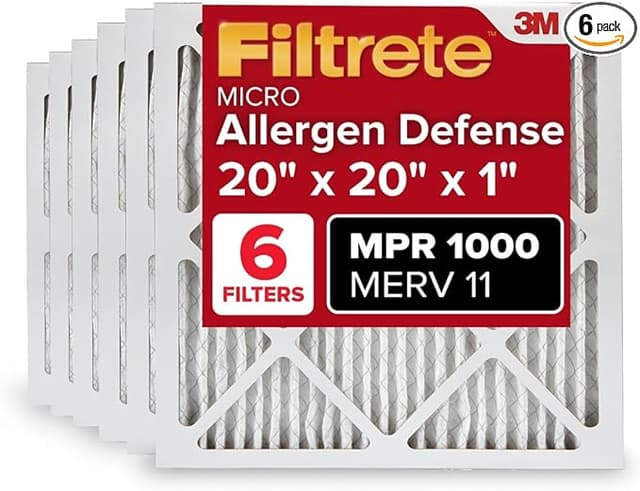
Home Depot, aisle 12, last March. I'm holding a single 20x20x1 Filtrete in one hand — the red box, MERV around 11 — and on the lower shelf there's a six-pack of an off-brand pleated filter in the same size for not much more than that one Filtrete cost. The name-brand single ran me about $24. The multipack worked out to roughly $7 a filter. I stood there longer than I'd admit, doing the math on my phone, because my furnace is a 12-year-old gas unit and I'd already had one blower motor scare. Cheap filter, expensive repair — that's the fear, right?
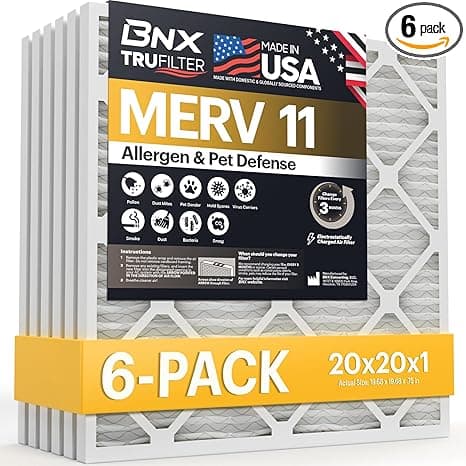
I bought the multipack. I've now run those compatible 20x20x1 pleated filters through a full year — a hot Texas summer of constant AC and a winter of nightly heat — and here's the honest report.
The price gap is not subtle
Let me put real numbers on it, because this is the whole reason you're reading. A single brand-name 20x20x1 at the big-box store hovers around $22–$26 depending on the MERV rating and whether there's a sale. The compatible multipacks land around $6–$9 per filter when you buy four or six at a time. I change mine every 60 days — my house has a dog and sits near a gravel road, so I don't push the "90 day" claim on the package. That's six filters a year.
Six name-brand filters: call it $140 a year. Six compatibles: closer to $45. That's nearly a hundred bucks back in my pocket annually for a part that, functionally, is doing the same job — trapping dust, dander, and pollen before it hits my coil and my lungs. Across the life of this furnace that's real money, not a rounding error.
Fit and install — does it actually seat?
This is where I expected the cheap one to bite me. It didn't, mostly. A 20x20x1 is a 20x20x1; the actual filters measure a hair under (usually 19.75 x 19.75), same as the brand-name ones, so they drop into the slot without forcing. I kill the system at the thermostat first — you don't want the blower yanking on a filter while you're sliding it — pull the old one, and slide the new one in with the airflow arrows pointing toward the furnace and blower. Both of mine had the arrows printed clearly on the cardboard frame.
Here's my one real fit gripe, and I promised you a real one: the cardboard frame on the compatibles is a touch flimsier than the brand-name red box. On two of the six, the corner of the frame had a slight bow from being packed tight in the bag. It still sealed fine in the slot — a 1-inch return doesn't demand much — but if you've got a filter rack with a tight grille door, you'll want to press the frame square before it goes in. Took me an extra ten seconds. Not a dealbreaker, but I noticed it, and you should know.
How it actually performs
I'm not running a lab. What I can tell you is what I see and feel. The pleats on these compatibles are genuinely dense — comparable pleat count to the mid-tier brand-name filter I used to buy. After 60 days they come out gray-brown and loaded, which is exactly what you want to see; it means the thing was catching stuff instead of letting it sail through. My allergy mornings didn't get worse after I switched. The dust film on the furniture is about the same as it ever was.
Where's it a touch behind? Airflow restriction at the high-MERV end. If you buy the densest compatible (MERV 12–13 equivalent) and your system is older or has a weak blower, you can feel the air come out of the vents a little softer than a basic fiberglass filter. That's true of the name brand too at that rating — denser media means more resistance — but I'd steer most people toward a MERV 8–11 compatible for a typical home HVAC system and save the super-dense ones for households with serious allergy or smoke concerns. A clogged high-MERV filter is harder on your blower than a clogged loose one.
Why the dead-filter thing isn't fearmongering
Quick reality check, because it's the actual reason any of this matters. When a 1-inch filter loads up and you forget it — I've done it, left one in for four months once — airflow chokes down. Your furnace works harder to pull air through a clogged mat, the heat exchanger can run hotter than it should, and on the AC side a starved coil can frost over. Best case your energy bill creeps up. Worse case you're calling an HVAC tech. The cheap filter doesn't cause that; forgetting to change it does. And honestly, the lower price is what finally got me to swap on schedule, because I stopped feeling like I was throwing away a $24 part that "still looked okay."
So who should skip it?
If you've got a high-end variable-speed system the installer specifically spec'd a particular filter for, or someone in the house has a real respiratory condition where you want a verified, tested MERV rating with documentation — buy the brand name and don't think twice. The paperwork and consistency are worth it there.
For the rest of us — a normal furnace, a normal house, a 20x20x1 slot that just needs clean pleated media swapped every couple months — I grab the compatible multipack. I have for a year now. The frame's a little cheaper, the densest ones cut airflow a bit, but it traps dust like it's supposed to and it saves me close to a hundred dollars a year doing it. I'd buy them again. I already reordered, actually — the next six-pack is sitting in my garage.