Troubleshooting & Analysis
Forty-eight dollars. For a piece of pleated cardboard.
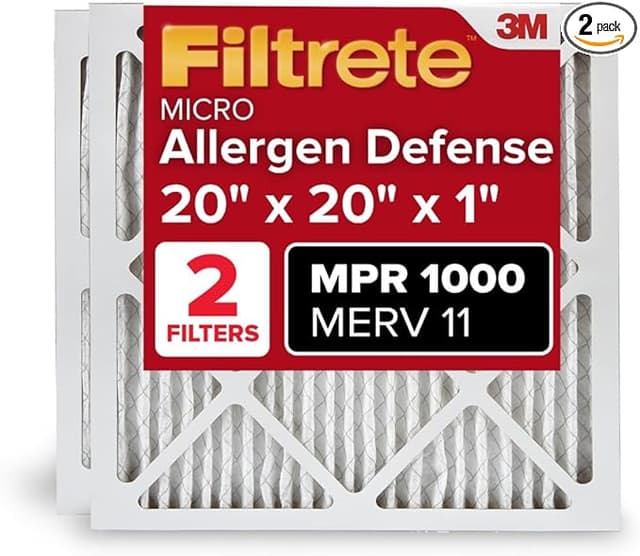
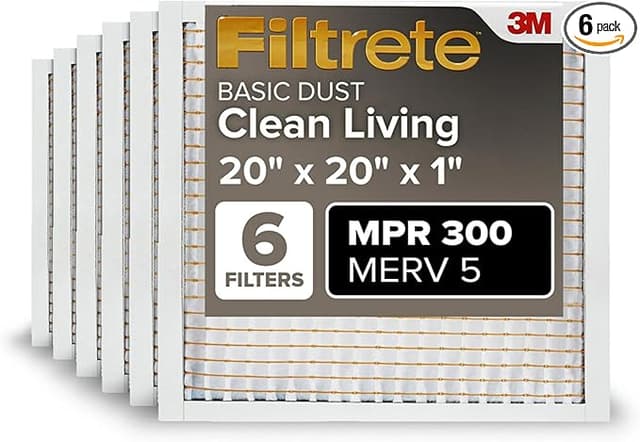
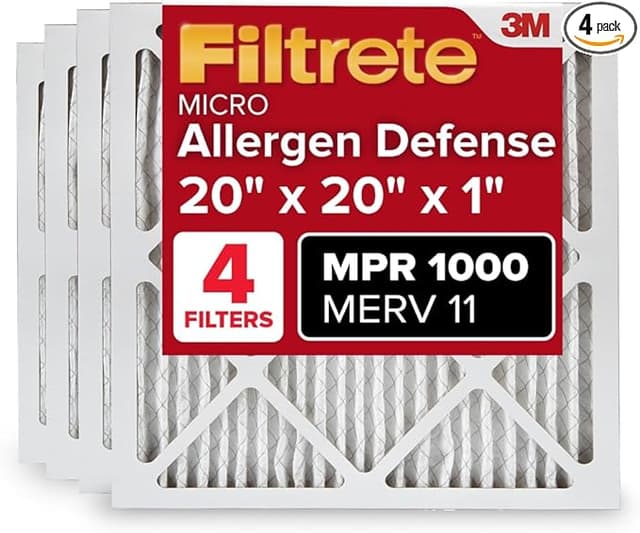
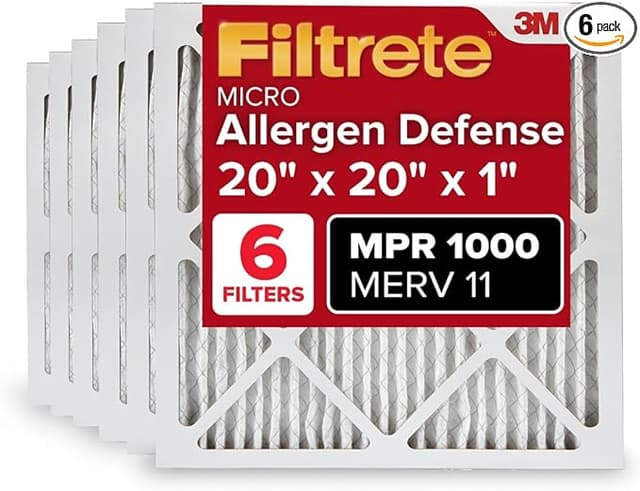
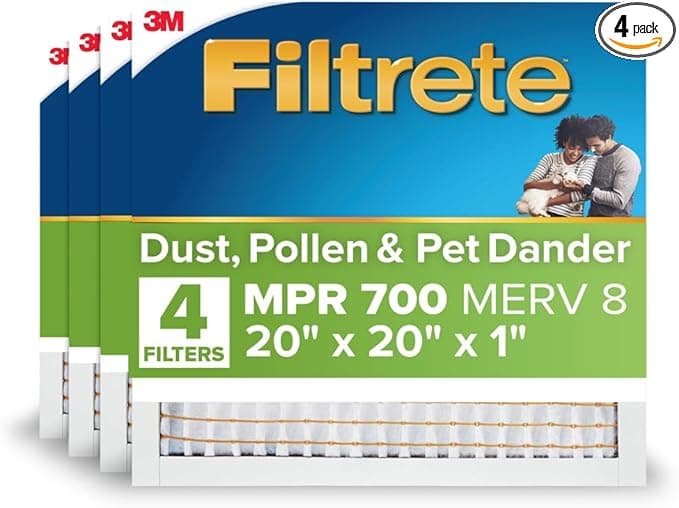
That was the number that broke me. I was standing in the hardware store aisle holding a single brand-name 20x20x1 furnace filter, the kind my system eats every three months, and the shelf tag said $48. Times four a year. That's almost two hundred bucks annually to trap dust in a box that costs pennies to make. I put it back. Went home, ordered a multipack of compatible 20x20x1 filters instead, and figured if they were junk I'd only be out a fraction of that.
That was a while ago now. I've run them through a full year — a dusty Phoenix summer with the AC hammering, and a winter with the furnace cycling all night. Here's the honest rundown, including the stuff the seller won't tell you.
The math that actually matters
A name-brand 20x20x1 runs you anywhere from $14 to $18 each if you buy them one at a time, and the "premium" MERV-rated ones push past $20. The compatible multipack I switched to landed closer to $5 a filter once you split the box. Same standard 20x20x1 dimensions, same MERV-rated pleated media doing the same job.
Run the year: if you swap every three months like you're supposed to (and most people don't, which is its own problem), that's four filters. OEM-ish pricing: $60 to $80 a year, easy. The compatibles: about $20. Over the five-or-six years you'll own the furnace, that gap is real money — a few hundred dollars that does absolutely nothing for your air quality. You're paying for the logo and the retail markup, not better filtration.
Does it actually fit?
This is where people get nervous, and fair enough — a filter that doesn't seat right is worse than no filter, because air just sneaks around the gap and your blower sucks dust straight into the system. So I paid attention.
The install is genuinely a two-minute job, and the compatibles didn't change that. I kill the system at the thermostat first — don't skip this, you don't want the blower yanking on a loose filter while you're sliding it in. Pull the old one out of the slot. Then the new one goes in with the printed arrows pointing toward the furnace, toward the blower motor, the direction the air travels. The arrow thing trips people up; it's printed right on the cardboard edge, so just match it to the airflow.
The fit? Snug. Honestly snugger than I expected from a budget filter. The cardboard frame slid into my standard 20x20x1 slot with that same little resistance the brand-name ones have. No flopping around, no gap at the edges. I checked. One thing I'll flag — the frame cardboard is a touch lighter-weight than the premium OEM frame. It's not flimsy, but if you're rough with it you could dimple a corner. Handle it like a filter, not a frisbee, and you're fine.
How it performs — and where it's a hair behind
For trapping the stuff a 20x20x1 is supposed to trap — dust, lint, pet hair, the gray fuzz that builds up on the pleats — these did the job. When I pulled one at the three-month mark it was loaded with exactly the kind of gray-brown gunk that means it was working: that dust went into the filter instead of caking up my coil and ductwork. Airflow at the vents felt the same as with the name brand. The house didn't get dustier.
Where's the gap? If I'm being straight with you, the very top-tier brand-name filters — the ones rated for fine allergens and smoke — pull slightly finer particles than a basic compatible. If someone in your house has serious asthma or you're filtering wildfire smoke, a higher-MERV filter earns its keep and I'd tell you to spend up. But for a normal home keeping dust down and the system clean? I genuinely couldn't tell the difference in daily life.
The downsides, for real
Two things. First, the packaging is cheap — mine showed up in a plain box and one filter had a slightly squished corner from shipping. It still sat fine in the slot, but it doesn't feel premium. Second, the print quality on the frame is a little rough; the airflow arrows are clear enough but it's not a glossy, polished product. Cosmetic stuff. Doesn't touch how it works. But you'll notice it, so I'd rather you hear it from me than feel cheated when the box arrives.
Why a dead filter is the thing to actually worry about
Here's the part nobody talks about when they're agonizing over which brand to buy: the brand barely matters compared to whether you actually change the thing on time. A clogged 20x20x1 — any brand — is a real problem. When the media saturates, airflow chokes. Your blower works harder, your energy bills climb, and in the worst case a starved furnace overheats and trips its limit switch, or worse. I've seen people run one filter for a year to "save money" and then wonder why their heating bill ballooned and the system started short-cycling.
Which is the quiet argument for the cheap multipack. When filters cost five bucks instead of twenty, you actually swap them every three months without wincing. The compatible filter doesn't just save you money on the filter — it removes the excuse to leave a dead one in there. A fresh budget filter beats a clogged premium one every single day.
So — OEM or compatible?
Buy the name brand if you've got a serious allergy or smoke situation that needs certified high-MERV media, or if a dimpled corner on arrival genuinely bothers you. No shame in that.
For everybody else with a normal 20x20x1 system who just wants clean air, a protected furnace, and a bill that isn't bleeding from filter markup? I've run the compatibles for a year, swapped them on schedule, and my system runs exactly like it did on the $48 filters. For a quarter of the price, doing the same job, I keep a stack of these in the closet — and I'll buy them again when it runs out. I already have.